The Guild revival: Highest-funded film and millennial nostalgia
There is something wonderfully nostalgic about the digital spaces we inhabit. For many of us, growing up in the era of Massive Multiplayer Online (MMO) games meant diving into worlds that were simultaneously epic and oddly dysfunctional. That feeling—the shared, often chaotic experience of online gaming—is a core part of modern pop culture, and recently, a project born from that very digital playground achieved a truly astonishing feat.
A project centered around the history of online gaming, originally birthed as a YouTube series called The Guild, has recently achieved legendary status by becoming one of the most successfully crowdfunded movies in history. This success story is a testament to the power of community and the enduring appeal of shared digital narratives.
The journey of the project began in a different time. While today’s online gaming landscape is vast and hyper-connected, the early days of MMOs were often more mysterious and less accessible to the general public. The original web series reflected a community that was tighter and more localized, offering a unique look at the lives of players navigating these massive virtual worlds.
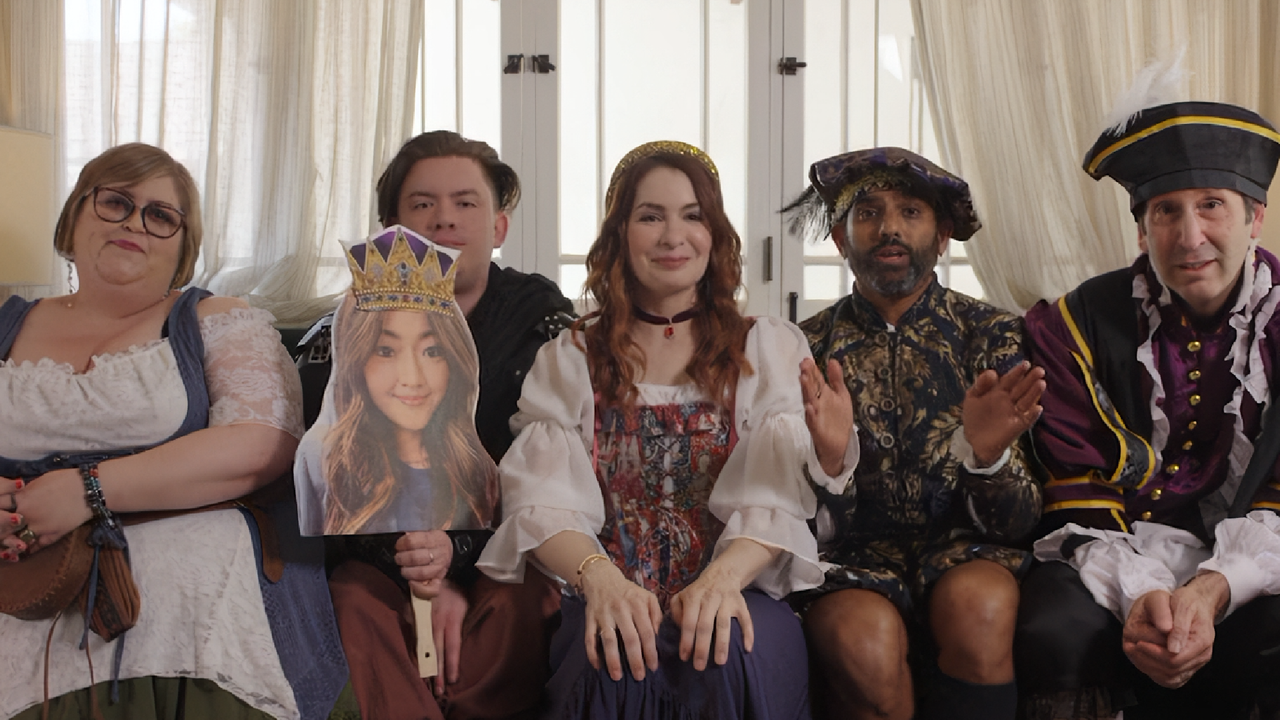
This historical foundation was later expanded into a cinematic venture, The Guild: Ren Faire’d. Fueled by the energy of crowdfunding on platforms like Kickstarter, the project successfully translated the unique spirit of the original series into a film, raising over $6.8 million.
The financial achievement puts this project in the league of major cinematic endeavors. While some awards may point to larger, more heavily invested productions, the crowdfunding success highlights the remarkable dedication of the community to bring this vision to life. It reminds us that the most powerful stories are often created not just by studios, but by passionate fan bases.
The impact of this media adaptation is further emphasized when comparing it to other successful, fan-driven animated series in the gaming sphere. It competes for attention with massive productions, showcasing how niche communities can mobilize significant financial and creative resources to achieve their goals.
The success of this venture is tied to the individuals who championed it. The creators used their platform to foster a community around shared interests, proving that even stories rooted in complex digital environments can resonate profoundly with a global audience. Their achievement underscores the remarkable creativity that thrives when digital communities come together.
As this story unfolds, it offers a compelling look at how a digital childhood evolves into a cinematic legacy, demonstrating that the bonds forged in the virtual worlds of gaming continue to shape the stories we tell in the real world.
Buy on Amazon
Credit