
The shocking ages of classic FPS protagonists
The Age of Heroes: Unpacking the Fictional Timelines of ’90s FPS Legends
When we first dove into the world of gaming, experiences like Half-Life were intense. For a child grappling with everyday anxieties, an interactive disaster movie filled with strange aliens and sudden bursts of violence could certainly be frightening. But as years pass, the fear fades, leaving behind a more nuanced perspective—especially when you start comparing ancient game lore to modern horror and real-life stressors like tax returns.
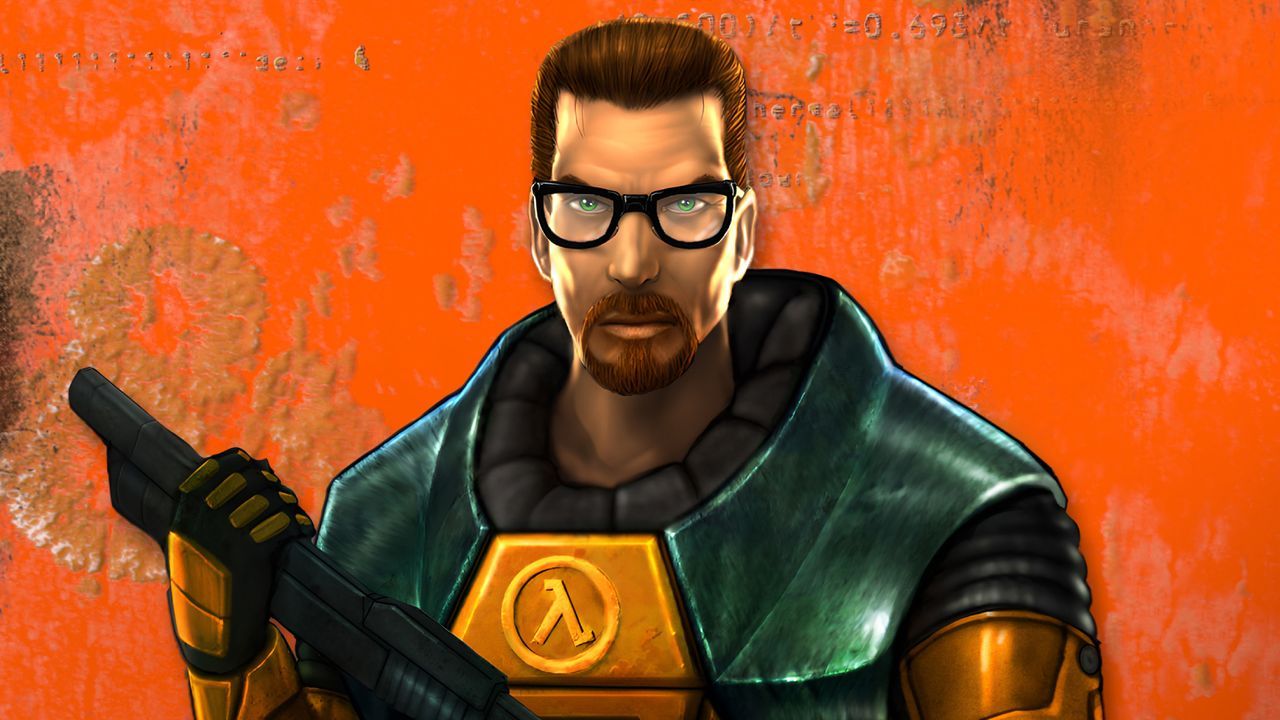
Yet, even amidst cinematic explosions, there exists a peculiar thread that still causes a slight pause: the seemingly impossible details woven into fictional narratives. One persistent detail I’ve always found striking is the introductory sequence of Half-Life. Midway through a simple tram ride, a caption appeared, detailing the protagonist’s identity and age: SUBJECT: Gordon Freeman. Male, Age 27.
The number 27 immediately raised an eyebrow. Surely Gordon Freeman looked like a man in his mid-thirties? This small discrepancy hints at a larger curiosity: how much do we trust the timelines and character details established in video game lore?
This led to an enjoyable investigation into other ’90s FPS protagonists, determined to peel back the layers of fictional history and examine the ages assigned to these legendary figures. The results often provided fascinating, if slightly absurd, insights into how game designers weave their worlds.
The Blazkowicz Paradox
Starting with William Joseph Blazkowicz, the hero of Wolfenstein 3-D, we find a surprisingly old lineage. Canonically, Blazkowicz was born in 1911. When he faced MechaHitler in the events of the game, he was roughly 32 or 33 years old.
Adding another layer of fun trivia, the lore suggests that B.J. Blazkowicz is not just a badass soldier, but an ancestor to other gaming icons, including DoomGuy and Commander Keen—a neat piece of fictional genealogy.
Navigating Star Wars Timelines
For those steeped in the galaxy of Star Wars, we examine characters like Kyle Katarn. As a figure tied to the Star Wars universe, finding his age is straightforward. Born in 23 BBY, and starting the events of Star Wars: Dark Forces in 1996, Katarn was about 23 years old at the outset of his adventure. This simple timeline illustrates how established universes dictate character history.
Similarly, characters like Cate Archer from The Operative: No One Lives Forever were born in 1942, making her 25 during the events of the game. Her background, including being Scottish and born in Glasgow, adds rich detail to her story.
Uncertain Ages and Shifting Realities
The concept of age becomes even more fluid when we look at characters with less defined lore. The nameless protagonist of Unreal, known as Prisoner 426, is designed to be ageless, allowing the player complete freedom in defining their age. This choice reflects a design philosophy where character history serves the gameplay experience rather than strict chronology.
Then there are figures whose timelines remain elusive. The protagonist of Doom, known as DoomGuy, lacks a specific age from id Software. While most assume him to be in his mid-thirties, the creators themselves admitted they never officially pinned down the character’s age.
Even when attempting to nail down the specifics, history bends. For Ranger, the protagonist of Quake and its sequels, the age is tied to real-world events. While the game timeline doesn’t specify his exact service dates, contextual clues suggest a period in his mid-to-late twenties during the events of Quake.
Finally, Duke Nukem 3D remains a charming anomaly. Developer Scott Miller once admitted that when creating the character, he decided to keep both the game’s timeline and Duke’s age secret, wanting to avoid real-world historical entanglements. This intentional ambiguity leaves Duke in a comfortable state of forever being a man in his prime.
Ultimately, these investigations into fictional ages reveal something deeper about gaming: the power lies not just in the graphics or the action, but in the shared, evolving narratives we create. Whether tracing the lineage of Blazkowicz or deciphering the age of Ranger, it’s a testament to how effectively we can explore and redefine time within the digital landscape.
Buy on Amazon
Credit