The underloved feature of gaming monitors you need to know
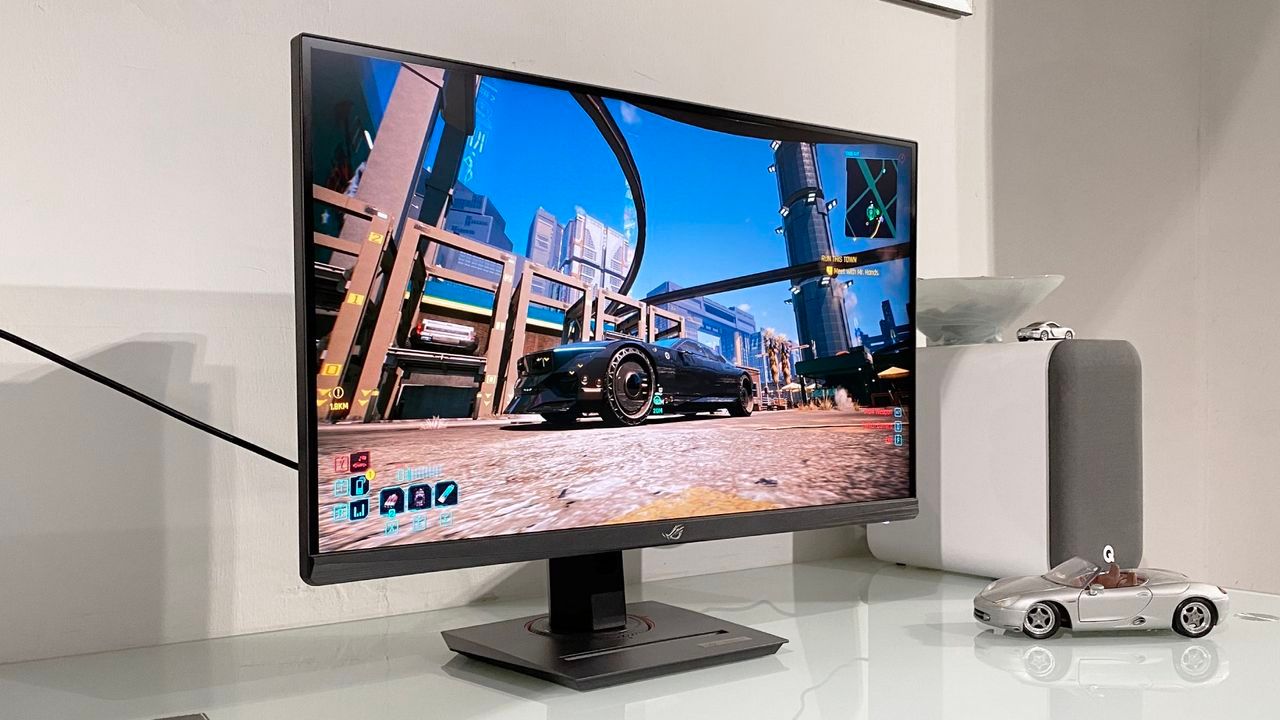
While the world of PC hardware often feels like an endless chase for the next memory or storage breakthrough, there are certain components that manage to maintain their value and deliver genuine excitement. Gaming monitors, for instance, have carved out a niche where the price-to-quality ratio is undeniably fascinating, especially with technologies like QD-OLED screens hitting around $300.
This market shift naturally leads to examining new display innovations. One of the most compelling developments right now is the rise of dual-mode monitors—a technology designed to reconcile the demands of both professional productivity and high-octane gaming. The core idea is simple: offering the flexibility to switch between a high-resolution desktop experience and a high-refresh-rate competitive gaming environment seamlessly.
When you want stunning visuals for your desktop and demanding performance for competitive gameplay, dual-mode allows you to achieve both. You can enjoy the crispness of 4K when diving into single-player adventures, and instantly drop down to 1080p with a much higher refresh rate for lightning-fast action. This approach offers a genuinely smart compromise, providing incredible versatility at a reasonable price point, as seen in some budget-friendly options.
However, this convenience isn’t without its snags. The transition between modes can sometimes feel slow and clunky. The physical buttons used to switch between resolutions add unnecessary friction, making the transition feel less instantaneous than it should. Furthermore, when dropping to 1080p, some users notice an added blur, which can detract from the image quality compared to native 1080p displays.
The technical challenges in dual-mode design highlight where the industry can innovate. While many current solutions rely on interpolation algorithms to smooth out the transition, the future lies in smarter pixel handling. Some cutting-edge monitors are exploring methods like pixel doubling, where pixels are effectively doubled in both directions, pushing the boundaries toward a more native-feeling resolution experience.
This pursuit of perfection extends beyond just image quality. There is immense potential to make the mode-switching process instantaneous and effortless—imagine a single button that shifts you between 4K and 1080p in an instant, with zero visual artifacting.
Looking ahead, the convergence of display technology promises incredible improvements. Just as OLED technology has successfully mitigated long-standing issues like burn-in and text fringing, dual-mode monitors can evolve. When coupled with improved interpolation and scaling techniques, the dual-mode market has the potential to deliver the perfect balance: a high-resolution desktop experience, competitive gaming performance, and stunning visual fidelity all rolled into one seamless package.
Buy on Amazon
Credit