ThinkCentre X Ultra packs Gorgon Halo with Ryzen AI workstation
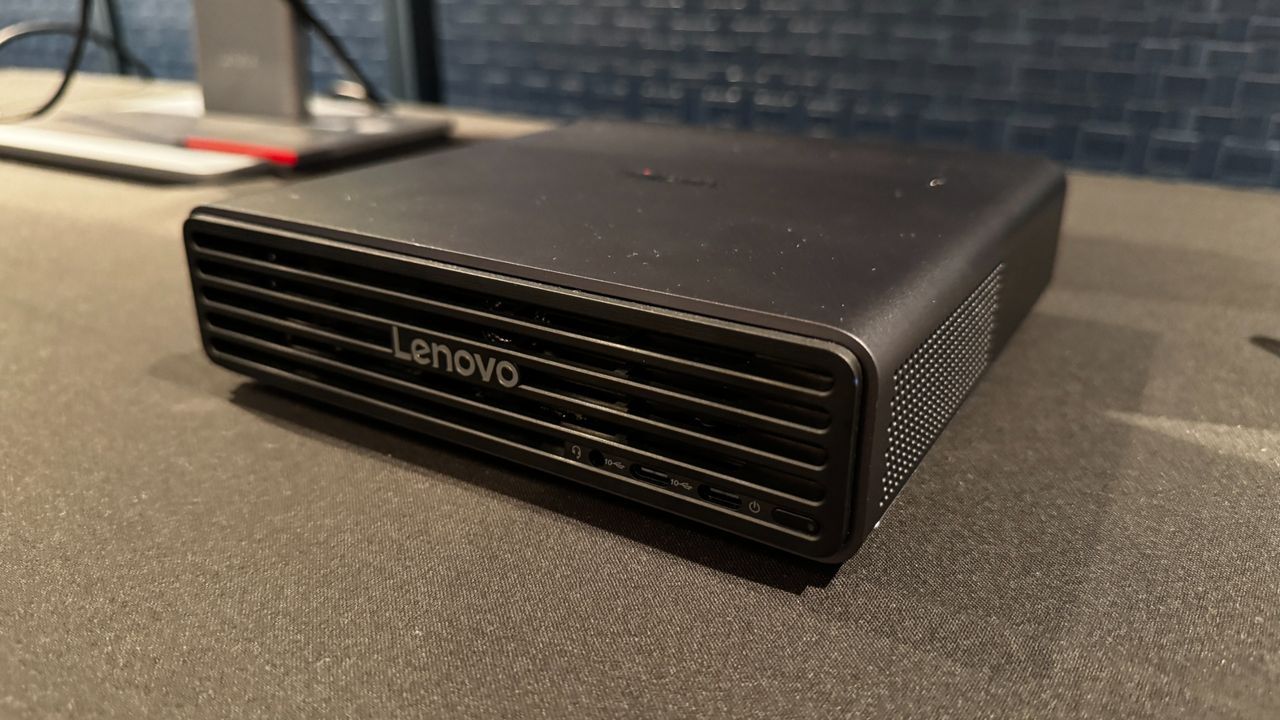
The future of compact computing just got a major AI upgrade. At IFA, a new level of power is being unveiled, centered around AMD’s ambition to dominate the rapidly evolving market for AI-focused mini-PCs. Lenovo has put forward the ThinkCentre X Ultra, a system that promises to redefine what’s possible in a small footprint, ready to be released in November 2026.
At the heart of this powerful machine is the AMD Ryzen AI Max+ Pro 495 processor, built on the Zen-5 architecture and leveraging RDNA 3.5 graphics. This isn’t just a CPU; it’s a true AI powerhouse, featuring a dedicated Neural Processing Unit (NPU) capable of up to 55 TOPS, giving developers and enterprises unprecedented horsepower for complex machine learning tasks.
Beyond raw processing, the system is packed with massive memory capacity, supporting up to 128GB of LPDDR5x-8533 RAM, all soldered directly onto the board. This expansive memory, combined with support for storage solutions like two 4TB M.2 2280 Gen5 SSDs, ensures that the ThinkCentre X Ultra is built for handling the largest, most demanding data sets in the AI landscape.
The design philosophy remains firmly rooted in efficiency. Measuring a neat 7.2 x 7.2 x 2 inches, the system manages to deliver immense performance in a surprisingly small package. Yet, this compact design doesn’t sacrifice connectivity. The machine features a robust array of ports, including Thunderbolt 4, DisplayPort 2.1, HDMI 2.1, and multiple USB-C ports, ensuring seamless integration into any modern workspace.
For developers and IT professionals, the system offers flexibility with both Linux and Windows operating system options. Lenovo enhances this potential by including the AMD Ryzen AI Developer Center, a suite that comes preconfigured with essential AI models, tools, and example workflows. Furthermore, the architecture is designed for scale; users can cluster up to four ThinkCentre X Ultras to run larger models, manage multiple agents, and handle extended context windows.
As this exciting technology heads toward the market, the competition is heating up. Lenovo and AMD are entering a fiercely contested space, setting the stage for a dynamic environment where high-performance, AI-ready mini-PCs will be the standard. Meanwhile, competitors like Nvidia are also pushing their boundaries with systems based on RTX Spark, indicating that the race for the next generation of powerful, compact computing is officially on.
Credit