Throw projects at your 3D printer in VR
The line between imagination and execution is getting wonderfully blurry, thanks to the accelerating power of artificial intelligence. Forget sitting at a desk; the new frontier of creation is happening where virtual reality meets 3D printing, and the tools driving this revolution are powered by the latest AI models.
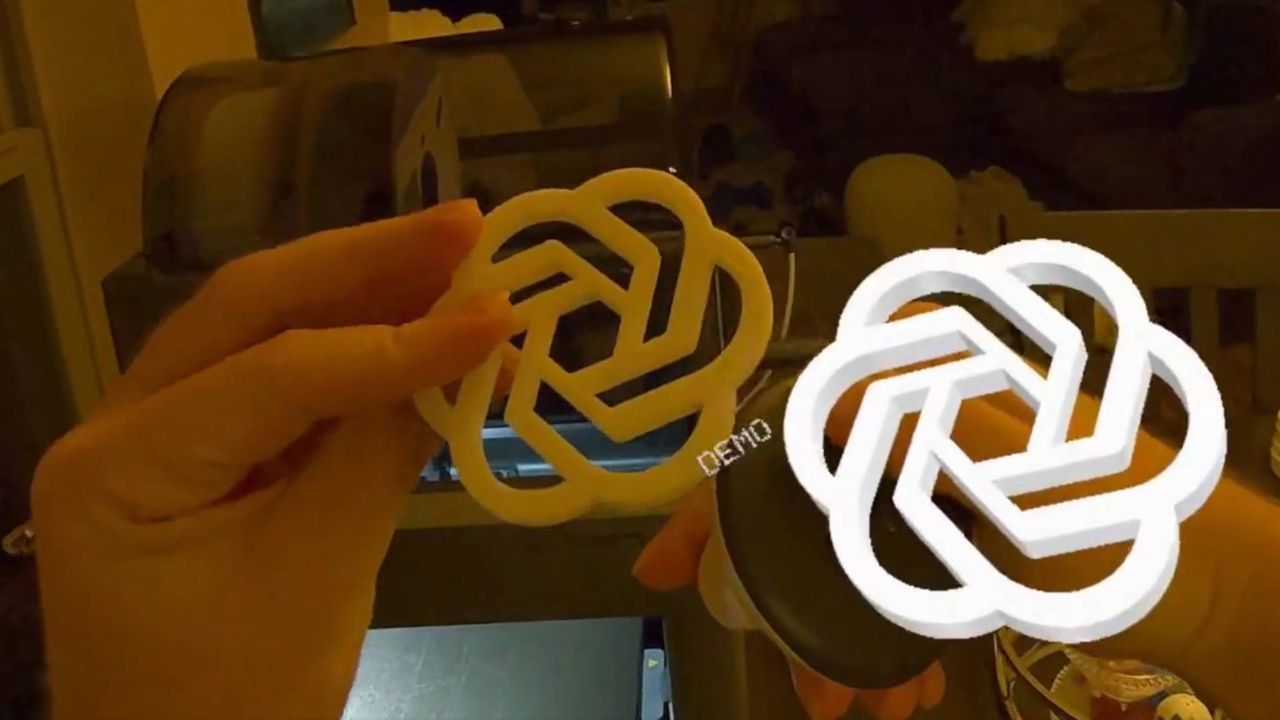
One developer recently demonstrated this collision of digital and physical worlds in a truly dazzling display. In a move that sparked a lot of digital enthusiasm, the experiment involved taking a virtual model, flying it from a virtual reality headset, and having it land directly into a physical 3D printer. The result? A feeling akin to playing Tony Stark—the ability to instantly manifest a complex idea.
This vision wasn’t just theoretical. The process involved weaving together several advanced technologies. A developer utilized a 3D software to design a model, then used an AI system to bridge the gap between the digital design and the physical machinery. By leveraging the capabilities of large language models, the system was able to manage complex tasks, effectively acting as a digital orchestrator for the hardware.
For example, in one instance, the developer spun up a quick webserver on their PC and used an AI model to facilitate communication between their Meta Quest 3 VR headset, the mobile app, and their 3D printer. This demonstrated how AI can streamline the incredibly complex process of interacting with diverse physical and digital tools simultaneously.
Beyond physical fabrication, the AI revolution is reshaping how we approach classic gaming. A growing community is tackling the massive task of decompiling retro games, allowing players to bring beloved titles like Super Smash Bros Melee and Luigi’s Mansion onto modern platforms. This retro game decompilation scene has become the new AI coding battleground, fueled by the influx of ‘AI rush jobs.’
The AI’s role extends beyond simple code generation; it is proving to be a powerful aid in navigating the intensive demands of technical work. For tasks like decompiling old game code, the AI can help install emulators and modify ROMs, dramatically speeding up what used to be a lengthy and resource-intensive process. While the deep dive into code requires considerable effort, the acceleration provided by AI fundamentally changes the landscape for independent creators.
Ultimately, whether the focus is on building physical objects or resurrecting digital classics, the story is one of accelerated possibility. The current trend suggests that the greatest innovations will come from the convergence of AI, immersive technology, and hands-on creation, turning abstract concepts into tangible, playable realities.
Buy on Amazon
Credit