Ticking time bomb gallium stops GPU sagging
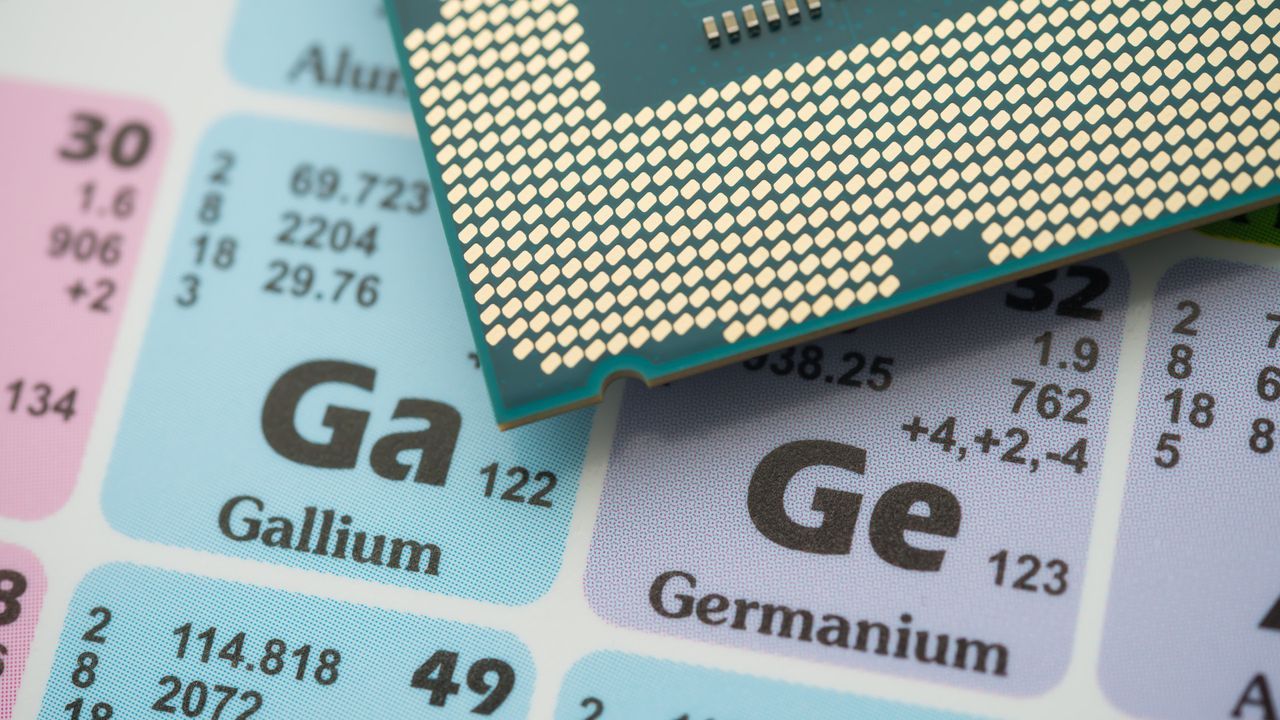
For PC enthusiasts, the ritual of opening up a gaming rig to clear out dust often feels less like maintenance and more like walking a tightrope. It’s a moment where even the smallest mistake can lead to catastrophic consequences. Recently, one user took this inherent risk to a dramatic extreme, deciding to stop worrying about GPU sag by employing an unconventional, high-risk intervention involving gallium.
This bold move quickly turned into something far more precarious. The user described their experiment not just as a solution, but as a “temperature indicator and ticking time bomb.” This phrase perfectly encapsulates the inherent danger of attempting to manipulate internal components with materials that have such volatile chemical properties.
The brilliance and the peril of this stunt lie in the nature of gallium itself. It has an extremely low melting point, meaning it reverts instantly to a liquid state if you try to hold it. More seriously, gallium is known for its ability to react chemically, reportedly ‘eating’ other metals like aluminum. Introducing this substance into the confines of a PC could lead to unpredictable and highly undesirable internal corrosion or leaks, turning a simple fix into an expensive hazard.
To mitigate this risk, the user sought to contain the gallium within a sturdy plastic vial, hoping for safety. While they expressed confidence that the container would hold, the reality is that when dealing with internal electronics, there are simply no guarantees. The experiment serves as a potent reminder that in the world of PC hardware, a quick fix often comes with hidden, severe consequences.
Fortunately, there are far safer and more practical ways to address GPU sag without flirting with chemical instability. If the goal is stability, smart solutions already exist that bypass the need for high-risk internal chemistry.
For those looking to elevate their setup safely, options like installing the graphics card in a vertical position offer inherent stability. Furthermore, support brackets are readily available and don’t require a gamble on liquid metal. Options range from specialized, adjustable devices to innovative 3D-printed holders, allowing users to personalize their aesthetic while maintaining structural integrity.
Whether you choose a sleek bracket, an adjustable device, or a custom-printed masterpiece, the focus should be on reliable support rather than volatile substances. It seems the ultimate anti-sagging solution isn’t found in chemistry labs, but right there on Amazon or in your 3D printer queue.
Buy on Amazon
Credit
