Toughest choices in PC gaming gameplay
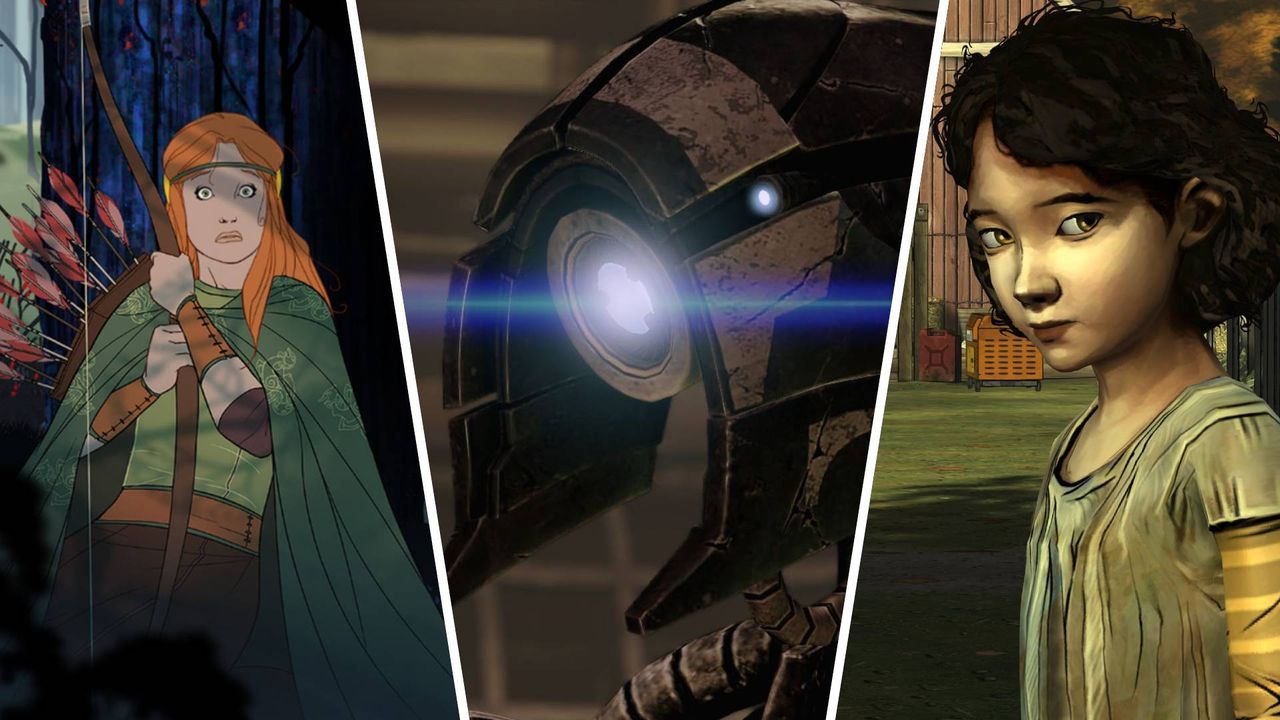
For decades, PC gaming has flirted with philosophy, forcing players to confront tricky moral decisions long before they ever entered a boardroom or a courtroom. It started back in 1985 with titles like Ultima 4, which laid the groundwork for navigating an eight-spoked moral compass just to prove you were Britannia’s best boy. The true era of these obligatory choices really kicked off in 2003 with Knights of the Old Republic, where players had to choose between light and dark.
The idea was brilliant: let us argue about choices in our blogs. However, not every moral dilemma landed with the intended impact. Some games treated morality as a toy—Fable’s cartoonish decisions felt more like play than wrestling with real consequences. Even titles like BioShock offered choices that felt performative, and some endings, like in Far Cry 3, left players scratching their heads.
But some developers truly mastered the art of consequence. Studios like BioWare and Telltale used these choices as a calling card, creating experiences where hesitation felt genuine and the outcomes were agonizing.
The weight of difficult decisions becomes palpable when you step into worlds designed to test your limits. Consider the high-stakes scenarios faced by players in various titles:
Prey introduced a stark ethical confrontation with the trolley problem, forcing players to make impossible choices about lives while dealing with an alien infestation. The tension escalates when the threat of the Mimics—aliens who can perfectly disguise themselves as objects—threatens the very station you are trapped on.
The Walking Dead strips away comfort to reveal a brutal calculus of survival. When faced with scarce resources, players must decide not just who lives, but who gets food, forcing agonizing choices about loyalty and future utility among survivors. Every meal distributed is a calculated risk that will haunt you.
The Banner Saga puts the player directly in a devastating siege scenario: do you defend the bridge, destroy it, or flee? These tactical dilemmas stack up as you navigate a chaotic refugee journey toward a fateful confrontation in the city of Einartoft, where every choice determines who lives and who dies.
Dishonored introduces moral grey areas with its concept of high chaos. While assassinating targets feels satisfying, the game cleverly demonstrates that seeking extreme chaos—like murdering political opponents—has disturbing ripple effects, making players question whether the immediate thrill is worth the long-term emotional cost.
Mass Effect 2 deepened this complexity by challenging the player with existential threats. When faced with the heretic geth, players must decide whether to destroy them or reprogram them—a choice that dramatically alters the fate of the galaxy and forces a reckoning between practical necessity and moral idealism.
The Witcher 3: Wild Hunt delivers one of the most emotionally wrenching choices in gaming: should Geralt kill or free a tree spirit? This seemingly simple decision spirals into a complex web of revenge, betrayal, and tragedy, proving that even the most conflicted heroes are trapped by consequences.
From defining a king in Dragon Age: Origins, where you decide between the honorable traditionalist and the scheming progressive path for the dwarves of Orzammar, to facing the harsh reality of child labor in Frostpunk, these games consistently demand difficult trade-offs. They prove that sometimes, the only way to survive—and understand humanity—is through painful, inescapable choice.
Buy on Amazon
Credit