Town demands stall AI data center project as council slams approval
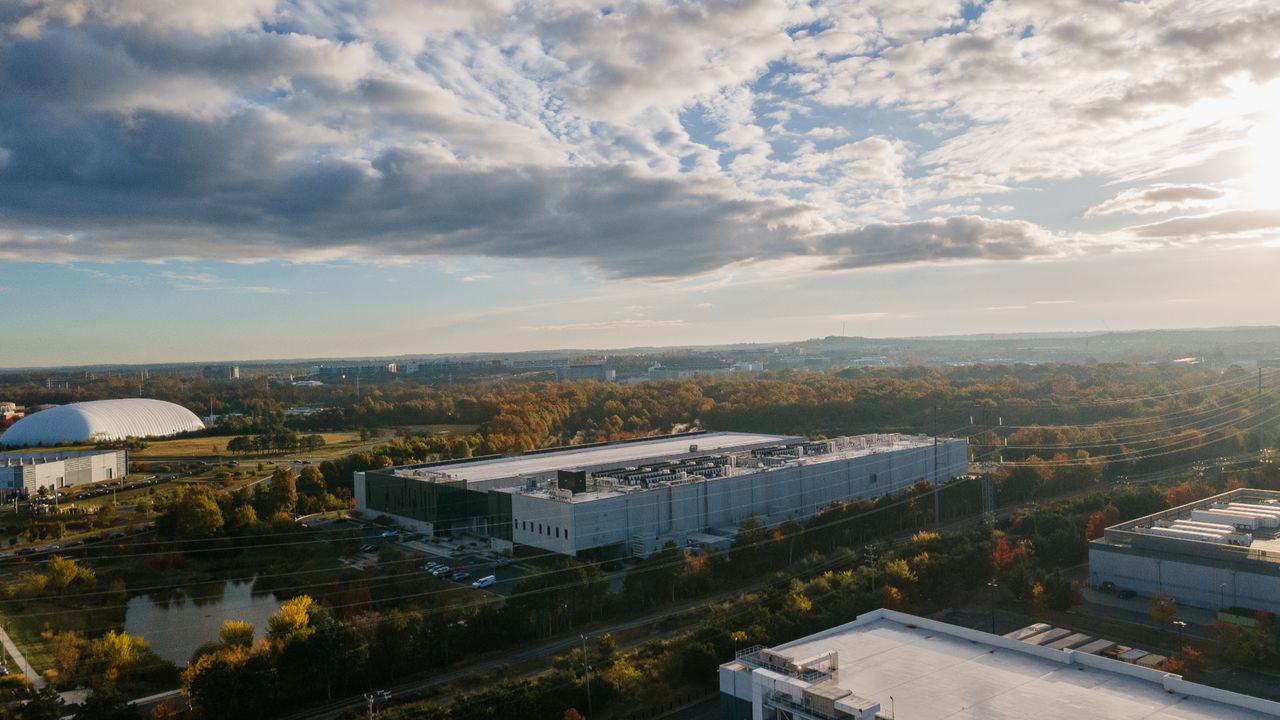
In the ongoing battle between rapid technological expansion and local community well-being, one Pennsylvania township has taken an uncompromising stand against a major industrial proposal. Plymouth Township, situated just thirteen miles north of Philadelphia, decided that development of a massive data center requires more than just permission; it demands accountability.
Rather than letting the project proceed unchecked, the township developed a comprehensive nine-page plan outlining 43 specific demands for any proposed data center. While state law generally protects landowners from being blocked from using their property, local governments retain the power to implement zoning restrictions and health and safety regulations, giving Plymouth the legal footing to establish these stringent requirements.
This detailed framework addresses a wide spectrum of concerns, ranging from noise and light pollution to water usage, power consumption, land use, taxation, and even the future decommissioning of the facility. The goal was clear: ensure that hyperscale infrastructure development does not come at the expense of resident quality of life.
Many jurisdictions typically allow developers to proceed with data center applications, but Plymouth chose a different path. They allowed the application to move forward only on the condition that the developer met these demands, effectively putting the burden of proof squarely on the applicant.
Council President Lynne Viscio explained the rationale behind this approach: “The Council can, should, and will do everything in its power to ensure the health, safety, and welfare of the Township, our environment, and our residents. This is always our top priority,” she stated. She noted that the detailed requirements were the result of extensive research into concerns raised by residents, subject matter experts, and issues inherent to large-scale data center deployments.
Unfortunately, the developer ultimately rejected the proposed demands. They subsequently filed a second application, arguing that the provisions made the project “too difficult” to build. The township firmly dismissed this challenge, labeling it a blatant attempt by the Applicant to demand approval by tantrum.
Despite the developer’s legal pushback, the process remains underway, currently awaiting a decision from the Zoning Hearing Board. The standoff highlights a broader tension: balancing the economic imperative of large-scale tech infrastructure against the critical need for local environmental and public safety oversight.
For the residents of Plymouth, this dispute is more than just zoning rules; it is a contest over how development should be managed. It serves as a vivid example of how local governance can act as a vital check on powerful industry, demanding that technological advancement operates within the confines of community health and welfare.
Buy on Amazon
Credit