TP-Link Archer 8 Ultra Wi-Fi 8 routers preorder starts Sept 30
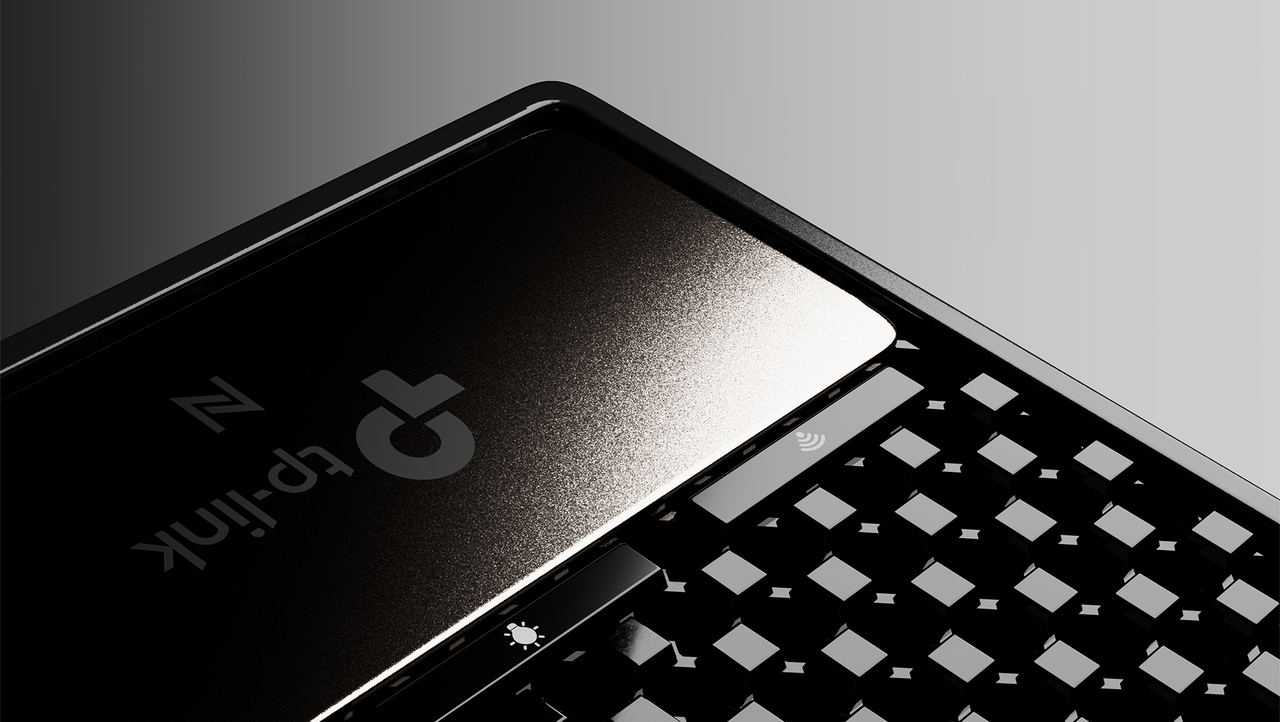
The Next Evolution of Wi-Fi: How TP-Link is Prioritizing Reliability in the Age of Wi-Fi 8
The networking world is on the cusp of a significant shift. TP-Link has unveiled its ambitious roadmap for the Wi-Fi 8 (802.11bn) networking family, signaling a move away from purely chasing theoretical speed and toward a focus on true, real-world reliability. This new generation promises not just faster connections, but a fundamentally smarter and more stable wireless experience for homes and businesses.
The initial rollout is already visible. TP-Link has announced that the Archer 8 Ultra BN19000 tri-band router will be available on September 30th. This device is packed with power, featuring 18 internal antennas and capable of delivering up to 19 Gbps of aggregate wireless speed, alongside 10 Gbps wired connectivity. For those needing larger coverage, the Deco 8 Ultra BN22000 mesh router offers even greater capacity, reaching up to 22 Gbps and supporting 10 Gbps wired connections, with a single three-pack covering up to 9,800 square feet.
But the true innovation lies beneath the surface. Wi-Fi 8 is designed less as a pursuit of raw bandwidth and more as an initiative to fulfill the performance metrics that Wi-Fi 7 promised. The focus is squarely on ultra-high reliability—reducing latency and packet loss, especially in challenging, high-interference environments.
To achieve this stability, TP-Link has introduced StabilityEngine, a suite of core Wi-Fi technologies. This framework leverages features like Enhanced Long Range (ELR) and Distributed Resource Units (DRU), along with Unequal Modulation (UEQM) and Modulation and Coding Schemes (MCS) to ensure uninterrupted wireless traffic. These advancements are particularly vital for ensuring flawless connectivity for the low-power Internet of Things (IoT) devices scattered throughout a modern living space.
Beyond the technical specifications, TP-Link is redesigning the user experience. Industrial design chief Gary Chang emphasized this shift, stating, “We stopped building a piece of networking equipment and started designing for the home.” This new design language aims to make routers not just functional, but aesthetically pleasing, ensuring that the hardware performs optimally by fitting seamlessly into the environment.
Looking ahead, the Wi-Fi 8 portfolio is set for expansion. TP-Link plans to introduce new devices, including the Roam 8 travel router and various range extenders, by Q2 2027. The underlying technology powering these next-generation products is drawn from industry leaders, including Broadcom, MediaTek, and Qualcomm.
Despite the impressive technological trajectory, the path to mass market availability is still being navigated. TP-Link currently faces a regulatory hurdle, as it has yet to secure the necessary FCC approval for its new products in the United States. This stands in contrast to some competitors who have already received conditional approvals, leaving the timeline for widespread U.S. deployment uncertain.
Credit