Triple Price Stalls Nvidia RTX 50 Super GPU Launch
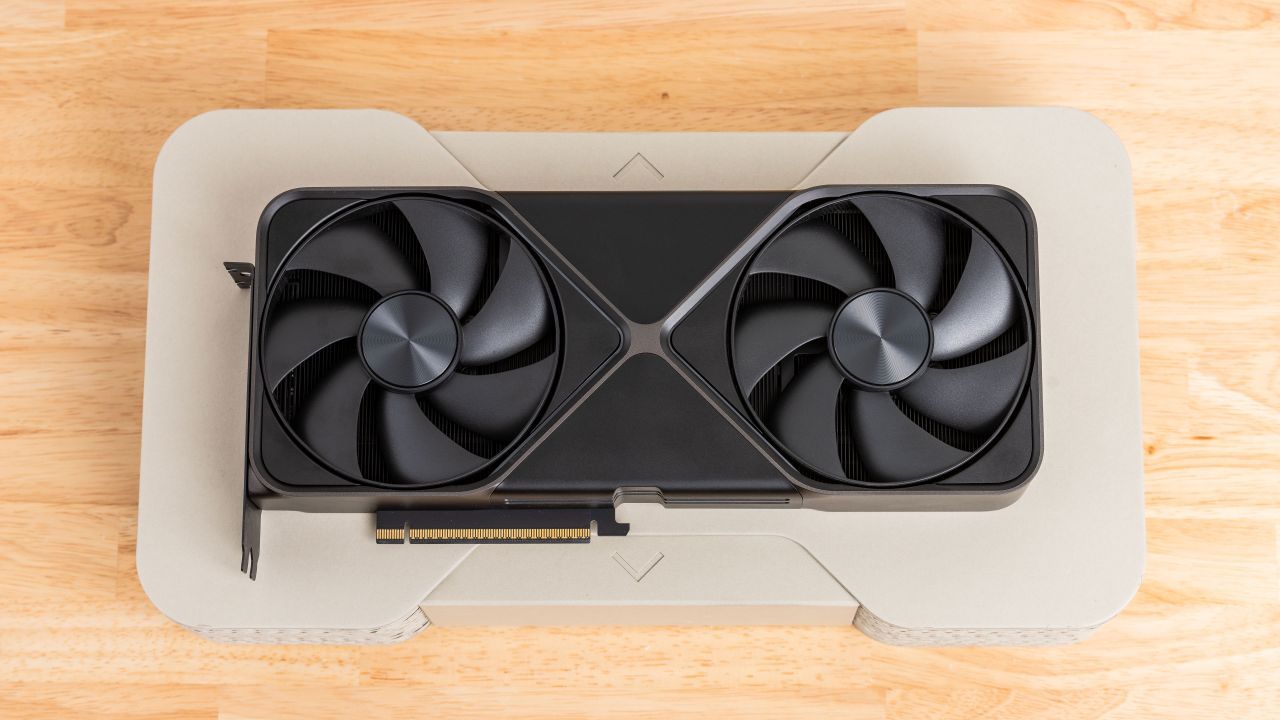
The future of high-performance graphics cards is facing an unexpected pause. Despite the relentless pace of innovation from Nvidia, the anticipated Super refresh of the RTX 50-series GPUs is reportedly on hold, not due to a lack of engineering brilliance, but because of a brutal economic roadblock: the soaring cost of memory chips.
This delay highlights the fierce tension between technological ambition and the harsh reality of the global semiconductor supply chain. While Nvidia has set internal release dates for these powerful new accelerators, external market forces are dictating the timeline, forcing a recalibration of plans that once seemed limitless.
The central sticking point revolves around GDDR7 memory chips. These advanced components offer significantly more bandwidth than previous generations, promising massive leaps in GPU performance. However, introducing GDDR7 into the lineup comes with a steep price tag, specifically regarding the cost of the 3GB memory modules required for these high-end cards.
This cost disparity is particularly stark when comparing current-generation cards to their next-gen counterparts. Rumors suggest that the upcoming RTX 50 Super models will feature 3GB of GDDR7 memory, offering fifty percent more capacity than the 2GB found in existing graphics cards. This increased VRAM is essential for feeding the demands of cutting-edge AI and gaming.
Specific rumored configurations paint a picture of immense power: the RTX 5080 Super and RTX 5070 Ti Super are expected to feature 24GB of GDDR7 VRAM, while the RTX 5070 Super will sport 18GB. While these specifications promise incredible capability, the high price of the necessary chips threatens to push the retail cost far above Nvidia’s original MSRP targets.
The memory crunch is not an isolated incident; it reflects a systemic crisis gripping the entire industry. For board partners assembling these complex systems, the market is now fiercely competitive as they are forced to source their own memory chips in an increasingly challenging environment. This shift has been exacerbated by Nvidia’s decision to stop supplying VRAM directly to its partners in late 2025, pushing the burden of procurement onto the manufacturers.
The wider semiconductor landscape is grappling with unprecedented shortages. Industry analysts are projecting that the memory crunch will continue well into the future, with some forecasts predicting that the shortage could last until 2030. Even the technology giant benefiting from the AI boom has been affected by this “RAMpocalypse,” as memory now accounts for a significant portion of the total cost of building advanced AI systems.
For Nvidia and its ecosystem partners, navigating this volatile market presents an enormous challenge. While delays are inevitable when prices are this high, the ability to launch these next-generation GPUs depends entirely on finding a sustainable path through the memory crisis. The question remains: how long can economic pressures hold back the next leap in graphical performance?
Buy on Amazon
Credit
