Trump hits China with 100% drone tariffs for national security
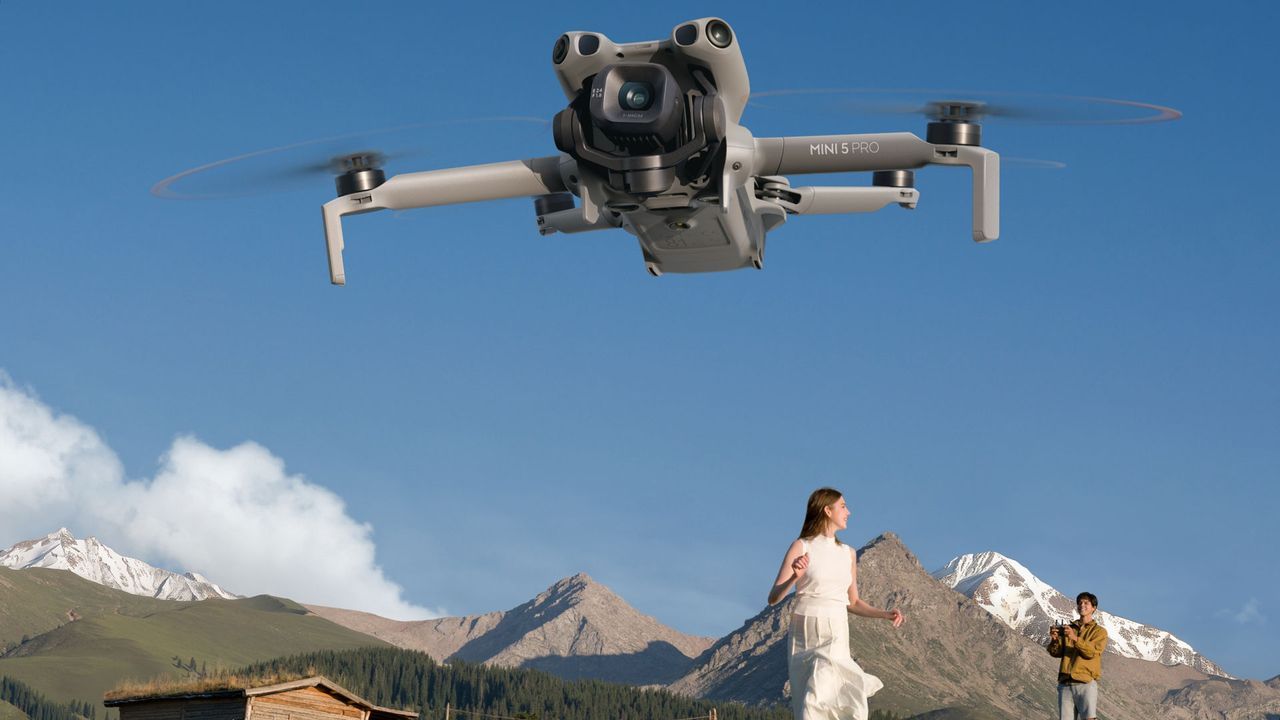
The world of drones, once defined by rapid innovation and boundless possibility, has entered a new, significantly more regulated phase. The Trump administration has recently unleashed a series of sweeping tariffs on imported drones and their critical components, initiating a high-stakes trade war that pits national security concerns against the global supply chain.
This move is part of a larger, long-running campaign aimed at reducing America’s reliance on foreign technology, particularly from China, while simultaneously bolstering the domestic manufacturing base. Effective September 3, the U.S. Customs and Border Protection (CBP) published detailed guidance outlining the exact filing procedures and the specific tariff rates imposed on affected drones.
To manage this complexity, the administration implemented a sophisticated classification system. Drones are categorized based on their capability. The most stringent 100% tariff rate targets unmanned aircraft exceeding 55 pounds (25kg), drones equipped with thermal imaging or docking stations, and specific critical components like airframes, electronic control boards, and static converters. This category was labeled “particularly sensitive for natural security purposes.”
For smaller drones and less sensitive components, a 25% tariff applies. While this system splits numerous brands into these two buckets, the impact is heavily skewed. China, home to giants like DJI, is the primary target, as the country supplies the vast majority of the drones currently found on U.S. shelves.
The system also treats international partners with varying degrees of sensitivity. Nations such as the European Union, Japan, and South Korea are set at a 15% rate, while the United Kingdom faces a 10% duty, provided that the hardware and technology originate from those allied nations or the United States.
The tariff application is phased, recognizing the need for adjustment. The most impactful duties on finished aircraft and sensitive components came into effect immediately. A second, lower-priority tier of tariffs, targeting components for smaller consumer models, is scheduled to take effect later in 2027.
Beyond the tariffs, this federal effort is paired with incentives designed to encourage onshoring. U.S. manufacturers, such as Skydio, have attracted significant investment following previous bans, illustrating a push to rebuild a resilient domestic supply chain.
This push for domestic manufacturing has drawn attention to the intersection of trade and policy. Concerns have been raised regarding the close ties between political figures and industry, with government ethics groups flagging the relationship between the administration’s actions and arrangements involving drone-parts makers.
The regulatory environment around drones is continuously evolving. This latest tariff action follows previous moves by agencies like the Federal Communications Commission, which sought to control what foreign-made drones could be sold domestically, including proposals to retroactively ban models deemed “military-grade.” As the drone industry continues its ascent, the balance between technological freedom, national security, and global trade remains a fascinating and complex balancing act.
Credit
