TSMC commits $100B to Arizona for 2nm fabs and $64B capex
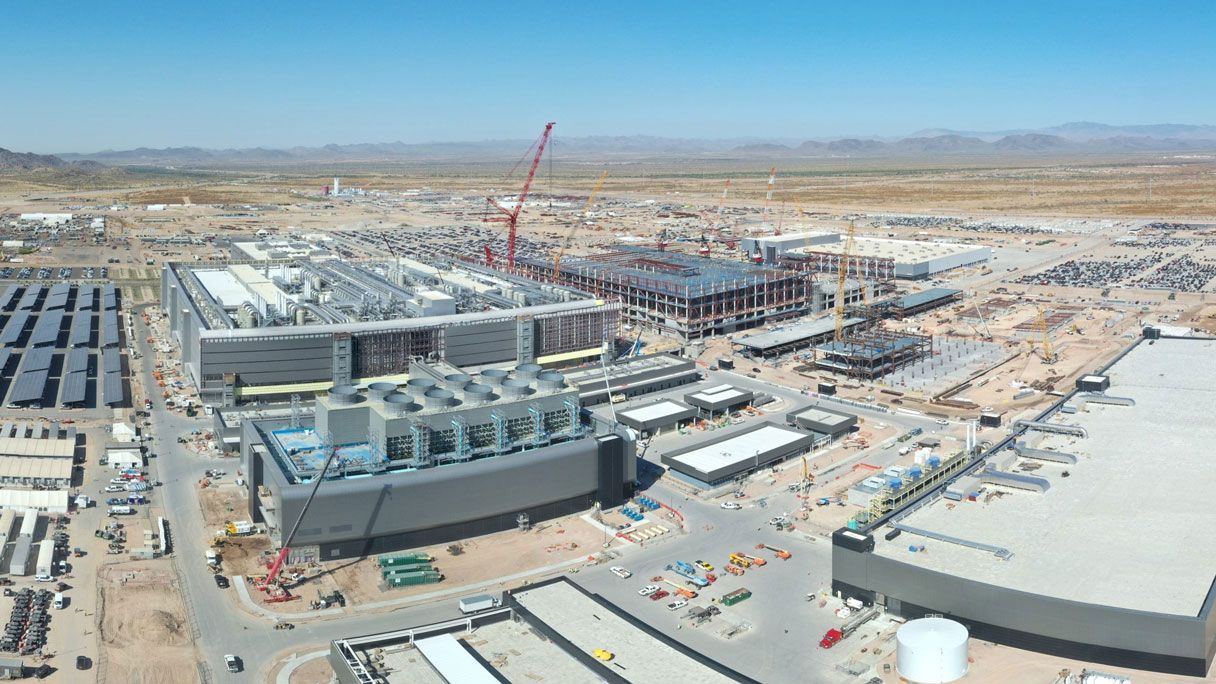
TSMC Bets Big on Arizona: $100 Billion Chip Race to Secure the Future of AI
The race for technological dominance is heating up, and at the epicenter of this high-stakes global competition, TSMC is pouring massive capital into the United States. CEO C.C. Wei recently announced a staggering commitment: an additional $100 billion dedicated to constructing at least four more cutting-edge chipmaking plants and advanced packaging facilities in Arizona.
This monumental investment isn’t just about building factories; it is about securing the future supply chain for the world’s most demanding technologies. The new facilities will specialize in manufacturing chips at the highly advanced 2nm node and below, signaling TSMC‘s intent to solidify the U.S. as a critical hub for next-generation semiconductor production.
By committing this capital, TSMC is boosting its total announced U.S. investment to $265 billion. This move directly addresses concerns about geopolitical risk and tariffs, aligning perfectly with broader U.S.-Taiwan trade agreements and ensuring that the critical components powering artificial intelligence remain accessible and secure.
The strategy extends beyond just manufacturing wafers. A significant portion of the funding is allocated to advanced packaging facilities, which are arguably even more consequential than wafer output right now. As demand for AI accelerators skyrockets, the bottleneck often lies in packaging capacity, specifically in producing CoWoS capacity—the crucial interconnects that link GPUs and AI processors.
Building these advanced packaging plants in Arizona offers a transformative opportunity. It allows TSMC’s leading U.S. customers to establish a complete domestic supply chain, covering everything from the initial wafer start to the final packaged accelerator. This local production capability dramatically mitigates supply chain vulnerability and ensures that high-performance computing demands are met with regional resilience.
While the pace of construction remains dependent on market demand, TSMC’s commitment signals serious intent. The planned expansion puts the Arizona site squarely in the middle of a larger vision, aiming for a total footprint of twelve fabs and four packaging facilities across the state—a major step in transforming the region into an unrivaled semiconductor powerhouse.
The scale of this ambition is matched by TSMC’s current financial performance. The company recently reported record quarterly earnings, reflecting robust demand across the industry. Net income soared, revenue grew significantly, and gross margins hit a new high, demonstrating that the market is hungry for what TSMC produces.
Looking ahead, TSMC remains focused on massive expansion. Management has raised its full-year revenue growth forecast, underscoring confidence in sustained demand. The company’s capital expenditure plans reflect this optimistic outlook, with expectations for continued large-scale investment in advanced process technologies over the coming years.
Despite the immense momentum, building a chip empire is not without hurdles. Execution in Arizona will be complicated by existing challenges related to labor, water access, and visa regulations. Nevertheless, the strategic payoff—a more secure, localized, and advanced semiconductor ecosystem—suggests that this $100 billion endeavor is set to redefine the landscape of global technology.
Credit