TSMC equipment demand doubles AI drives $64B CapEx
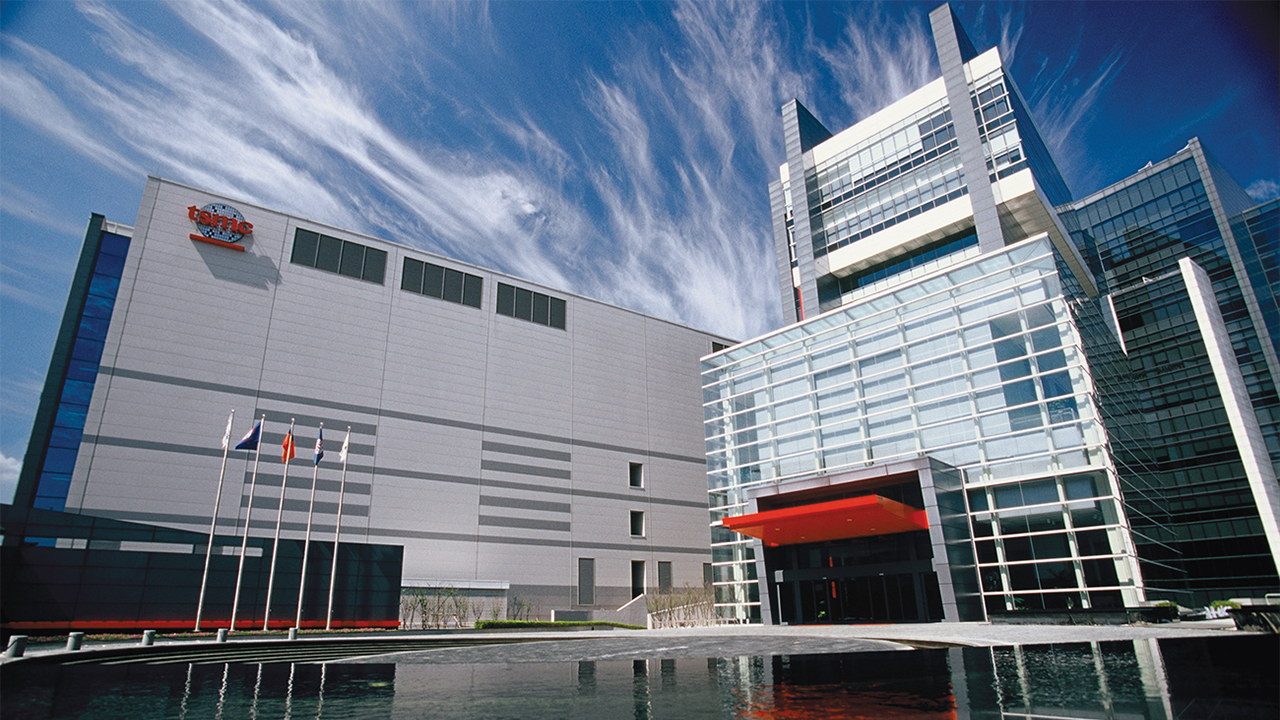
As the undisputed heavyweight of the semiconductor industry, TSMC holds a unique advantage in chipmaking negotiations, naturally securing larger volumes from its suppliers. Yet, this immense power comes with a heavy burden: the demand for specialized equipment is growing at a pace that is straining the very limits of the supply chain. The challenge for the world’s largest foundry is no longer just about production capacity; it is about acquiring the tools necessary to meet the surging appetite of the AI era.
This escalating pressure is most evident in the equipment requirements. When manufacturing capacity rapidly expands to satisfy massive demand, the necessary machinery must scale with it. TSMC’s leadership has acknowledged this explosive growth, noting that their projected requirements for semiconductor production equipment have nearly doubled since the end of last year. This acceleration is directly tied to the company’s aggressive expansion of manufacturing facilities in Taiwan and the United States.
The demand surge is particularly acute when viewed through the lens of recent financial forecasts. Initial projections for the equipment needed over the following year proved conservative. By the end of the first quarter, TSMC’s actual equipment requirement had already jumped to 1.5 times the initial estimate. By July, this need had climbed even further to 1.9 times the original projection, signaling that the company’s equipment needs had almost doubled in just six months.
Beyond new construction, the need for advanced machinery also stems from upgrading existing facilities. As TSMC builds and modernizes its fabs, the demand for new, state-of-the-art tools intensifies, adding another layer of complexity to the sourcing puzzle.
Despite the phenomenal growth in demand, the financial commitments to this expansion reveal a different story. While TSMC significantly increased its capital expenditure (CapEx) budget over the recent eight months, the growth in spending was relatively modest. The company guided its 2026 CapEx between $52 billion and $56 billion at the beginning of the year. By July, this estimate had shifted to a range between $60 billion and $64 billion, representing an increase of approximately 15% based on the midpoint, demonstrating that the financial investment is carefully managed alongside the physical demands.
The overarching question for the industry remains how these requirements are calculated and met. With virtually every major chipmaker competing for limited wafer fab tools, the focus shifts to securing the necessary equipment. Navigating this landscape requires more than just manufacturing prowess; it requires a sophisticated strategy for acquiring tools while managing global shortages and skyrocketing demand for the future of computing.
Buy on Amazon
Credit
