TSMC invests $100B in US chipmaking
The Silicon Strategy: TSMC‘s $100 Billion Play for American Chip Supremacy
The world’s undisputed leader in chip manufacturing, TSMC, is gearing up for an enormous strategic pivot, announcing plans to inject another $100 billion into the United States to expand its cutting-edge production capabilities domestically. This staggering commitment signals a deep entanglement between technological ambition and geopolitical necessity in today’s high-stakes semiconductor landscape.
This latest pledge isn’t an isolated event; it builds upon TSMC’s earlier commitments, including a prior $100 billion investment that was, at the time, framed as a strong incentive for building manufacturing plants within the US. The cumulative effort positions the company as a central player in shaping the future of American technology infrastructure.
The driving force behind this colossal spending is, fundamentally, demand. As predicted by CEO C. C. Wei during recent earnings calls, these investments are designed to support the “strong multiyear demand” coming from leading US customers. This demand is fueled by the explosive growth of the artificial intelligence revolution.
The current silicon boom is directly tied to the AI frenzy, which has created unprecedented requirements for high-performance memory and computing power. Researchers widely anticipate that this massive demand will continue far into the future, suggesting a structural shortage in global DRAM capacity that will remain unresolved even into 2030.
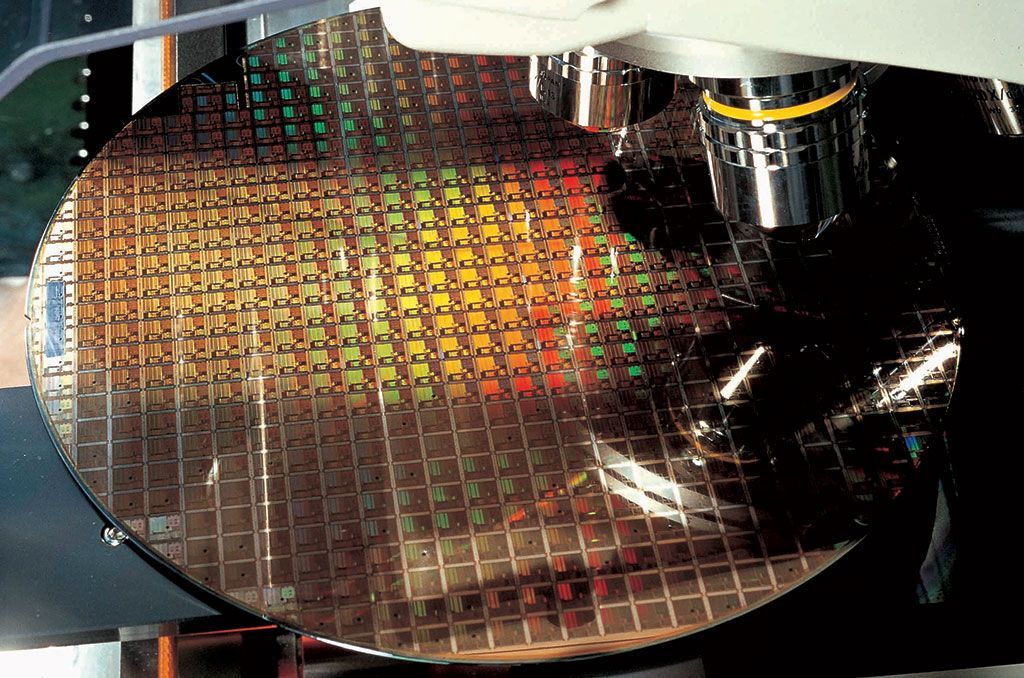
Because TSMC manufactures the essential wafers that power everything from CPUs to advanced AI accelerators (GPUs), this surging market directly benefits them. The relentless appetite for these chips has translated into remarkable financial success, evidenced by forecast-beating profits and record jumps in recent quarters.
However, making production decisions on such a massive scale is rarely purely economic. The move toward greater US domestic manufacturing capabilities introduces a complex layer of geopolitics. While the investment aims to secure supply chains for American industry, it comes into sharp focus amidst evolving global tensions surrounding China and Taiwan, the critical hub for TSMC’s operations.
The dynamic is complicated by the fact that China is rapidly expanding its own memory production capabilities and is actively seeking to catch up in wafer fabrication. This creates a fierce competition where TSMC must navigate potential instability while attempting to balance strategic investment in the West with maintaining operational flexibility globally.
Ultimately, TSMC’s massive commitment reflects the reality that advanced chipmaking is no longer just an engineering challenge; it is a strategic geopolitical maneuver. The promise of domestic production is not merely about economics, but about ensuring resilience and securing a dominant role in the next era of digital innovation.
Buy on Amazon
Credit