TSMC makes $16.35B from AI in August
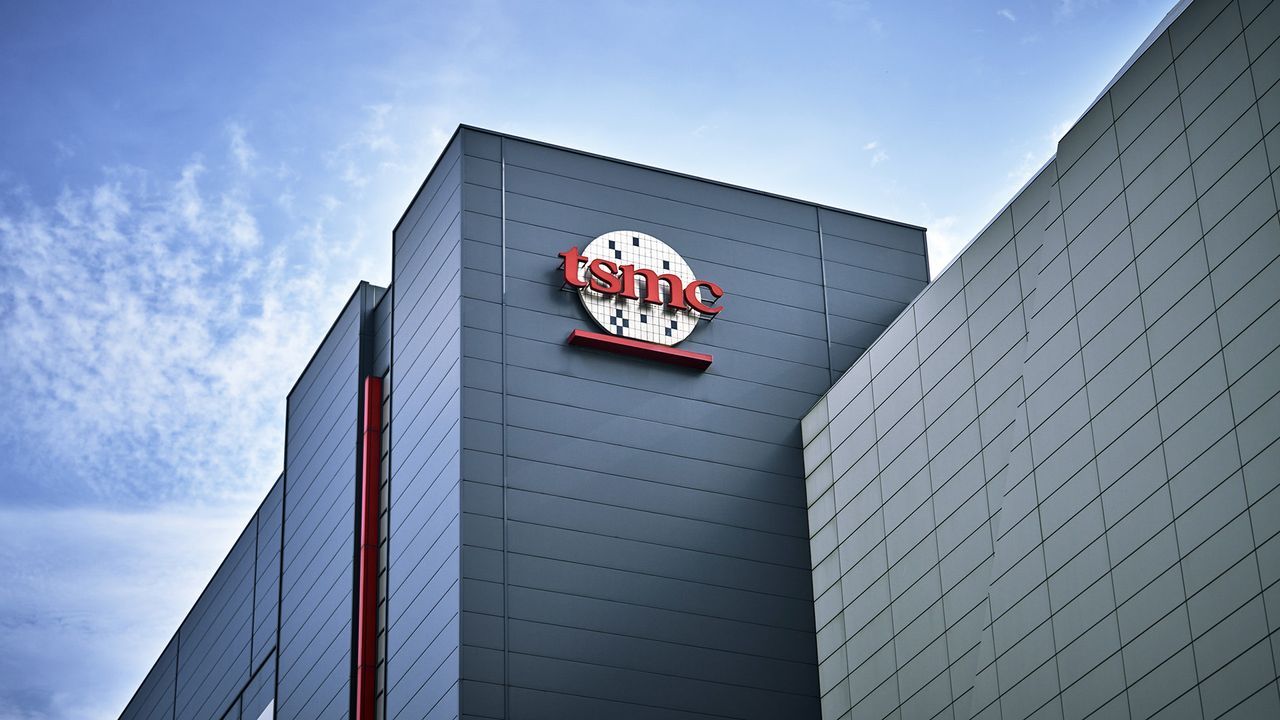
When we talk about the current technological revolution, the story isn’t just about algorithms and code—it’s about the silicon heart beating beneath the digital world. And standing at the very core of this epic hardware race is TSMC, the titan of semiconductor manufacturing, proving once again that they are the engine powering the age of artificial intelligence.
The demand for cutting-edge chips has hit an unprecedented stride, and the results are staggering. In August, TSMC’s revenue skyrocketed by a face-melting 53% year-on-year. This incredible growth reflects the explosive need for advanced processing power as the world races to build more and more data centers to feed the burgeoning AI industry.
This momentum isn’t a fluke; it’s a clear signal of a massive, sustained trend. Between January and August 2026, the company amassed revenue equivalent to roughly $117 billion USD, marking a remarkable 39.3% increase compared to the previous year. This surge highlights how deeply embedded semiconductor production is in the global economy.
The confidence in this trajectory is firmly backed by the industry’s most powerful forces. As CEO C.C. Wei noted during recent earnings calls, the demand for AI-related computation remains extremely robust. The multi-year AI megatrend is not just a promise; it is a concrete reality driving the need for the most advanced silicon available.
The hardware hunger is palpable. The competition for these specialized chips is intense, exemplified by industry giants like Nvidia, which is aggressively securing the infrastructure needed to train next-generation models. Nvidia’s recent moves, including plans for massive hardware deployment and investments in AI development platforms, underscore the fact that the future of AI is fundamentally hardware-hungry.
The necessity for TSMC’s advanced fabrication capabilities is no longer theoretical. The demand for AI server GPUs has kept the most advanced production lines—the 5nm, 4nm, and 3nm technologies—fully booked. This intense demand demonstrates that foundational manufacturing capacity is the bottleneck in the AI expansion.
Looking ahead, TSMC is not just keeping pace; they are actively building the future of production. The company has already committed to utilizing ASML‘s next-generation production technology starting in 2030, positioning itself at the forefront of technological innovation well into the future.
While competitors like Samsung hold a smaller slice of the market, TSMC’s dominant position ensures its critical role remains unshakable. The story of TSMC is more than just financial growth; it is the story of how advanced manufacturing scales up to meet the demands of the greatest technological shift of our time.
Credit