Turn idle PC into AI rental: The unproven ‘Airbnb for AI’
What happens to the massive computational power housed in our idle consumer hardware? For many rigs, the answer is simply doing nothing. But for a new cohort of startups, that downtime isn’t wasted space—it’s a potential revenue stream. Two ambitious companies are building marketplaces to turn dormant consumer GPUs into productive AI inference engines, effectively paying hardware owners to let their machines do the heavy lifting.
Abu Dhabi-based Far Labs and Austin-based Evolving Edge are leading this charge, developing sophisticated systems to farm AI inference tasks out to these idle machines. Their goal is to create a distributed computing ecosystem where consumer hardware contributes directly to the AI landscape.
Far Labs is preparing to launch its Far AI platform, aiming for blazing speed with a target latency of 100 milliseconds or less. Meanwhile, Evolving Edge is already running an open beta, leveraging the open-source framework Ray to efficiently distribute jobs across connected nodes.
The mechanism behind this innovation is complex and clever. Far Labs employs a proprietary scheduler that intelligently splits large AI models across multiple machines. An orchestrator and a load balancer then seamlessly reassemble the partial outputs, delivering a unified response. This distributed approach allows these systems to tackle smaller, open-source models effectively, bypassing the need for massive, centralized supercomputers.
Crucially, the security of this arrangement is paramount. Letting a stranger use your personal machine for compute raises serious concerns about malicious code and data exposure. To solve this, the companies prioritize isolation. Inference runs as a sandboxed workload with encrypted communication and strict limits enforced on the GPU, CPU, memory, storage, and network access. Furthermore, Evolving Edge has made its node software open-source, allowing hosts to audit exactly what is running on their hardware, ensuring transparency and control.
This model is already gaining traction in the broader market. Competitors like the Utah-based Salad platform list over 60,000 daily active consumer GPUs on its network, offering compute to customers starting at astonishingly low rates, such as $0.02 per hour.
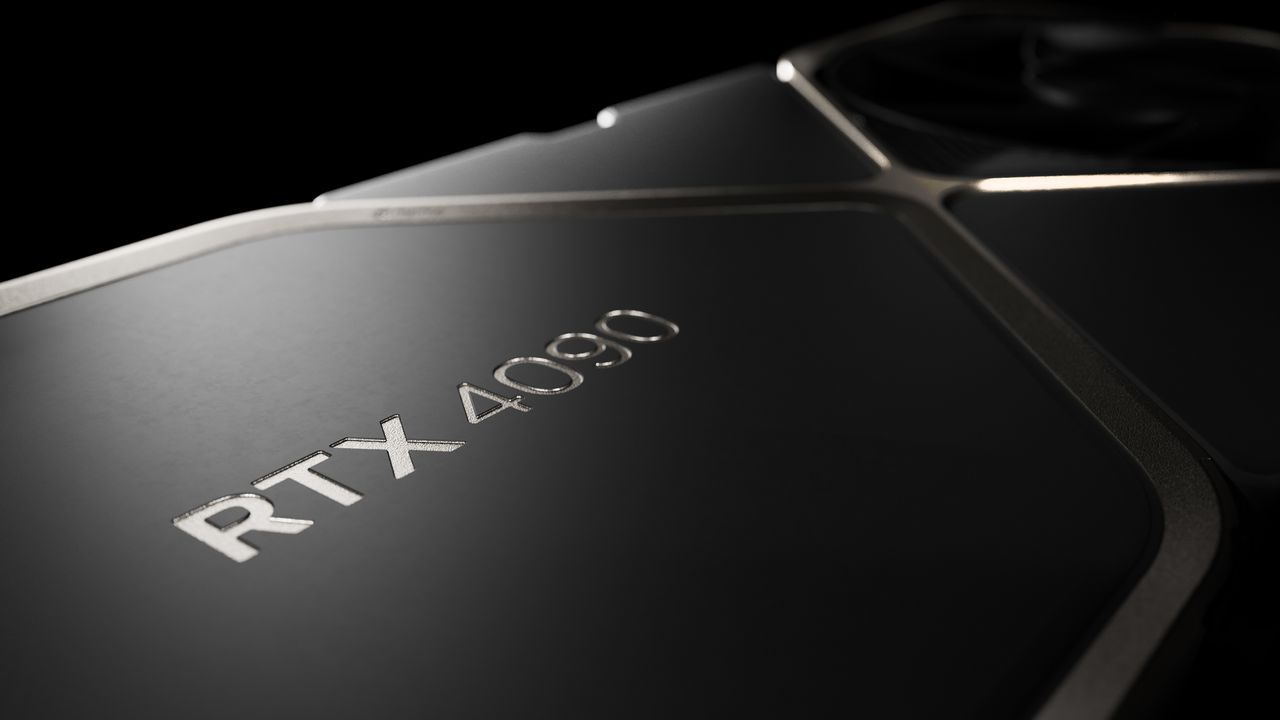
The economics of this new landscape are driven by efficiency. While the initial cost of electricity remains a factor—an RTX 4090, for example, can cost a host roughly $40 to $50 per month just to run continuously—these distributed networks offer a unique value proposition. The founders argue that these distributed networks possess an inherent resilience that centralized cloud systems often lack, allowing them to ride out failures that can cripple massive data centers.
The shift is more than just a technical tweak; it’s a philosophical move toward distributed reliability. As the industry seeks more robust, fault-tolerant solutions, the ability of these networks to function outside of monolithic cloud structures positions distributed AI compute as a compelling and resilient future for the AI revolution.
Buy on Amazon
Credit
