Ubisoft chief says killing game discs won’t be a big deal
The gaming world is currently grappling with a seismic shift, prompted by Sony’s strategic decision to halt the production of physical game discs in 2028. This move has sparked a considerable uproar, particularly among PlayStation owners who are facing a future deeply rooted in digital dependency and the erosion of traditional trade-in markets.
For many console enthusiasts, this transition feels like an abrupt loss of control—the ability to own, trade, and repossess physical media is a long-established part of the gaming experience. But the debate isn’t just about discs; it’s a broader discussion about the future power dynamics between closed ecosystems and open platforms.
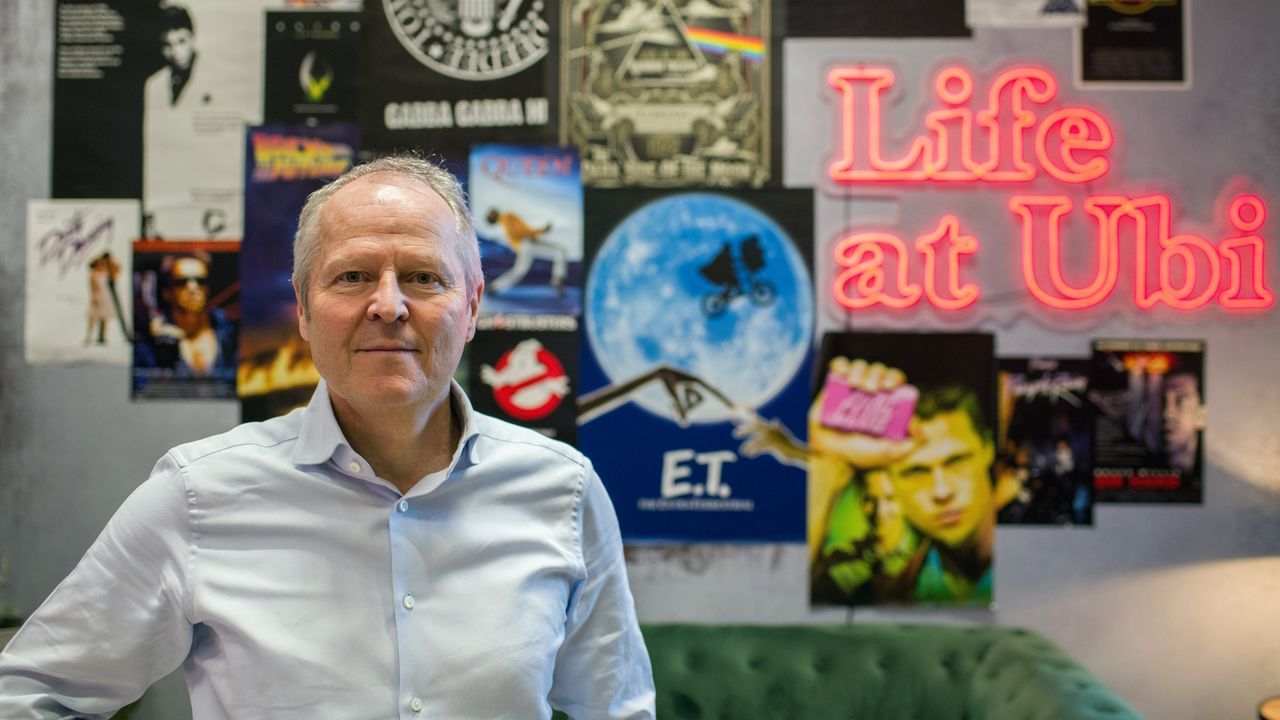
When questioned about the implications of this shift, Ubisoft CEO Yves Guillemot offered a perspective that steers the conversation toward the larger industry trend. He acknowledged the loss of the secondary market for PlayStation games but framed the change within the context of overall growth. Guillemot suggested that the expansion into digital services and accessible hardware could ultimately benefit the industry by making gaming more accessible.
He pointed to the explosive growth seen in the PC sector, noting that the success of platforms like Steam demonstrates how powerful an all-digital model can be. Guillemot indicated that while there are clear pros and cons to relying solely on digital distribution, the industry is likely to adapt smoothly rather than face a major disruption.
The contrast between the console experience and PC gaming highlights the difference between a “walled garden” and an open field. While the PlayStation Store offers tightly controlled access, the PC ecosystem thrives on freedom and competition. This freedom is currently reflected in the vast array of deep discounts available on PC platforms like Steam, GOG, Humble, and Epic Games, which provides gamers with excellent value that balances out the lack of physical trade-in options.
Ultimately, the future trajectory depends on how Sony manages its digital grip. While some worry about relinquishing physical ownership, others see this as a necessary evolution toward more accessible gaming experiences. Whether this shift proves to be smooth or bumpy remains to be seen, but it signals that the gaming landscape is constantly evolving, proving that in the world of games, change—even the radical kind—is the only constant.
Buy on Amazon
Credit