US military shoots down cartel drones with lasers
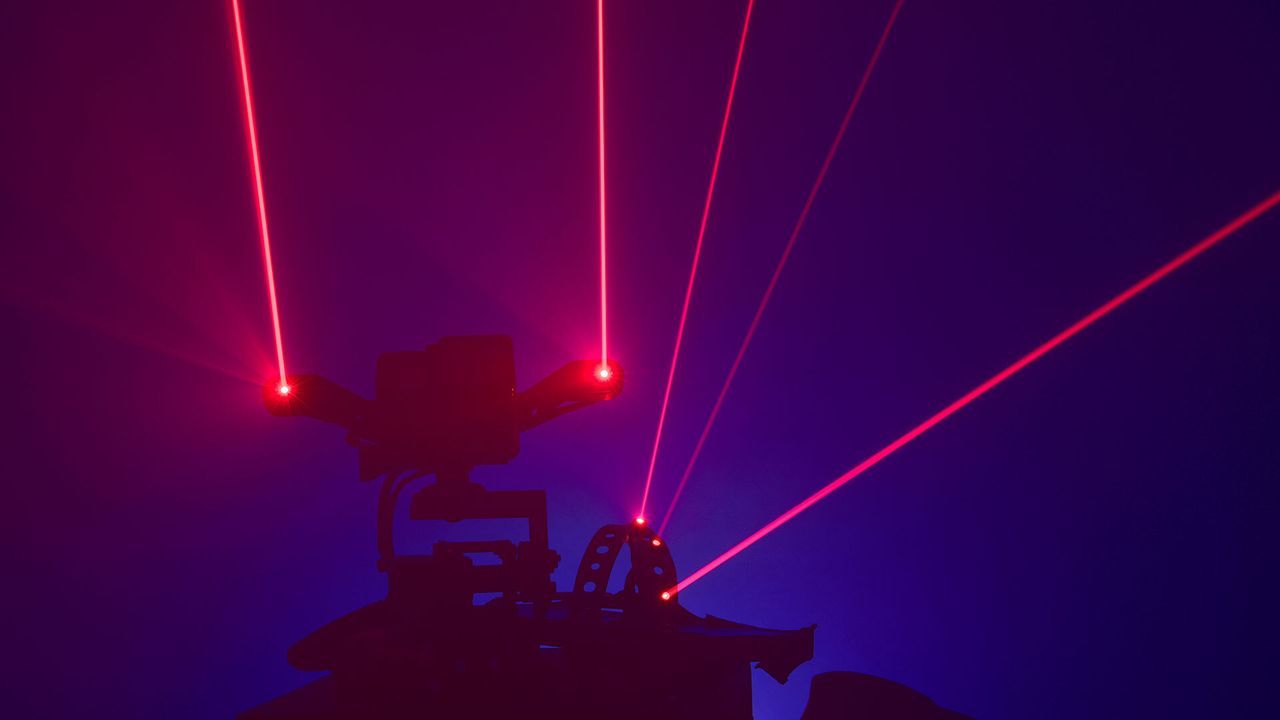
In a high-stakes confrontation along the southern border, the United States military recently deployed advanced technology to intercept suspected illegal activities. Uncrewed aerial vehicles, believed to be used by Mexican cartels for illicit human smuggling and surveillance, were destroyed by an Army Multipurpose High Energy Laser System operated by U.S. Northern Command.
The intervention sent a clear message: hostile surveillance will not be tolerated. Maj. Gen. Curtis Taylor, commander of the southern border’s Joint Task Force, emphasized that by integrating layered countermeasures with powerful directed-energy capabilities, the military has established a firm stance against threats operating in the border region.
This deployment of laser technology is part of an evolving strategy to defend American airspace. While the specific targets of the recent strikes remain classified for operational security, the action underscores a growing reliance on sophisticated systems to secure vital territories.
The history of using laser weapons for defense is not new. Earlier incidents involving similar technology led to some unexpected outcomes, such as accidental targets being mistaken for party balloons, highlighting the need for precise operational control.
More recently, a laser weapon successfully shot down a drone, though this instance involved a drone belonging to Customs and Border Protection, not a hostile entity. The military remains focused on ensuring these advanced systems are used effectively and precisely.
The development and deployment of anti-drone technology is accelerating globally. Nations are increasingly turning to laser systems because they offer a cost-effective alternative to traditional air defense methods, with each shot costing significantly less than the millions required for missiles.
This cost-effectiveness is why these systems are gaining traction. For example, China has developed a portable anti-drone laser system capable of targeting targets up to 1,600 feet away. Meanwhile, the United Kingdom is planning to deploy its own DragonFire laser weapon system on Royal Navy destroyers by 2027.
This technological race extends into the civilian sphere. Even individuals have access to personal laser air defense systems, allowing them to protect their properties from unwanted aerial intrusions for a fraction of the cost of traditional air defense measures.
The ongoing integration of directed-energy weapons into border security and military operations signals a significant shift in how nations manage territorial defense, moving toward a future where high-tech tools play a crucial role in safeguarding global interests.
Buy on Amazon
Credit
