
US politicians block AI data centers causing public outcry
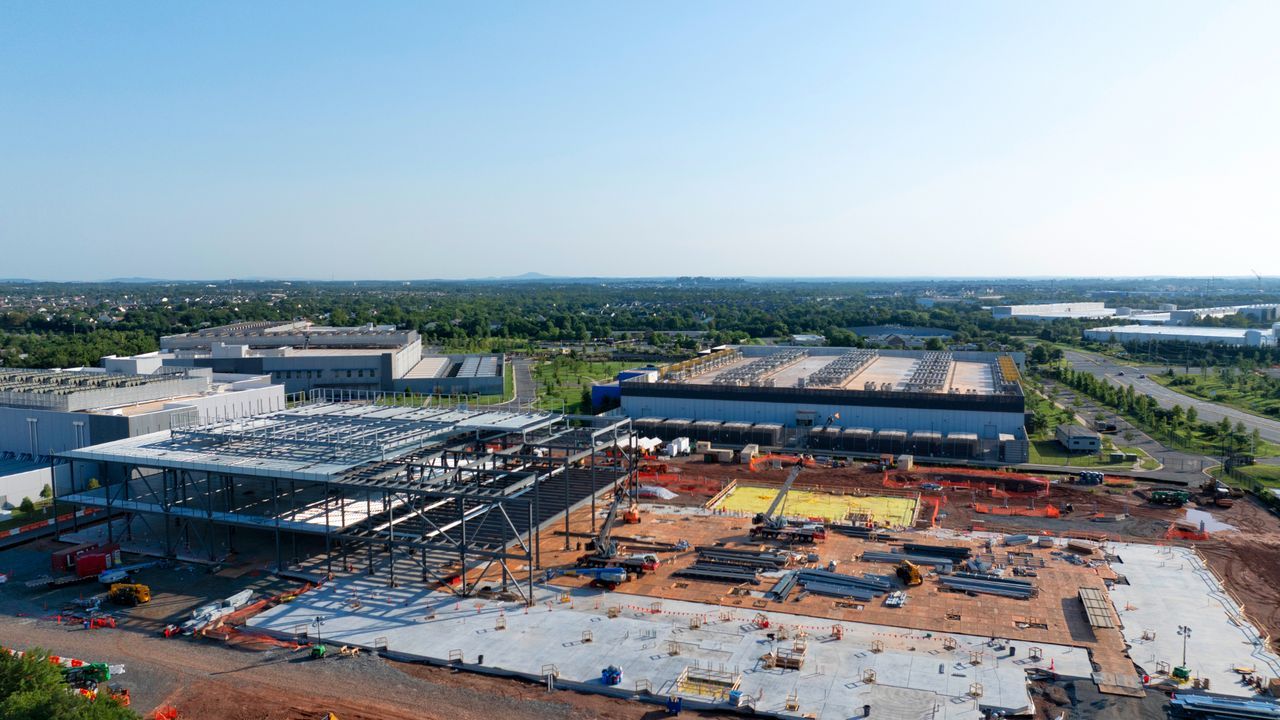
As artificial intelligence continues its relentless march, powering everything from advanced algorithms to large language models, a massive infrastructure requirement is emerging: the need for colossal data centers. But beneath the promise of technological advancement lies a growing friction between the high-speed demands of AI and the quiet concerns of local communities.
This tension has boiled over into political action across the United States. In July alone, local bans on new data center developments skyrocketed to over 500, signaling that residents and local politicians are actively pushing back against the rapid expansion required by AI firms. This isn’t just a localized spat; it represents a nationwide recalibration of where and how this critical infrastructure can be built.
The pushback is proving remarkably non-partisan. Bans are appearing in states and towns across the political spectrum, demonstrating that the opposition stems less from political affiliation and more from legitimate concerns about quality of life and community impact.
What exactly are residents fighting against? The resistance centers on several key issues. Concerns include the significant noise pollution generated by 24/7 operations, the strain placed on local public services like water and electricity supplies, and the disproportionate environmental footprint left on surrounding communities.
In places like New York, the debate led Governor Kathy Hochul to sign an executive order that paused approvals for any data center projects consuming 50 megawatts or more of energy. Other states are employing similar tactics; Massachusetts and Nebraska have halted tax breaks for developers, while Colorado has implemented multiple bans around Denver due to environmental and water usage worries.
The stakes are particularly high in states actively seeking to host major AI hubs. Texas, for instance, has become a focal point, with Governor Greg Abbott pausing approvals while conducting extensive audits of companies seeking access to the state’s power grid. This dynamic is amplified by massive projects like Amazon’s plans for new power plants aimed at powering vast data centers, raising concerns that these facilities could become major sources of environmental pollution in the region.
The trend shows a concentration of resistance in the Midwest and South. With over 400 restrictions now in place, southern states like Georgia and Florida have seen nearly three-quarters of recent moratorium approvals, indicating a widespread rejection of unchecked expansion.
Even large, planned developments are facing hurdles. In Nashville, Tennessee, local efforts to block a controversial 23-acre data center development near a zoo illustrate the depth of community resistance when infrastructure clashes with public interests and protected spaces.
This local struggle reflects a broader societal shift. Reports indicate that over 70% of Americans are reportedly opposed to more AI data centers, fueling growing public protests. The pushback is now visible in action, with at least 37 people arrested so far this year for protesting against these developments, signaling that the demand for sustainable, community-focused growth is gaining serious political momentum.
Buy on Amazon
Credit