USB drives transfer files using magnetic core memory sneakernet
In a world obsessed with gigabytes and quantum computing, some breakthroughs come not from the cutting edge, but from digging into the deep history of technology. A Japanese researcher has achieved just that, successfully using a bizarre, retro-modern storage device to bridge the gap between two modern computers.
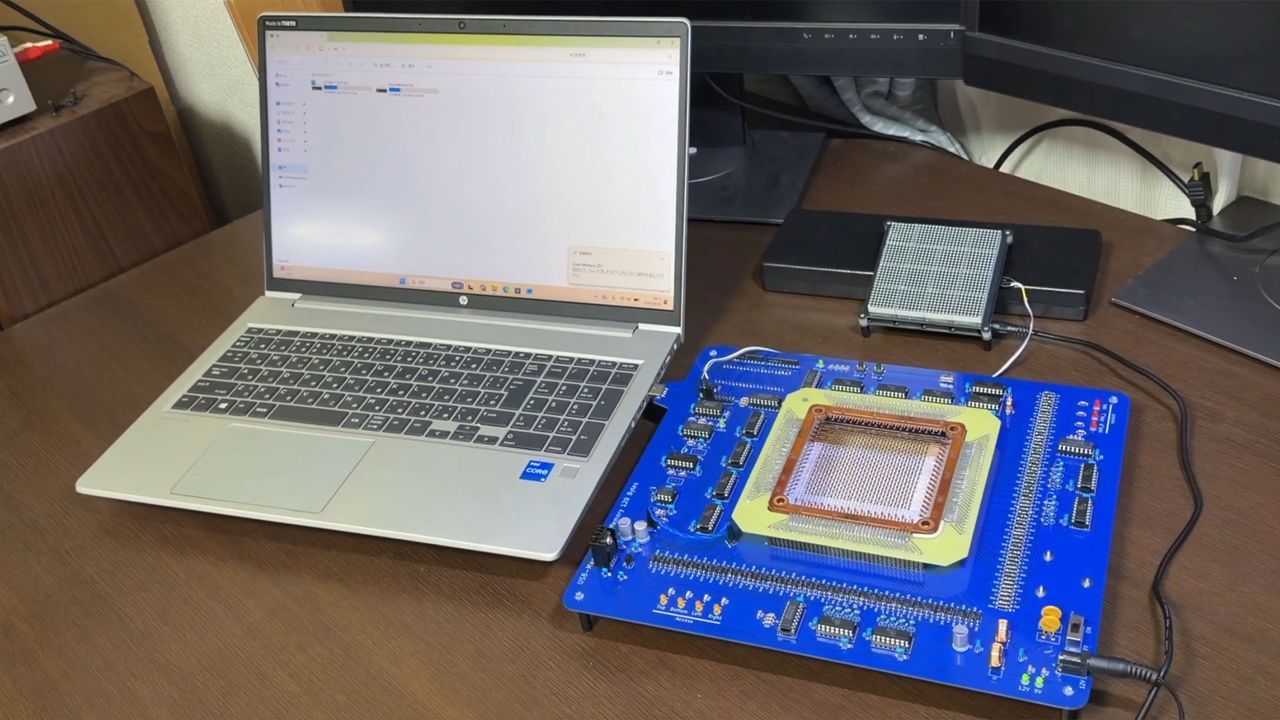
The key to this feat lies in an unconventional piece of hardware: a homebrew, dinner-plate-sized magnetic core memory storage device. This peculiar gadget, built upon ancient pre-semiconductor magnetic core memory technology, was repurposed as a “sneakernet” device—a physical intermediary for transferring data between two different PCs.
This endeavor was a playful yet profound effort to rekindle interest in archaic computer memory technology. While modern storage solutions are sleek and fast, this project resurrected a system that, for two decades, dominated random-access storage in digital computers before being largely superseded.
The device itself presents a fascinating paradox. It is impressively small, roughly the size of a dinner plate, yet its capacity is astonishingly minimal, housing only 128 bytes of data. Furthermore, understanding the technology requires accepting its inherent quirks: the data stored is volatile, meaning it is erased once it is read, demanding careful handling for any transfer.
The demonstration of success was a visual treat. Using the device, the researcher was able to transfer a simple text file from one machine to another. The process was visualized via a system of LEDs, where each light corresponded to an individual magnetic core, glowing vividly red as the data was accessed.
The complexity of the operation was further highlighted when the researcher attempted a second transfer, including a monochrome bitmap image. Even with the severe limitations of the device’s limited memory space, the process demonstrated the viability of using this unique magnetic core technology for rudimentary data exchange.
This project serves as a powerful reminder that innovation often resides in unconventional spaces. By taking an artifact of history and applying modern ingenuity, researchers can unlock unexpected possibilities, proving that even the most archaic technologies hold surprising potential for novel applications.
Buy on Amazon
Credit