USB4 and TBT 5 push copper to its physical limits
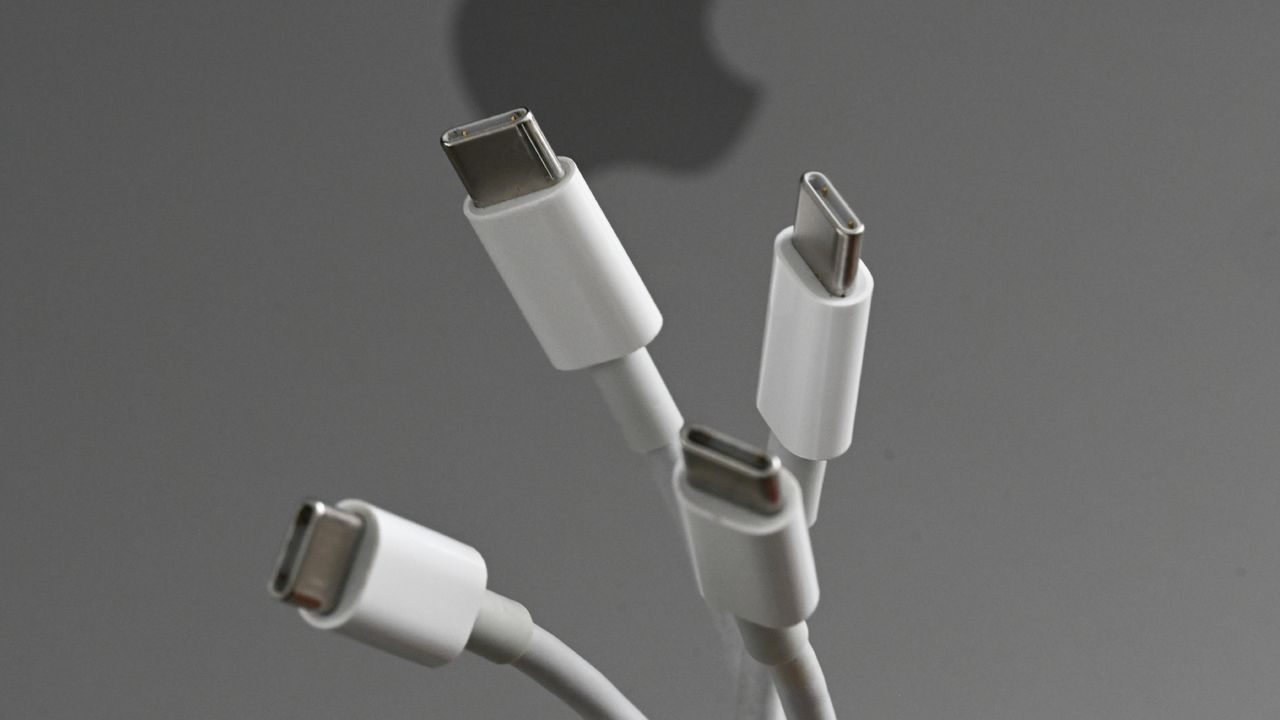
The Great USB Evolution: How Your Cable is Becoming a Superhighway
The simple USB connector, once relegated to tethering keyboards and mice, is undergoing a profound transformation. We are witnessing more than just incremental speed bumps; the entire USB ecosystem is preparing for a monumental shift, evolving into a high-bandwidth backplane that will redefine how laptops, desktops, and peripherals connect in the latter half of this decade.
This evolution centers on unlocking massive throughput. Think about the journey: starting with the humble 12 Mbps of USB 1.0, we progressed through 2.0 and 3.0, pushing speeds up to 20 Gbps. While backward compatibility kept everything running smoothly, the standard accumulated layers of optionality that made identifying true capability a confusing affair.
The game-changer arrived with USB-C in 2014, consolidating physical connectors and setting the stage for integrated high-speed transport. However, the real architectural leap came with USB4 in 2019, introducing a modular system designed to handle complex demands. USB4 established a foundation that allowed data and video signals—DisplayPort, PCIe, and USB packets—to tunnel simultaneously across a single connection.
But even this powerful architecture was initially constrained by implementation variability. While the standard promised impressive speeds like 40 Gbps, what you actually received depended heavily on the specific device’s certification. Many systems opted for slower modes, limiting the potential of the new framework. This fragmentation highlighted that future progress required strict, universal standards.
Enter USB4 Version 2.0 and Thunderbolt 5. These are not mere updates; they represent a massive leap forward. By employing advanced signaling methods like PAM3 modulation instead of older NRZ signaling, USB4 v2 doubles the throughput to a staggering 80 Gbps symmetrically. For demanding display-heavy workloads, it can even achieve asymmetric modes up to 120 Gbps.
Underpinning this speed increase is the ability for PCIe tunneling, which allows external SSDs and eGPU boxes to communicate with unprecedented speed directly through the port. This moves the USB-C connector beyond simple data transfer and turns it into a conduit capable of handling workstation-class bandwidth.
Thunderbolt 5 operates on this foundation, mandating full symmetrical 80 Gbps operation, PCIe Gen4 tunneling, and support for up to 240W charging. It acts as the ultimate expression of these capabilities, guaranteeing strict latency targets and ensuring that high-end systems can truly leverage the immense potential of the new physical layer.
As we look toward the future, the conversation is already shifting to the next frontier: what comes after 80 Gbps? Industry analysts are exploring signaling regimes beyond PAM3, potentially leading to USB5 and even PAM4. To handle speeds that challenge copper limits, optical cables are emerging as a viable alternative, embedding fiber transceivers directly into standard connectors.
The ultimate message is clear: the connector that began by simply replacing old serial ports is now evolving into one of the most capable physical interfaces in computing. In the coming years, this seamless connection will not just deliver data; it will act as a true extension of our internal system fabric, making high-bandwidth connectivity standard, not an optional luxury.
Buy on Amazon
Credit