Valve adding Index speakers and hot-swap batteries to Steam Frame strap coming soon
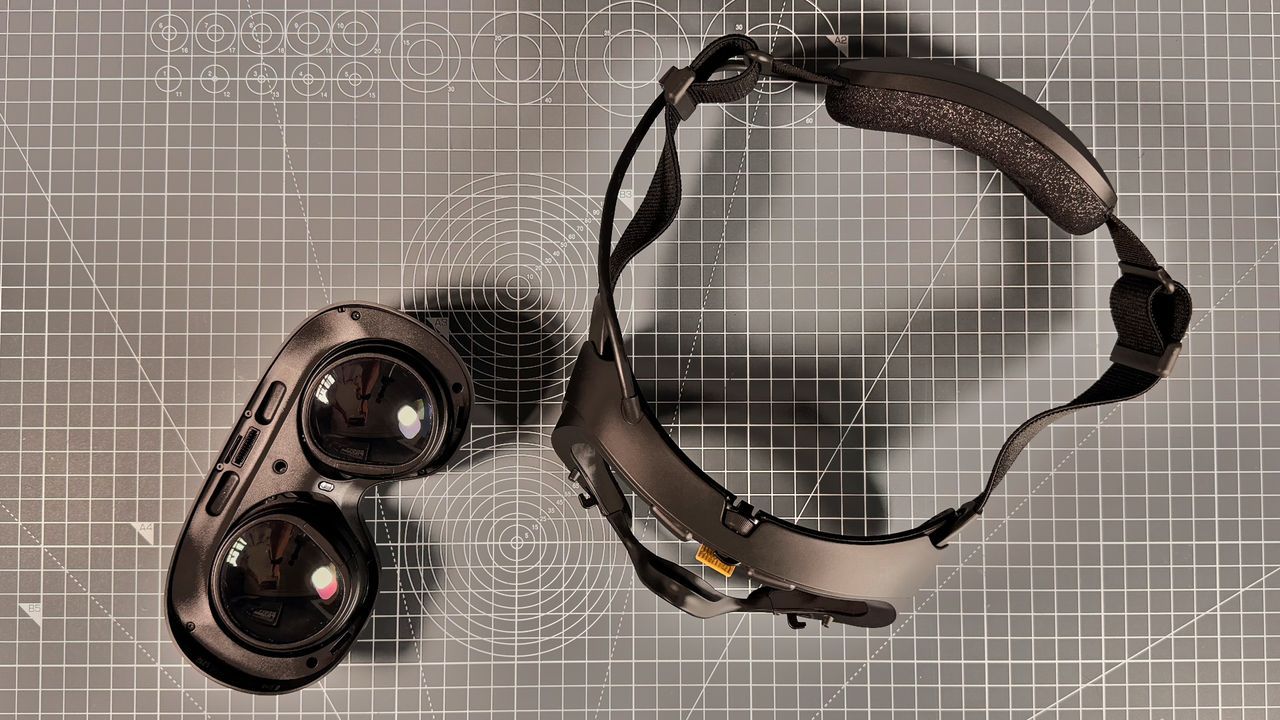
While the technology world constantly churns out new gadgets, some foundational innovations continue to hold a special place in our collective memory. For many, the Valve Index remains the benchmark for immersive audio: twin speakers that deliver incredible spatial sound without ever needing to touch your ears. Now, as we look at newer designs, the engineering philosophy behind that audio excellence is fascinating, especially when considering how Valve is tackling the next generation of PC VR hardware.
The Steam Frame, while functionally impressive, approaches modularity in a different direction. It’s designed to be highly adaptable, allowing users to quickly detach the core module—the brain of the device containing the chip, memory, and optics—from the head strap. This modularity itself is a triumph of design, allowing engineers to focus on thermal management and portability.
During early discussions about the Frame’s design, Valve emphasized that these physical limits—battery life and thermal management—would ultimately define the device’s performance. As one of the software engineers, Jeremy Selan, noted, the decision to separate the core module was rooted in prioritizing these essential physical constraints over simply fitting everything into a single housing.
But the true engineering magic lies in the future vision. Valve is already working on a first-party accessory designed to bridge the gap between the Frame’s structure and the legendary audio quality of the Index. This accessory is planned to integrate a set of Index-like off-ear speakers directly onto the headset.
The challenge, as often happens in cutting-edge hardware development, lies in blending form and function. The original speaker placement in the Frame presented a tricky technical hurdle. Because the core module houses sensitive tracking sensors, the vibration from the bass was causing the screen to jump, detracting from the intended immersive experience.
To solve this, the engineers implemented a clever workaround. By flipping the drivers, they managed to cancel out the disruptive vibration, achieving a balanced, open-ear audio experience. This solution allowed the sound to flow naturally, creating that sense of immersion—no longer feeling closed in or overheated, but simply enveloped in sound.
This focus on mitigating physical distractions while maximizing sensory input is what defines truly great hardware. The integration of superior audio, coupled with a modular structure, sets a high bar for what future VR and PC peripherals should achieve. The promise of bringing that flawless, spatial audio experience to the Steam Frame isn’t just an upgrade; it’s a complete sensory overhaul.
Buy on Amazon
Credit