Valve Frame price drop sparks memory crisis quote
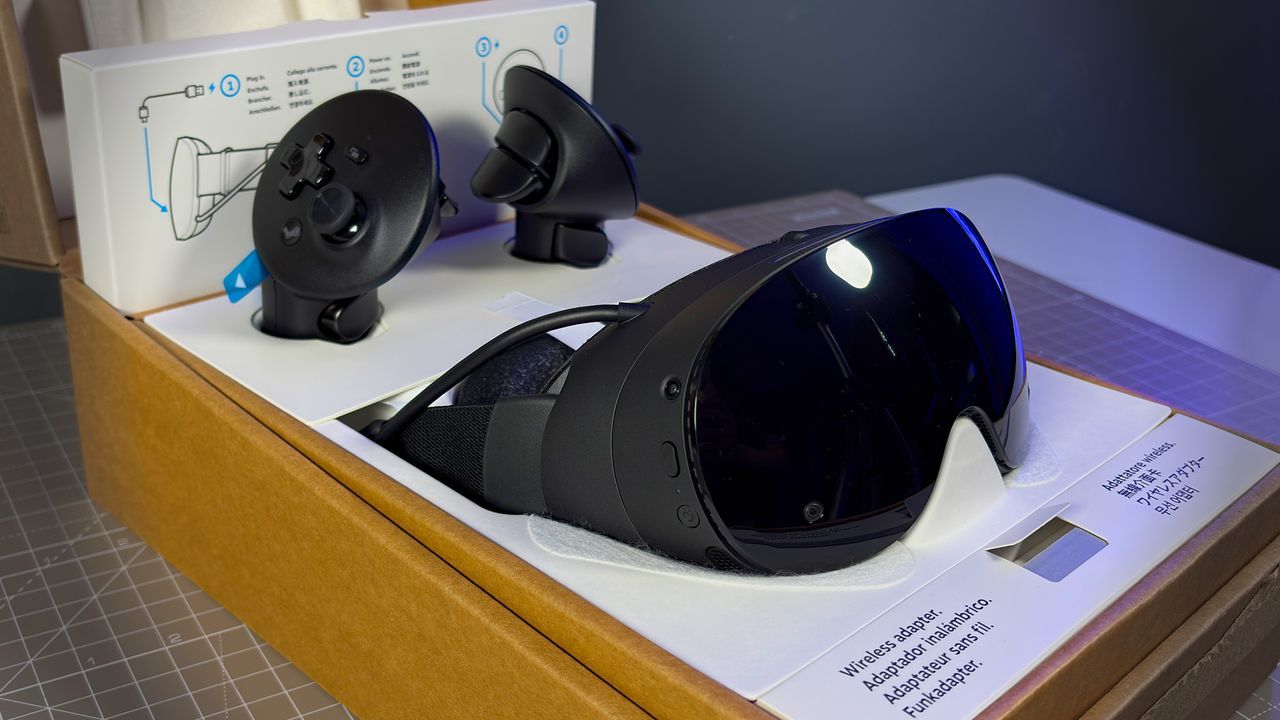
The Steam Frame Arrives: Weighing Innovation Against the Memory Crisis
After years of anticipation and navigating the treacherous waters of online communities, the Steam Frame has finally landed. Virtual reality hardware enthusiasts have been patiently waiting, and now, the virtual reality headset is ready to ship to customers. But as the excitement builds, it’s time to put the price tag squarely in the spotlight and consider what this new arrival means for the broader gaming hardware landscape.
The initial pricing for the Steam Frame reflects its position as a premium device. For those looking at the base model, the pricing starts around $1,059 USD, with options available for higher storage capacity, such as the 1 TB version at $1,299 USD. Adding the essential Ergonomic Accessories Kit, which includes straps and head support, brings the total cost up by $49 USD.
Naturally, these figures immediately spark debate. Many observers wondered if this price point aligned with expectations, especially considering the recent global memory crisis that has impacted the entire technology sector. This tension between cutting-edge hardware and economic reality is a defining feature of the Steam Frame’s launch.
The journey to this launch involved more than just engineering; it involved a frank conversation with the developers themselves. Ahead of the release, Valve engineers spoke about the project, focusing heavily on the impact of the ongoing resource scarcity on their design choices. They confirmed that the initial goal was to create a product with great performance and upgrade potential, but the shifting market dynamics meant the final price target adjusted accordingly.
One engineer reflected on this challenge, noting that while they aimed for a specific price, they made choices to ensure the hardware remained choiceful and expandable. They acknowledged that forecasting component costs remains an ongoing hurdle, emphasizing that while they are happy to launch new hardware, the broader economic environment is certainly disappointing for everyone.
The technical specifics of the Frame also offer an interesting comparison to its rivals. The Steam Frame utilizes 16 GB of LPDDR5X RAM, a significant difference when compared to the 8 GB of LPDDR5 RAM found in competing devices like the Meta Quest 3. This difference in memory architecture contributes to the premium cost, highlighting that the decision to prioritize performance and future-proofing comes with a tangible financial consequence.
While the Steam Frame offers compelling fidelity, the market remains competitive. Competitors like Meta continue to invest billions into their Reality Labs division, which fuels their headset market. This massive investment gives them significant financial leverage in the hardware space, making the choice for consumers—whether to invest in the Steam Frame or a competitor—a genuinely tough one.
Ultimately, the Steam Frame arrives as a powerful statement about what is possible in VR hardware. It represents an exciting leap forward, but it also serves as a potent reminder that technology often exists at the intersection of innovation, engineering, and economics. For potential buyers, the decision boils down to balancing incredible performance against the current economic climate.
Buy on Amazon
Credit
