Valve scrapped bulky VR headsets and went back to the drawing board
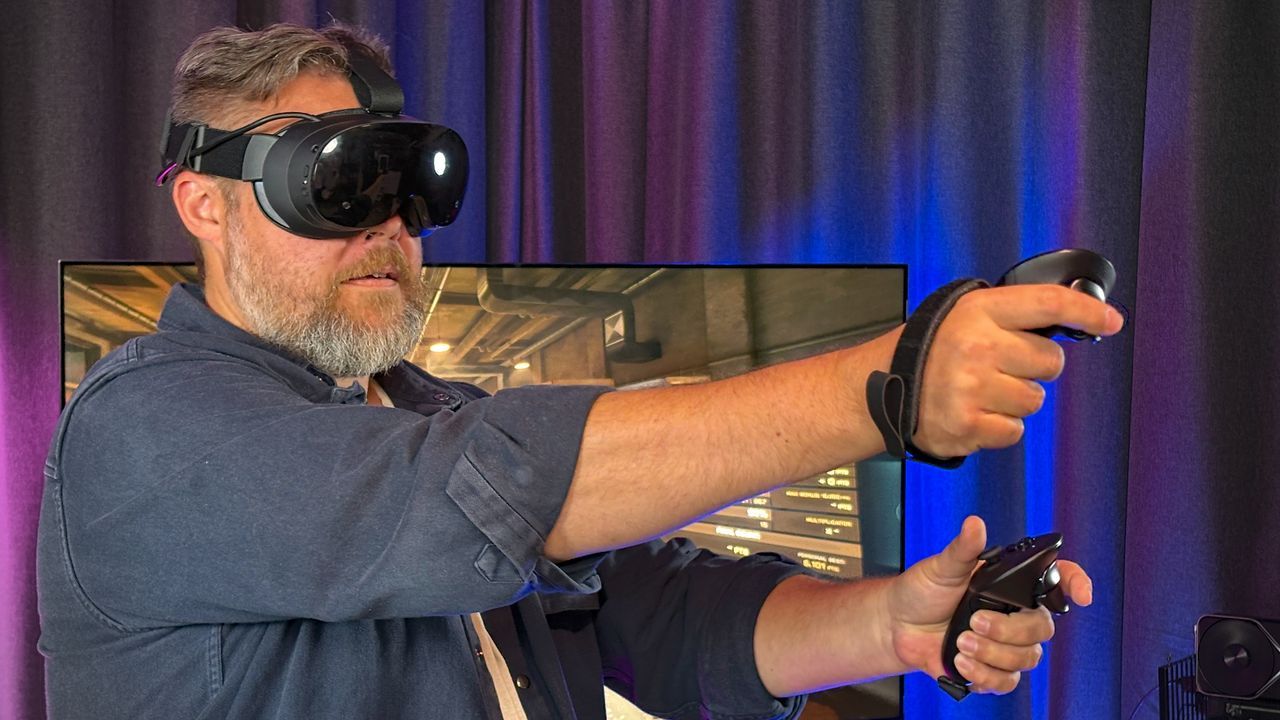
The Great VR Pivot: How Valve Built the Steam Frame from a Mountain of Ideas
There is a certain kind of satisfaction that comes from innovation, especially when it involves pushing the boundaries of what we thought was possible. That’s the story behind the Steam Frame, a VR headset that doesn’t just redefine gaming hardware, but represents a significant shift in how we approach virtual reality. It’s a device that manages to blend the power of PC gaming with the freedom of standalone freedom, all wrapped up in a package that feels surprisingly comfortable—though, as its creators admit, the price tag remains a point of discussion.
But the journey to this sleek device wasn’t a straight line. When speaking with the engineers at Valve, Joy Lyons and Jeremy Selan, the story quickly pivoted from pure hardware design to a complex equation involving market realities and technological evolution. They revealed that the current iteration of the headset is the result of a deliberate decision to abandon earlier, bulkier concepts in favor of something truly revolutionary.
Years ago, Valve had developed VR headsets that were functional, but they were undeniably cumbersome. Describing those earlier designs, Selan noted, they resembled older, larger systems like the Valve Index. “We had the headsets ready three, four years ago,” he explained, “but we made the tough decision to pull the plug on those designs. We realized we wanted something fundamentally different for the next generation of VR.”
The decision to wait was driven by a confluence of factors: the challenging economic landscape for VR hardware and the broader concerns about declining sales. Valve recognized that releasing new hardware at that moment might not have been the optimal time. The focus shifted away from simply launching new tech and toward perfecting the experience.
This wasn’t just a hardware challenge; it was a software triumph. To achieve the lightweight, comfortable design that defines the Steam Frame, the engineers had to go back to the drawing board, endlessly optimizing the trade-offs between power, battery weight, cooling, and thermal management. However, the real magic came from the groundwork laid by Valve’s previous software innovations. As engineer Joy Lyons pointed out, the success of the hardware hinged on the sophisticated work done with emulation and operating systems.
Their prior work with the Steam Deck, Proton, and SteamOS provided the necessary foundation. This experience taught them how to manage complex system trade-offs, which directly informed the design of the new device. They leveraged this knowledge to create new solutions, including FEX (allowing x86 games to run on ARM hardware) and Lepton (allowing Android games to run seamlessly on the SteamOS platform).
This nexus of hardware and software capability is what makes the Steam Frame unique. It acts as a bridge, offering the seamless ability to stream games wirelessly from a PC while simultaneously functioning as a standalone device. More impressively, it translates the wealth of content from the Meta Quest and its Android-based Horizon OS, allowing users to access that ecosystem directly through Steam. It’s a portal, connecting disparate gaming worlds into one unified virtual space.
The ultimate goal, it turns out, wasn’t just to create a piece of hardware; it was to create a genuine nexus point for virtual reality. It is a device that allows users to stop focusing on the minutiae of engineering and simply have fun. As one engineer put it, when the system finally worked as intended, the focus shifted entirely from nitpicking details to pure enjoyment.
Buy on Amazon
Credit