Valve warns memory crisis is worsening and prices will rise
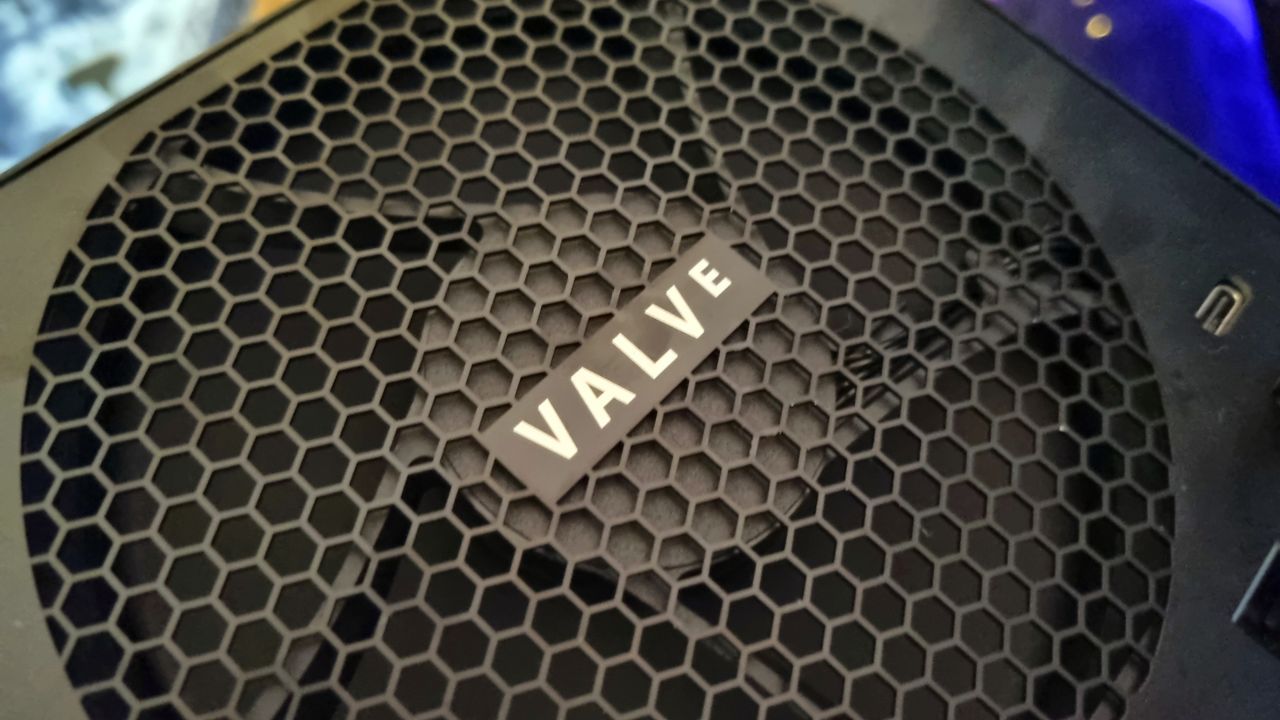
The pursuit of a dream gaming PC has become an increasingly expensive quest. As the AI boom drives demand for powerful graphics cards, memory sticks, and other essential components, building a modern gaming rig is no longer a cheap endeavor—it’s becoming an eye-wateringly costly affair.
For those who have waited patiently hoping these prices will settle down, the reality is that moderation looks increasingly unlikely. Recent research paints a sobering picture for the hardware market, predicting that memory prices are set to rise sharply between now and 2027, with no expectation of any reduction until 2028.
Even the heavyweights of the gaming industry are grappling with this supply chain turbulence. Valve, the company behind the massive Steam platform, has weighed in, offering a candid assessment of how these economic shifts affect their vision for open-source gaming and hardware development.
Valve engineer Yazan Aldehayyat reflected on the situation, noting that prices are still trending upward in the short to medium term. “Honestly, it’s still getting worse,” he explained. He observed that what consumers see on retail shelves is lagging behind the bulk supply chain by at least three to six months.
This scarcity wasn’t just an abstract economic issue; it had tangible consequences for projects like the Steam Machine. When initial hardware was being built, memory availability proved to be a critical bottleneck. As fellow engineer Pierre-Loup Griffais pointed out, they were inherently limited by capacity: “We’re basically building everything we can. We’re limited by memory capacity, for sure.”
Despite these supply challenges, Valve maintained their focus on the long game. They emphasized that the memory crisis did not alter their plans for future hardware developments or the trajectory of the Steam Machine itself. As users began to receive their machines and start experiencing the full breadth of the experience, the focus shifted toward sustained development.
Beyond component shortages, Valve also used this conversation to discuss broader philosophical decisions regarding platform exclusivity. The company detailed why they opted against launching an exclusive game for the Steam Machine, stressing their preference for offering players access to the entire PC catalog. This reflects a commitment to open-platform gaming where content reigns supreme.
Ultimately, Valve’s view is that the greatest success lies not in raw sales figures but in solving real problems for gamers. They suspect the Steam Machine is succeeding by providing a viable option for open-source PC gaming in living rooms, which they believe addresses a very real need.
Buy on Amazon
Credit
