Video game villains who sing at you
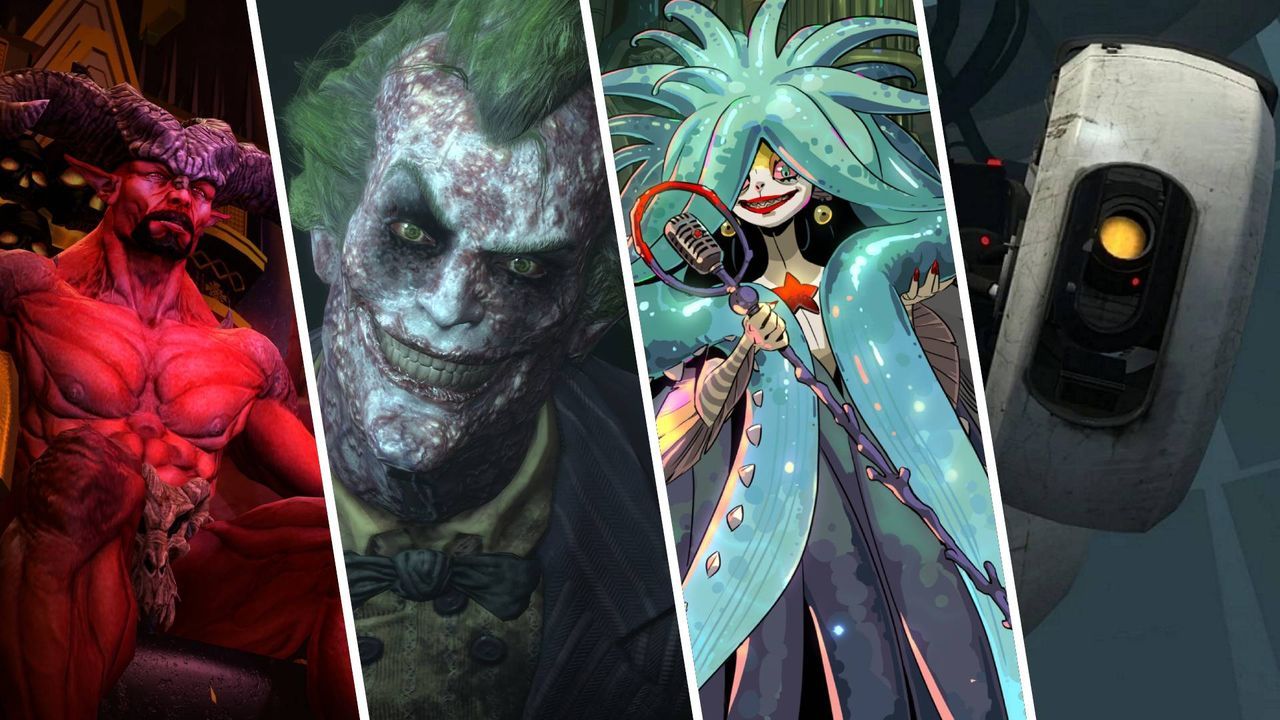
The Soundtrack of Sin: When Video Game Bosses Hit the High Notes
There is a certain magic in a well-timed performance, and in the world of video games, that magic often comes from the unexpected. Lately, we’ve seen a fascinating trend emerge: the villains and bosses who rule the screen aren’t just demanding your defeat—they are singing it. Forget traditional dramatic monologues; these game antagonists have stepped onto the stage, turning boss battles into theatrical events where musical performance is just as critical as the combat.
This delightful trend turns brutal gameplay into a bizarre, yet strangely captivating experience. It suggests that sometimes, the most effective way to deliver evil is through a catchy tune, and the resulting encounters are less about frustration and more about memorable absurdity.
From the depths of mythology to the neon glow of arcade classics, the musical chaos has spread across the gaming landscape. Consider the randomized orcs in Middle-earth: Shadow of War. They don’t just charge; they kick out a lute, bellowing “tra-la-la!” as they face you, adding an entirely new layer of theatricality to the chase for victory.
The siren call of musical menace continues into darker realms. In Hades 2, the band Scylla, Jetty, and Roxy are perpetually trying to entertain their legion of shades, but a witch constantly interrupts their show. Their haunting songs become the very echoes that propel you forward as you navigate the shadows of Hades.
Even some deeply complex narrative villains embrace the spotlight. Raphael, the devil in Baldur’s Gate 3, doesn’t just demand your attention; his agent sings when initiative is rolled, turning a high-stakes confrontation into a performance filled with dramatic flair and theatrical energy—a perfect encapsulation of a flamboyant, Disney-esque villain.
The criminal underworld also finds a musical rhythm. The Joker across the Arkham series delivers unforgettable moments, culminating in Mark Hamill crooning “Only You” over credits, or Professor Pyg embracing opera during his boss fights. These performances highlight how music can redefine a character’s presence from menacing threat to charismatic spectacle.
The phenomenon is rooted in making the experience reactive and memorable. In Portal, GLaDOS’s passive-aggressive song Still Alive redefined her character far more effectively than any dialogue, turning years of experimentation into a deeply layered emotional performance. Similarly, in Borderlands: The Pre-Sequel, the frustratingly catchy “ohrwuhrm” earworm manifests as Teh Earworm, a gigantic monster blaring a persistent tune that sticks with you long after the battle is won.
The musical theme isn’t confined to evil; it can be found everywhere. Even in the world of physics-defying arcade games like Total Distortion, the guitar warriors and their minions turn gameplay into a frantic rhythm game where failure means joining the sonic assault. And even the silly side quests reflect this musical obsession, as you fight to banish a catchy tune from Claptrap’s head.
Ultimately, these musical encounters succeed because they break the mold of expectation. They transform standard combat into an interactive theater, proving that sometimes, the most memorable villains are those who know how to hit a high note.
Buy on Amazon
Credit