Videogames solved politics: The answer is ultra-mega-communism
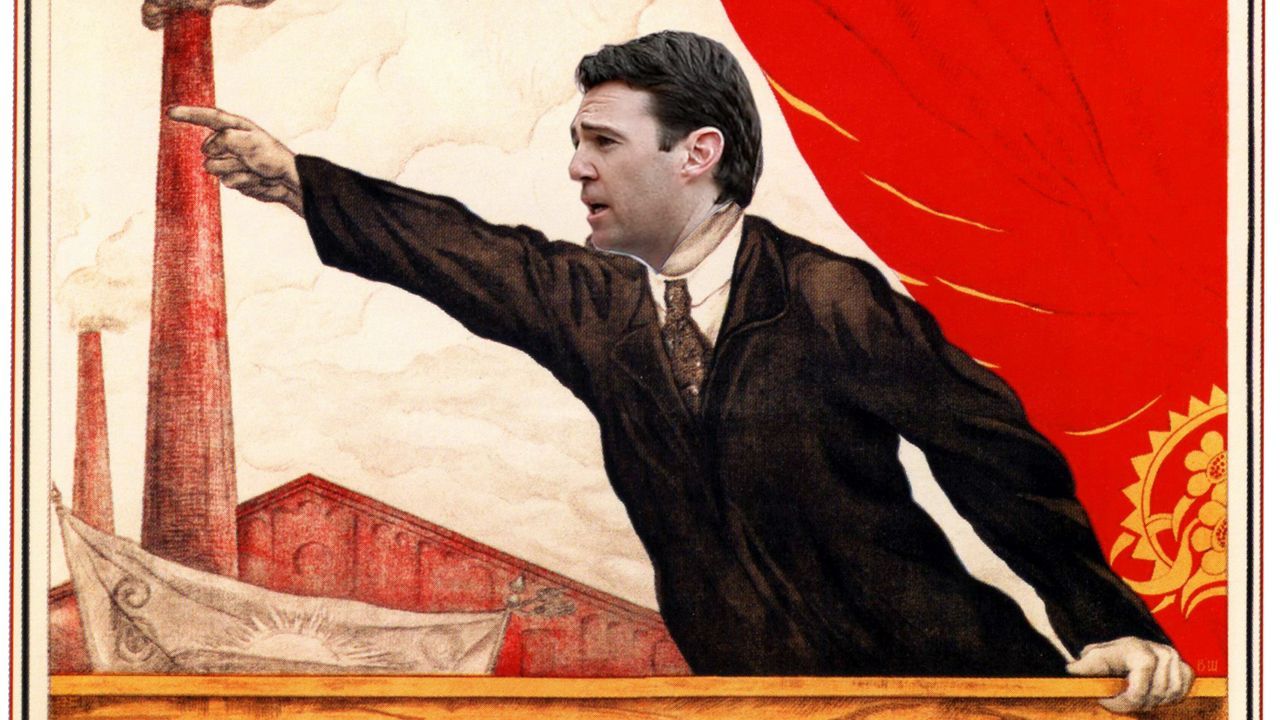
In an age where politics often feels like a high-stakes game of psychological chess, some leaders are looking beyond traditional polling to measure public sentiment on entirely new axes. For one figure at the helm of a volatile nation, those metrics are rapidly becoming more dramatic than ever.
As the political landscape shifts, the focus moves from simple approval ratings to understanding the deep currents of popular discontent. The tension is palpable, with the streets buzzing with a mix of rebels and malcontents, setting the stage for an election that promises seismic change.
To navigate this turbulent environment, some are turning to the cutting edge of technology. Imagine using advanced political simulation models to test radical theories—not just for theoretical exercise, but as a means to plot the most effective path forward. This approach transforms complex policy planning into a high-stakes strategic challenge.
One such endeavor involves creating intricate digital replicas of nations, allowing policymakers to test scenarios ranging from economic restructuring to profound social upheaval. These simulations allow for fine-tuning variables—like public sentiment, national debt, and social pressures—to forecast the trajectory of radical political change.
When applied to a complex scenario like the United Kingdom, these models reveal fascinating insights into how deeply intertwined economic and political forces truly are. By inputting real-world factors, such as public leanings toward socialism or liberalism, the simulations provide a realistic—if dramatic—roadmap for potential futures.
The process is not without friction. While technology offers clarity, bridging the gap between theoretical modeling and lived reality requires finding the right blend of data and human understanding. The challenge lies in injecting not just numbers, but the subtle social and political ‘spirit’ that defines a nation.
Some suggest that true transformation requires more than just economic tweaks; it demands a fundamental rethinking of societal structures. This involves addressing deep-seated issues surrounding wealth distribution, national security, and the role of the state itself.
The resulting strategy often necessitates bold, uncompromising policy moves. When faced with entrenched interests, the path forward can seem stark: challenging established power structures through radical action to incite necessary change.
Ultimately, the political journey remains intensely personal. Whether driven by data or conviction, navigating the currents of history and public opinion requires immense resolve. The outcome, however, hinges on whether those calculated moves resonate with the spirit of the people.
Buy on Amazon
Credit
