
Virtual pigeons deliver slow messages and get distracted
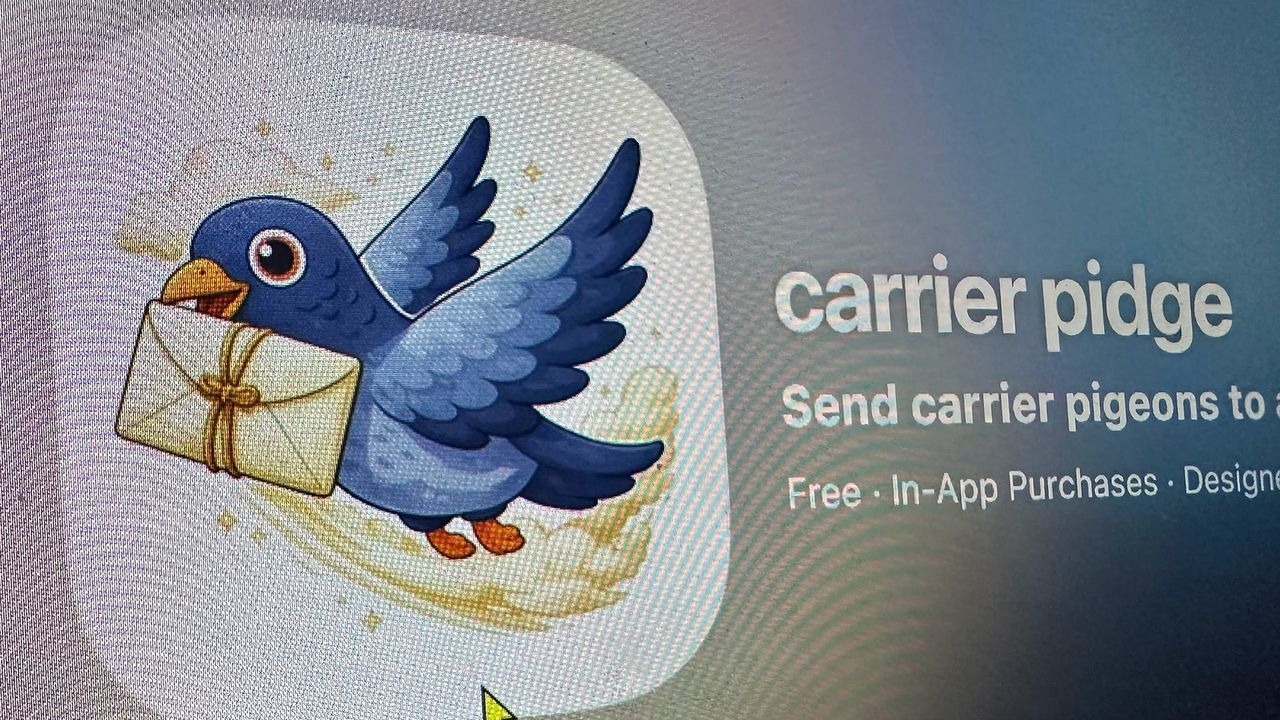
In a world defined by instant messaging and the relentless, high-octane pace of modern life, what if communication could slow down? Developer Noah Larrobino has thrown a delightful curveball at the digital world with Carrier Pidge”>Carrier Pidge, an application that reimagines electronic communication by sending messages at the leisurely, yet grand, speed of a carrier pigeon.
This isn’t just another messaging app; it’s an exercise in delightful absurdity. Spent three weeks crafting this concept, Larrobino managed to build a system where messages travel not through fiber optics but through simulated avian flight, effectively stretching time and distance for the recipient.
The core genius of Carrier Pidge”>Carrier Pidge lies in its unique mechanics. When you send a message to another user, it doesn’t flash instantly; it is dispatched at pigeon speed, simulating real-world travel times based on GPS locations. For instance, a message traveling from Los Angeles to New York might take approximately 22 hours to arrive—a stark contrast to the split-second delivery we expect today.
Adding another layer of realistic chaos, the flight path is anything but straight. The app incorporates features where the journey itself becomes unpredictable. As your message traverses the digital ether attached to a virtual bird’s ankle, other birds can get distracted, slowing their progress by as much as twenty-five percent. This introduces a wonderfully chaotic element to every transmission.
For those who enjoy monitoring the journey, the app provides a real-time flight tracker. Users can follow their digital couriers as they navigate the skies, seeing estimates for destinations like the UK, providing fascinating, albeit fictional, updates on where the message is in transit.
But realism extends beyond mere tracking. The experience of sending via Carrier Pidge”>Carrier Pidge comes with a healthy dose of uncertainty. There is a 0.2% chance that the virtual pigeon could get lost along its route, meaning there is no guarantee your message will reach its intended destination. This introduces a beautiful degree of plausible deniability regarding delayed or missed communications.
Even more dramatically, developers have incorporated the possibility of avian fatality. The system models the risks inherent in long-distance travel, acknowledging that sometimes the virtual bird might simply succumb to the journey. This commitment to detailing potential hazards—loss and death—elevates the app from a simple novelty to a surprisingly grounded simulation of real-world logistics.
To further embrace this avian adventure, users can expand their digital aviary by unlocking up to ten extra pigeons, offering endless possibilities for message delivery. While currently debuting on the Apple App Store, Larrobino is already planning to bring this airborne communication concept to Android enthusiasts soon.
Buy on Amazon
Credit