VR Shipments Plunge 18% What it means for Valve
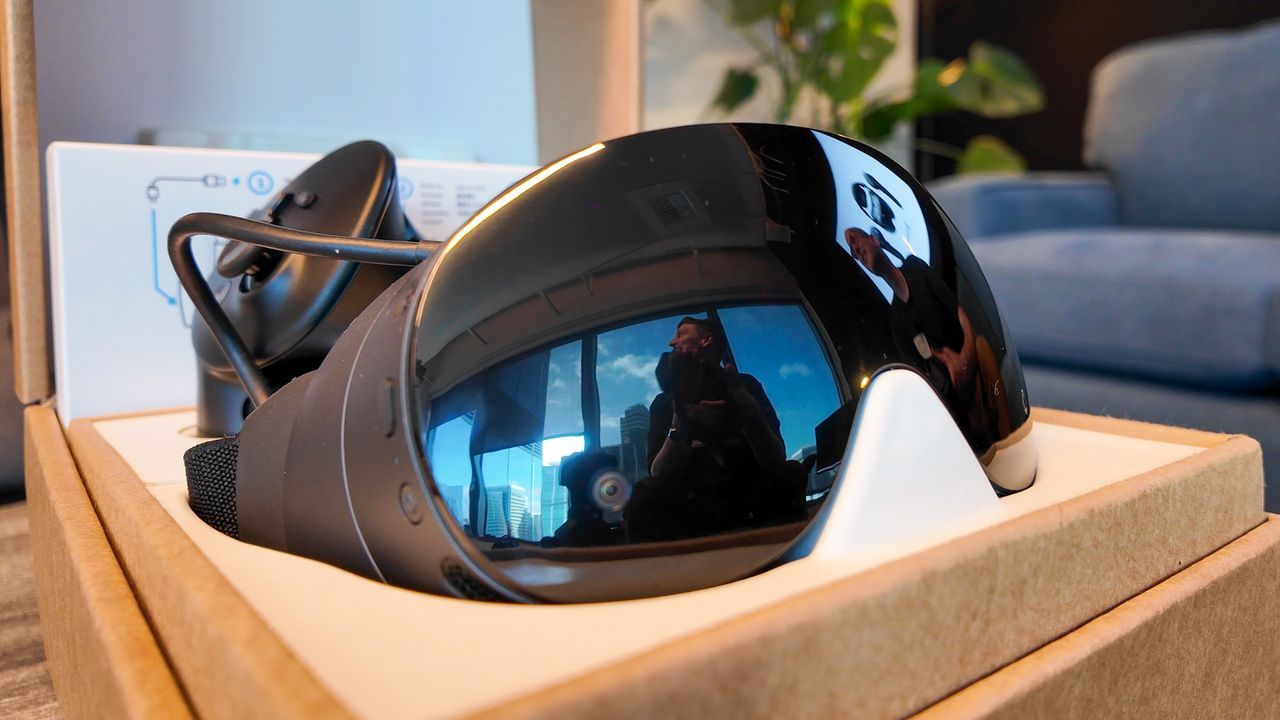
The virtual reality landscape, once buzzing with revolutionary potential, is currently navigating a challenging phase. Despite continued technological leaps, the hardware market is facing headwinds, as global shipments of VR headsets saw an 18% decline year-on-year in the second quarter of 2026.
This cooling trend isn’t just a niche concern; it reflects broader pressures felt across consumer electronics. VR equipment is wrestling with the same pricing pressures as other consumer hardware, exacerbated by the ongoing memory supply crisis. Major players, like Meta, have been forced to raise prices on devices such as the Quest 3 and Quest 3S, making it harder for the market to recover.
The difficulty for VR hardware is compounded by a scarcity of major, must-have games. While titles like Half-Life: Alyx remain revered benchmarks, the absence of new, compelling content contributes to slower consumer demand for the physical headsets themselves.
Yet, the story of spatial computing is not entirely bleak. While the consumer VR market cools, the demand from businesses is robust. Enterprises and governments are proving less price-sensitive when adopting VR for digital twin technologies and spatial computing to tackle operational challenges and boost productivity. This demand is expected to grow further, particularly as the robotics industry, especially in China, drives innovation in VR data collection and remote robot control.
In sharp contrast to the VR slowdown, augmented reality (AR) devices are experiencing a massive surge. Global shipments of AR devices exploded by 138% year-on-year and 10% quarter-on-quarter in Q2 2026. This phenomenal growth is fueled by exciting new product launches, aggressive international expansion by Original Equipment Manufacturers, and promotional campaigns across regions like China.
Meta currently dominates the AR/VR OEM space, holding a 54% share in the second quarter of 2026. However, this dominance comes with a cost. Beyond the hardware, there are serious concerns surrounding the privacy implications of devices like Meta’s smart glasses and the substantial financial investment required by Reality Labs. These concerns highlight the need for a careful balance between technological advancement and user trust.
For hardware enthusiasts, the question now turns to ecosystem stability. With the memory crunch impacting gaming PCs, the focus shifts to how platform owners can keep the momentum going. If Valve can effectively integrate their latest VR challengers, such as the potential release of Steam Frame, they may find a way to re-engage the cooling VR market. The real test will be whether old, celebrated titles can be leveraged to drive adoption and keep the VR revolution roaring.
Buy on Amazon
Credit