Wardogs players avoid one team: ‘They are the dumbest people’
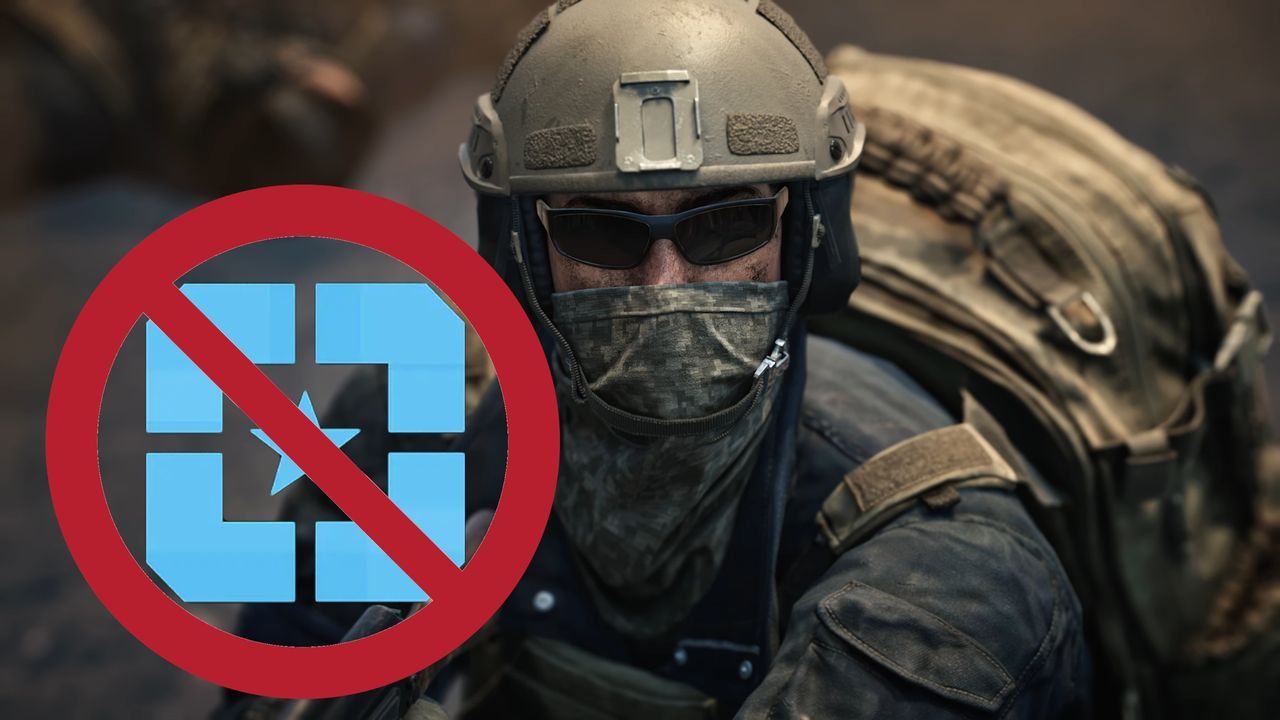
In the competitive landscape of online gaming, sometimes the most engaging battles are fought not with guns and strategy, but with reputation and collective frustration. This is particularly true in the world of Wardogs, where the simple act of team selection can ignite a community firestorm. One particular faction, the Lonestar team (Blue), has become a lightning rod for intense dislike, sparking theories that range from game design flaws to self-fulfilling prophecy.
The friction often begins before the match even starts. For some players, the experience of selecting a team can feel like a deliberate act of defiance. While other factions, like Manticore (Green) and Valkyra (Red), fill their spots readily, the blue option often draws a chorus of resistance. This standoff—where players actively try to avoid the Blue team—highlights how social dynamics can interfere with the pure enjoyment of a competitive game.
The notoriety surrounding Lonestar is more than just a passing joke; it has cemented itself within the community. This isn’t just about poor performance; it’s about a shared, often exaggerated, narrative that has developed around the team’s presence. Some players have shared anecdotes about the frustrating realities of playing on the Blue side, noting delays and a general sense of reluctance that seemed to slow down the entire process.
This perception is fueled by a variety of factors, some rooted in the game’s mechanics and design, and others in the psychology of the players themselves. One popular theory suggests that the Lonestar faction is fundamentally disadvantaged. Discussions point to design elements, such as the color schemes worn by team members, and potential camouflage issues that might make Blue teams inherently easier targets in open environments. Whether this is a deliberate design choice or a simple observation of pattern, it certainly fuels the conversation.
Another compelling theory revolves around the map geometry itself. The positioning of the factions across the map—with Lonestar situated in a corner while the other teams occupied the West and East—has led some to speculate that Blue teams face a structural disadvantage, potentially setting them up for a two-front war. While the alignment isn’t perfectly symmetrical, the idea of a positional disadvantage is a talking point that continues to circulate among players.
Perhaps the most fascinating aspect of the Lonestar phenomenon is the self-fulfilling prophecy. When a community develops a strong negative reputation for a group, it can unintentionally dictate the experience for those within that group. If players collectively decide to avoid Blue, and if that avoidance leads to less experienced players filling those spots, the perceived infamy becomes a self-perpetuating cycle. It raises a compelling question: does online reputation truly shape the reality of the game?
Ultimately, the Wardogs experience reminds us that the digital world is often more than just pixels and code. It is a complex ecosystem where design choices, player psychology, and shared social narratives all intersect. Whether it’s a team selection drama or a large-scale community debate, the story of Lonestar reveals the powerful, often humorous, way that people build and perceive their shared digital worlds.
Credit