Wardogs sells 1M copies a bright spot for shooters
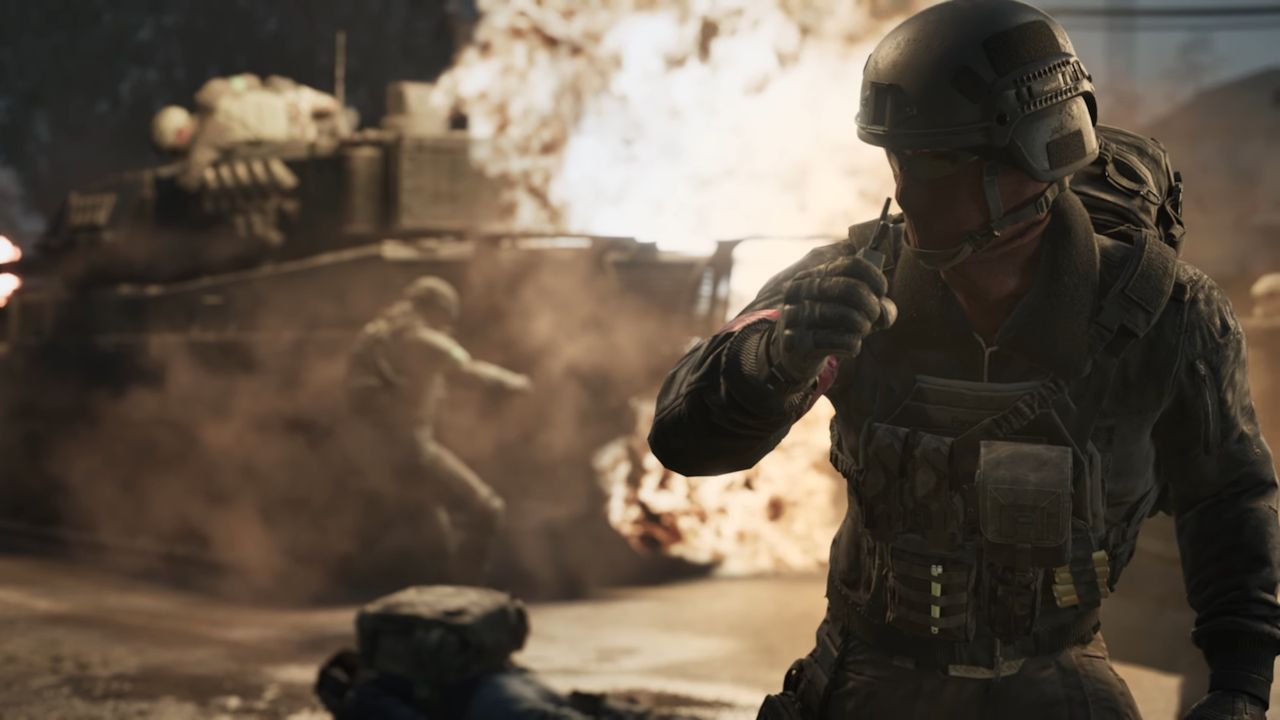
When a game launches, the ensuing chaos is often as entertaining as the game itself. This was the case with Wardogs, an ambitious multiplayer FPS that has quickly carved out a massive niche in the competitive shooter scene. The anticipation reached fever pitch during its beta weekend, drawing half a million players to test the waters. The resulting flood of players, however, tested the limits of the infrastructure, causing the game’s servers to buckle under the sheer weight of enthusiasm.
The rush was intense. When the game transitioned to early access, the demand was overwhelming, leading to a momentary, dramatic collapse of the servers as hundreds of thousands of players attempted to join the fray simultaneously. Amidst this digital maelstrom, developer Bulkhead chose a remarkably calm response. They decided to played it cool, monitoring the systems while simultaneously enjoying the spectacle of the community engaging with their creation.
This moment of calm came amid a whirlwind of varied reactions, including some critical noise regarding the server difficulties. While some may have expected a flurry of apologies, the studio’s measured approach suggested they were focused on the experience rather than just the technical hiccups.
It is heartening to see Wardogs emerge as a clear hit in the often-challenging world of new competitive shooters. The broader landscape for new FPS titles has been bumpy; some ambitious projects, like Highguard, failed to build a sustainable player base despite initial passion, leading to shutdown. Even acclaimed titles like Marathon struggled to match the player engagement of established behemoths like Destiny 2.
Other promising experimental shooters, including Last Flag and Empulse, also encountered hurdles in attracting a steady audience. This context makes Wardogs’ explosive initial success all the more noteworthy.
So, what is the secret ingredient to Wardogs’ momentum? It lies in its unique design philosophy. By blending the tactical scope of ArmA and the arena action of Battlefield, Wardogs offers players a truly laissez-faire environment. Instead of strictly forcing teams to coordinate, the game incentivizes cooperation through a clever monetary mechanic. Players can bribe teammates for essential services, such as paying medics to revive them, or securing helicopter rides into battle, turning simple transactions into essential tactical decisions.
This dynamic system allows players to engage with the massive 100-player battlefields on their own terms, fostering organic cooperation rather than enforced teamwork. It transforms simple interaction into meaningful, memorable moments.
The crucial question now is whether Wardogs can maintain this incredible momentum as the market continues to evolve. With major titles like Grand Theft Auto 6 and Call of Duty: Modern Warfare 4 looming on the horizon, competition will intensify. Yet, the fact that Wardogs is successfully competing in this space with established franchises indicates just how strong its current foothold is. It stands as a testament to the power of innovative gameplay mechanics in the fast-paced world of FPS.
Buy on Amazon
Credit