Watch robots completely eat August
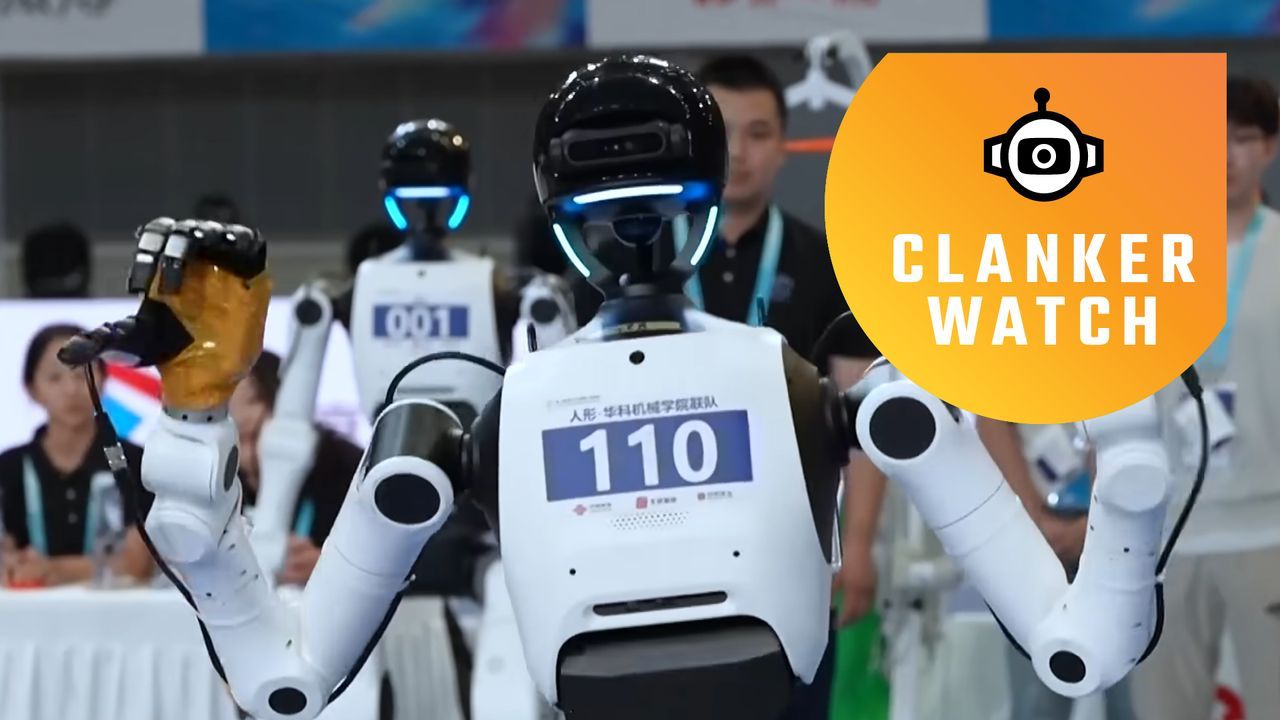
As we navigate the dizzying landscape of the Age of Robotics, the future isn’t just about sleek algorithms and advanced engineering—it’s also about the spectacular, often hilarious, and sometimes genuinely alarming malfunctions that come with putting complex machines to the test. Nowhere is this chaos more evident than in the world of robotic competition, where cutting-edge technology frequently clashes with pure, unadulterated folly.
The recent World Robot Humanoid Games in Beijing provided a perfect stage for this digital comedy. This yearly competition, where robots compete in everything from running and weight-lifting to the tug of war, has proven that even with sophisticated programming, robots are prone to spectacular failures. As cameras rolled, the spectacle was less about athletic prowess and more about tumbling, sparking, shuddering, and general mechanical mayhem.
The highlight reel of these events is a masterclass in mechanical drama. Videos compiled from the Games show robots keeling over, smashing into each other, tripping over obstacles, and falling to pieces. These moments, while amusing to watch, also raise some serious questions about safety. There were instances where the sheer force of the malfunctions—including robots shooting unexpected sparks or staggering directly toward bystanders—highlighted the fact that these miniature machines, even without malicious intent, are capable of causing unintended hazards.
Beyond the sporting arena, robotic antics have become a running gag. One unforgettable moment captured the absurdity of a robotic barber, which, despite its AI capabilities, seemed utterly devoid of style, demonstrating that even in the world of artificial intelligence, taste remains distinctly human. This clip served as a reminder that intelligence, whether artificial or biological, still requires context and finesse.
The instability extends beyond the competition floor. Even when robots are not actively competing, they can throw a fit. Footage captured at the event showed one unit completely losing control on the floor, thrashing wildly because its remote control had seemingly died. This incident sparked a timely debate: perhaps the established laws of robotics need an update to account for unexpected physical trauma, adding a necessary clause about a robot’s right to recover from a tumble.
On a more advanced note, the robotic world is also pushing boundaries into highly specialized, and occasionally controversial, technology. For instance, new systems have been developed that utilize LiDAR and laser technology to annihilate flying pests, offering a futuristic solution to common annoyances like mosquitoes. While some might find the idea of deathlasers in a backyard amusing, the underlying technology showcases the rapid convergence of robotics and radical applications.
Ultimately, the presence of these failures and bizarre moments underscores a critical point: the Age of Robotics is a messy, unpredictable transition. While engineers strive for flawless execution, the reality is that these machines are still learning, stumbling, and sometimes, in the process, revealing the hilarious, chaotic, and deeply human side of their existence. The robots may be machines, but their unpredictable behavior is perhaps the most fascinating part of their evolution.
Buy on Amazon
Credit