Waymo stops ghost gun riders in SF
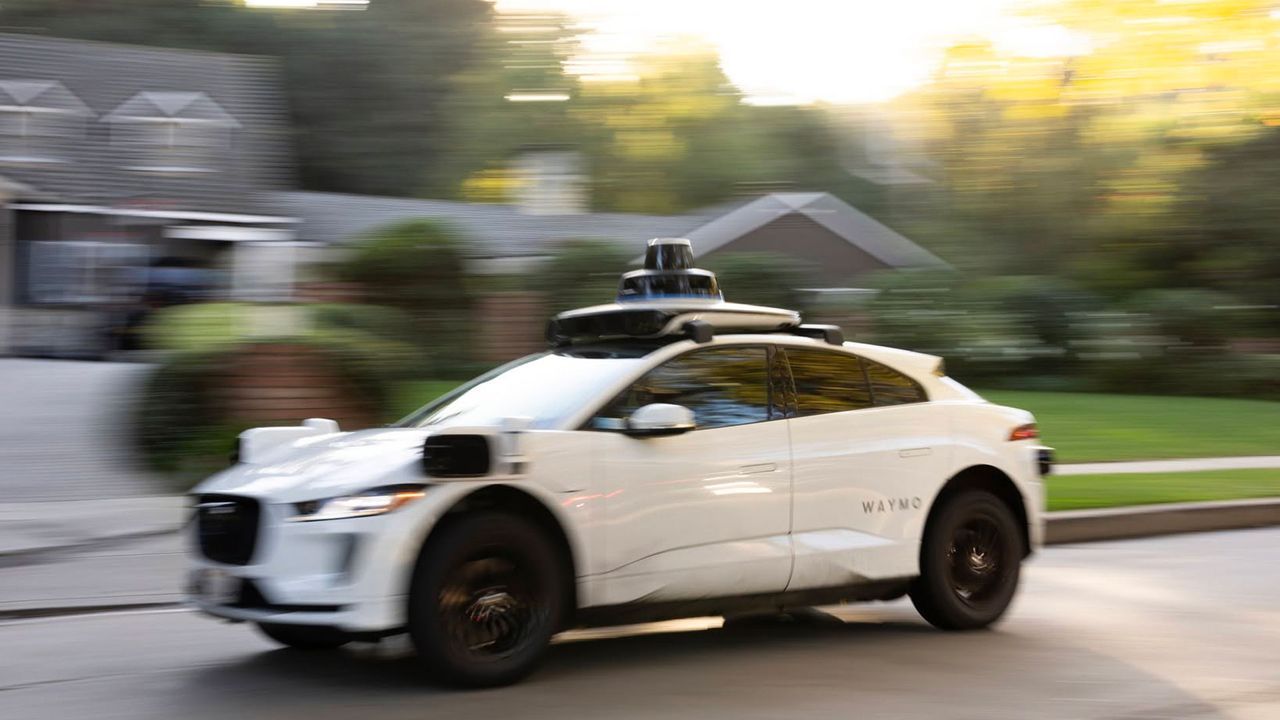
The future of transportation promises seamless, driverless journeys, yet when that future meets reality, sometimes the most sophisticated technology reveals the most unexpected stories. In San Francisco, the reality check came in the form of a police stop involving a robotaxi, bringing to light the complex intersection of autonomous driving, in-cabin monitoring, and juvenile lawbreaking.
Last week, San Francisco police initiated a “high-risk vehicle stop” after receiving a tip concerning a Waymo robotaxi. The discovery inside the vehicle was anything but routine. Officers found the two passengers in possession of what police suspected was a loaded AR-style assault rifle. Adding to the complexity of the situation, the search also uncovered suspected marijuana and mace spray, suggesting a night of dangerous and illegal activity within the vehicle.
This incident raises fascinating questions about the invisible technology embedded within autonomous vehicles. Waymo robotaxis rely on sophisticated sensors and in-cabin cameras to ensure passenger safety. While these systems are designed to monitor minor infractions—like seatbelt usage or smoking—the recent events suggest a different capacity: the technology may have flagged a more serious situation, potentially prompting a review of the scene or providing critical information that was later used by law enforcement.
The concept that the vehicle itself could act as an unwitting witness is becoming increasingly relevant. Investigators are examining how the in-car monitoring systems function and whether they contribute to the evidence gathered during these high-stakes stops. This raises a dialogue about the responsibility and scope of AI-driven surveillance in public spaces.
This is not an isolated event. The use of autonomous ride-sharing services in major metropolitan areas is rapidly expanding, with Waymo services now operating across San Francisco, Los Angeles, and various other cities. The growth of these services into areas like San Diego and Denver, and across international borders, underscores how quickly this technology is integrating into the fabric of modern life.
The attention to safety in autonomous vehicles is paramount, especially as these systems evolve. The narrative surrounding these robotaxis is shifting from simply discussing efficiency to exploring the intricate ethical and legal boundaries of fully autonomous travel. As these vehicles continue to navigate the roads, the lines between technological oversight and human law enforcement will continue to be keenly debated.
Buy on Amazon
Credit
