Why I never find $10k RAM in my garage
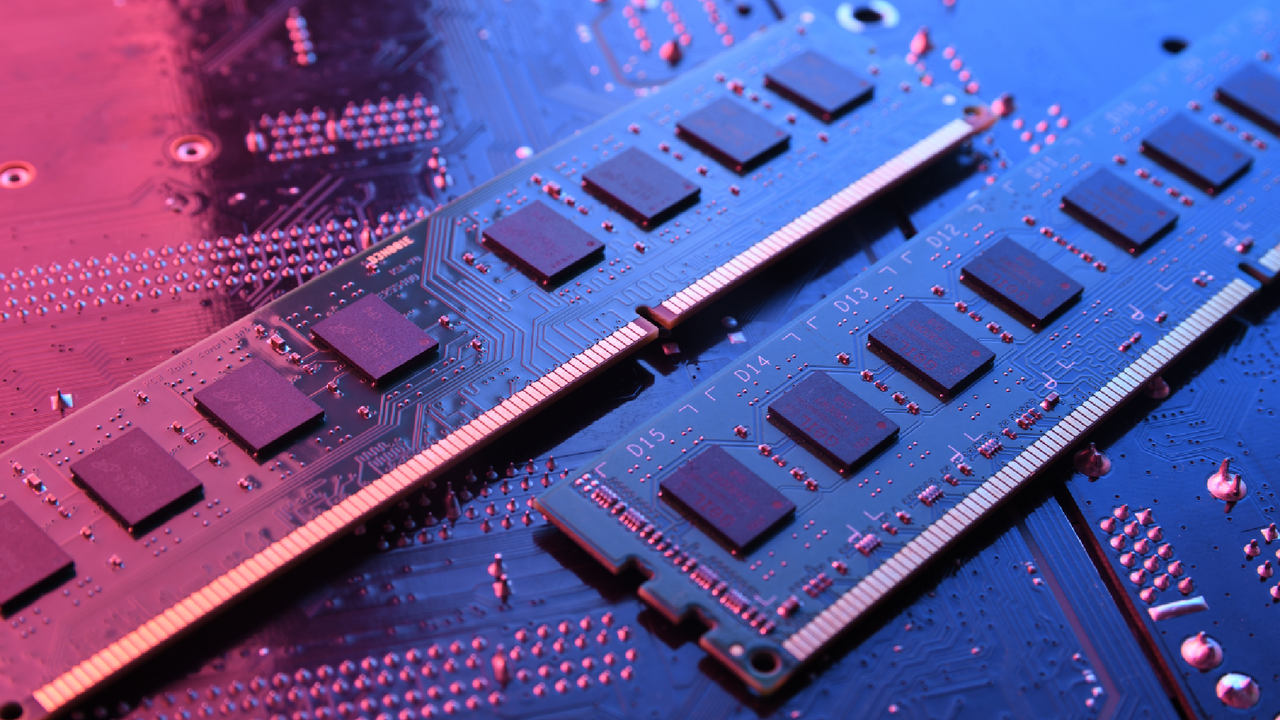
Sometimes, the greatest fortunes aren’t found in distant lands; they hide right under our noses in the dusty corners of our own garages. This is the reality for some hardware enthusiasts, who often uncover unexpected treasures in their personal space. One such discovery recently brought attention to the sheer volume of high-end server memory sitting idle in private storage.
A recent post on an online forum revealed that one individual had stashed approximately 10k worth of RAM in their garage, valued at roughly $7,200 USD. This substantial stash consisted of multiple 64GB DDR4 memory sticks, all sourced from an old work server that the owner had kept for personal use.
The story serves as a stark reminder of the specialized world of server hardware. While mainstream consumers are focused on gaming and desktop processing, the infrastructure that powers modern artificial intelligence centers relies on massive amounts of memory. This infrastructure has created a distinct market where enterprise-grade RAM often sits unused, waiting for a new home.
The disparity between server memory and consumer memory highlights a crucial technical difference. Modern desktop PCs typically use UDIMMs, whereas high-end servers frequently utilize RDIMMs. These differences mean that not all server memory is directly compatible with consumer gaming rigs, creating a specialized layer in the hardware landscape.
This specialized knowledge is vital when discussing the current state of the memory market. High demand from AI data centers has driven memory prices to unsustainable levels, feeding the ongoing memory crisis. This environment means that hardware professionals and savvy individuals often find opportunities where scarcity meets surplus.
If you happen to stumble upon a windfall of server components, the most practical move in today’s market is leveraging the runaway memory pricing. Rather than letting the hardware gather dust, selling the stash offers a clear and immediate benefit. While the original discoverer has yet to announce their plans, the market is full of potential buyers eager to acquire these powerful components.
Ultimately, the discovery of old server memory underscores a fascinating intersection of technology, economics, and personal ownership. It shows that the lines between enterprise technology and consumer hardware are blurring, turning forgotten server components into valuable assets ready for a new adventure.
Buy on Amazon
Credit