Wildcat Lake powers Framework 12 battery life
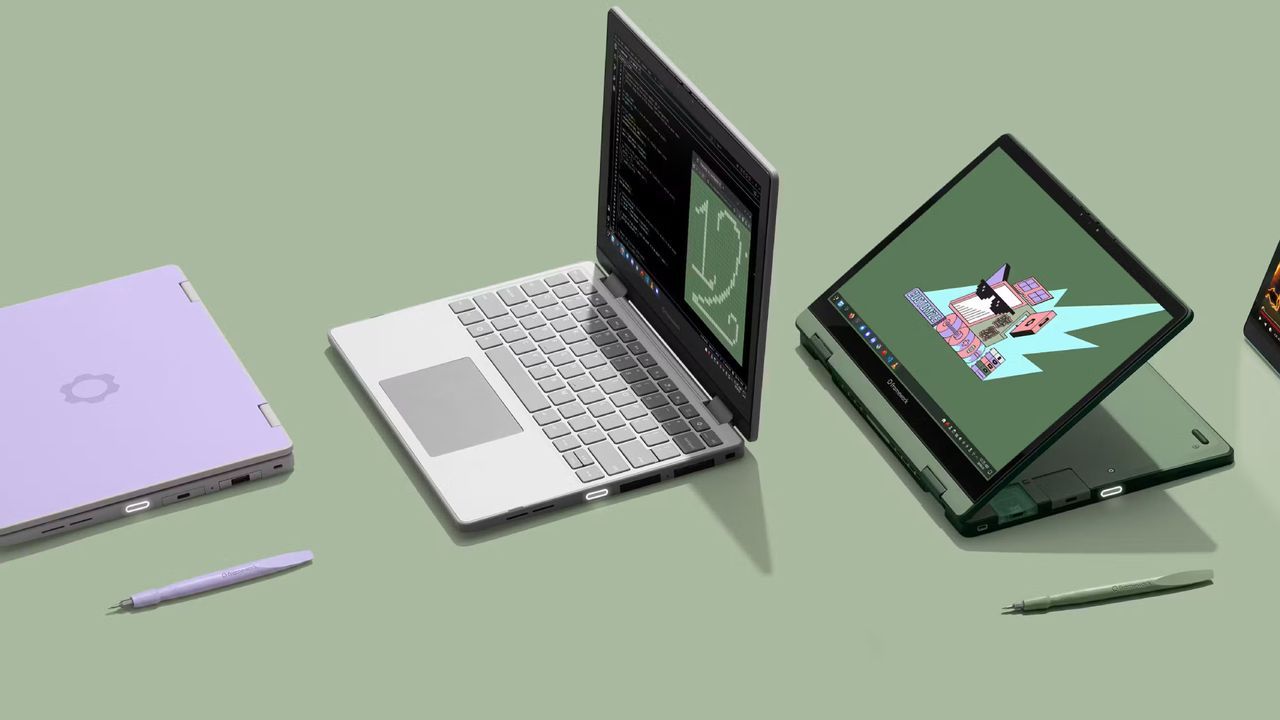
When it comes to portable computing, battery life often feels like a cruel joke. Yet, a new iteration of the Framework 12 laptop has stepped up to the plate, offering some genuinely impressive endurance, all while sticking to the same modest 50 Wh battery capacity. The secret, it turns out, lies in a savvy swap of internal hardware, proving that sometimes the biggest gains come from smart engineering rather than massive power boosts.
This latest refresh focuses on maximizing runtime, claiming substantial gains in longevity, particularly for common activities like web browsing and streaming. Framework achieved a reported 57% extra hours when browsing and a staggering 70% extra hours when streaming Netflix. While these figures sound bold, they align with observed improvements in similar low-power architectures, suggesting a real upgrade in efficiency.
At the heart of this endurance revolution is the shift to Intel’s Wildcat Lake processors. By integrating these new, yet still low-power, Core Series 3 chips, Framework managed to squeeze more life out of its existing battery setup, demonstrating that efficiency is the new performance metric for portable devices.
The Framework 12 remains firmly positioned as a two-in-one, touch-and-type device, ideal for students, light productivity, and general daily use. It’s an entry-level offering that prioritizes portability and sustainability.
Potential buyers looking to configure their DIY kit have several attractive options available. The choices range from the Core 3 304 at $549, up to the more robust Core 7 350 at $999. These configurations offer varied performance levels, depending on whether the user prioritizes entry-level capability or higher clock speeds and core counts.
For those interested in the performance ceiling, it’s important to set expectations. While these processors deliver excellent efficiency for everyday tasks, they are not built for heavy productivity demands or high-end gaming. Even the top-tier Core 7 350 features only two Xe GPU cores, placing it well below processors rumored to be developed for true handheld gaming chips.
Beyond the processor, Framework has layered on several quality-of-life enhancements, further solidifying the laptop’s appeal. The new iteration includes features like Wi-Fi 7 connectivity, a backlit keyboard, Thunderbolt 4 support, and a fingerprint reader, making the machine feel far more premium than its entry-level price point suggests.
Perhaps one of the most appealing software additions is the pre-installed Fedora Linux operating system. This choice is perfect for users who want a clean, efficient, and open-source environment right out of the box, eliminating the hassle of complex setup and appealing to those who enjoy customizing their digital space.
In short, the updated Framework 12 is a masterclass in incremental improvement. By leveraging newer, efficient silicon and smart peripheral additions, Framework hasn’t just tweaked a laptop; they’ve created a highly functional, remarkably long-lasting machine that proves efficiency can indeed be the ultimate performance champion.
Buy on Amazon
Credit