Windows 95’s design survived 31 years of evolution
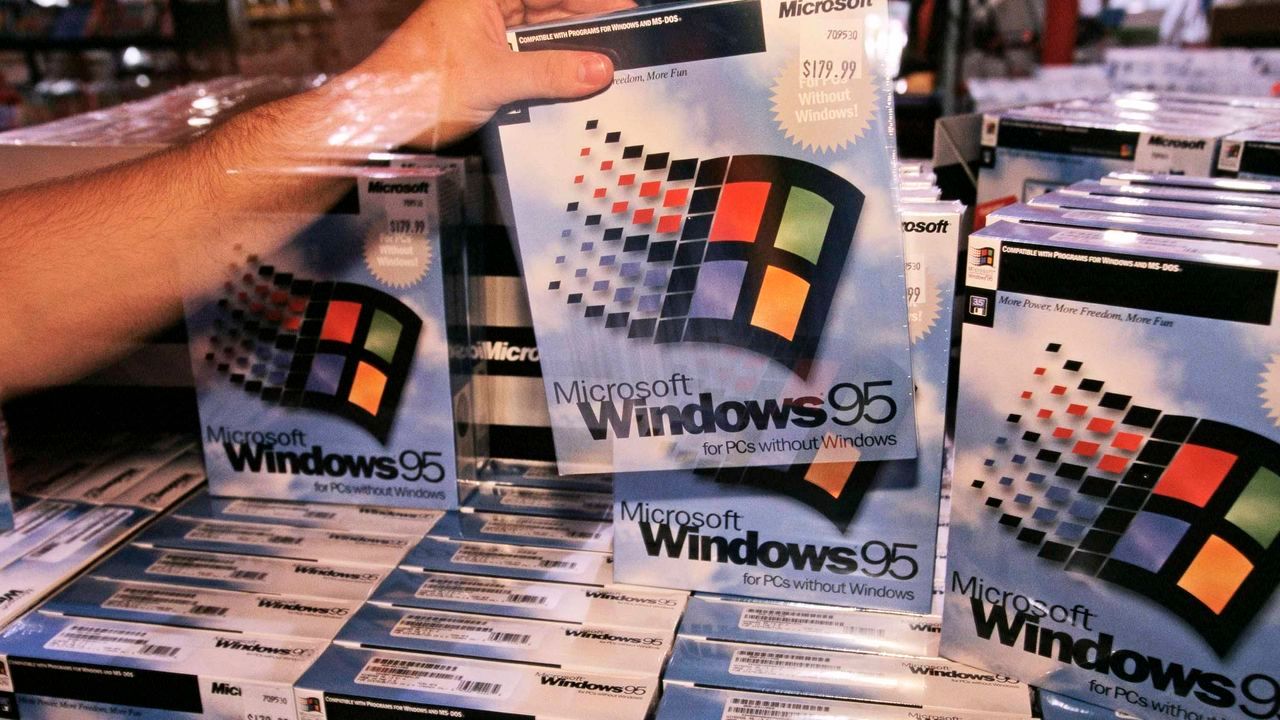
Believe it or not, three decades ago, the world of computing underwent a seismic shift. On August 24, 1995, Microsoft officially launched Windows 95>, an event so monumental it still sparks a wave of nostalgia.
It’s hard to imagine the hype surrounding that launch. People lined up outside stores just to get a copy of the new operating system. The buzz was palpable, and the industry was watching closely as Microsoft made what many consider the biggest change to its operating system history.
The launch wasn’t just about code; it was about design. While the technical leaps were significant, the real magic lay in the user interface. Before Windows 95, users were stuck with clunky systems. Windows 95, however, focused on modernizing the experience, putting essential controls right where they mattered: in the bottom-left corner of the screen.
This was the era when computing started feeling intuitive. The transformation was driven by simple, yet revolutionary, additions. Windows 95 introduced the iconic > became the gateway to files, settings, and shutdown options. A >, which introduced the concept of reversible file deletion—a feature that fundamentally changed how users interacted with their digital clutter. Furthermore, the introduction of Windows 95 also brought in Windows 95 is profoundly evident. Although the aesthetics have evolved dramatically—from chunky beige towers to sleek modern devices—the core elements persist. The Start button, the taskbar, the context menus, and the Recycle Bin have all survived the technological evolution, proving that truly great design has an incredible staying power.
Buy on Amazon
Credit