Windows on Arm: A first-class platform for any workload
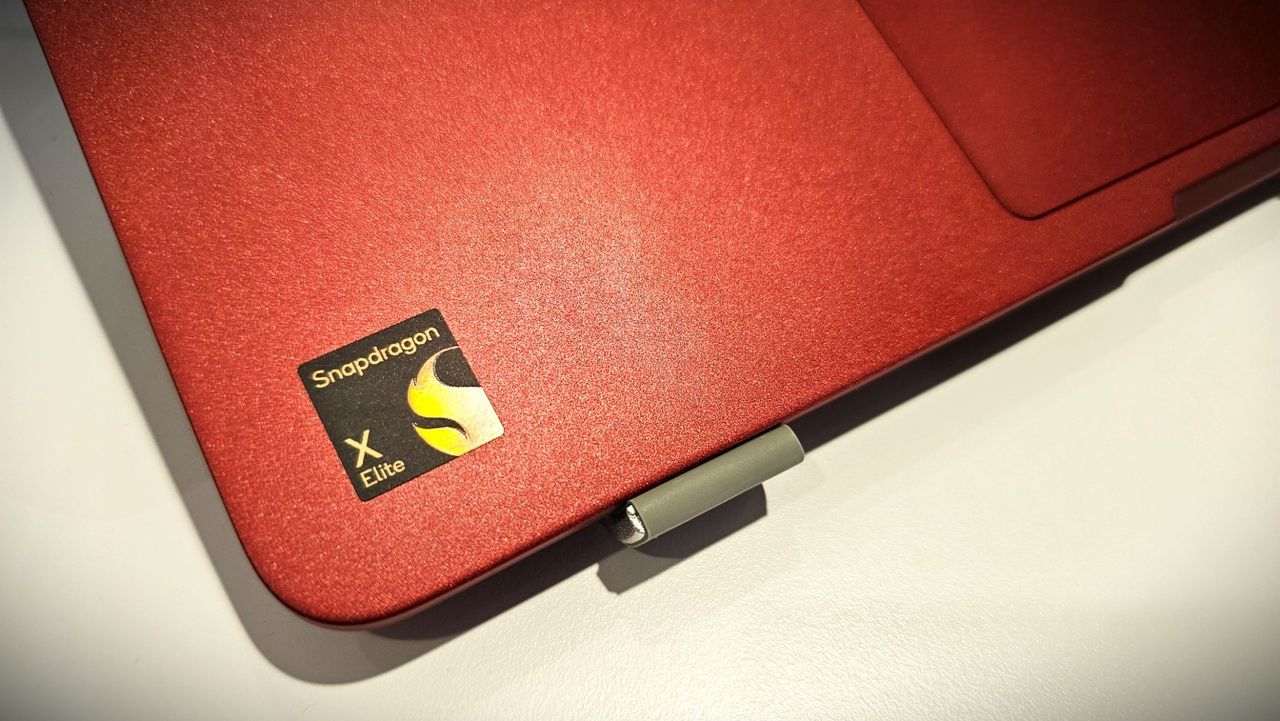
The future of computing is not just arriving; it is taking shape, and Microsoft is leading the charge by cementing the Windows on Arm platform as a powerhouse for the next generation of devices. The momentum behind this shift is clear: silicon providers and Original Equipment Manufacturers (OEMs) are rapidly embracing the Arm architecture, driven by massive customer demand for powerful and efficient Windows experiences.
Adding significant muscle to this ecosystem is the arrival of NVIDIA’s RTX Spark SoC, which is set to join the Windows on Arm family alongside the Qualcomm Snapdragon X platform. This collaboration isn’t just a technical pairing; it represents a strategic commitment to delivering cutting-edge performance across the next wave of Windows hardware.
This move signals a fundamental shift in hardware development. Experts note that this expanding landscape is what truly defines the platform. As Klaus Diaconu, Partner Director at Microsoft, puts it, the market is sending a clear signal: “more silicon providers and more OEM partners are investing in Windows on Arm because customer demand is growing for these powerful and efficient Windows devices and experiences.”
The impact extends far beyond the chips themselves. Microsoft is actively fostering an ecosystem where software thrives. They are spotlighting a growing library of Windows applications—spanning STEM education, security tools, productivity suites, creativity apps, and media entertainment—all now accessible on the Arm platform.
This digital breadth is staggering. The “Works on WOA” website tracks over 7,000 compatible Windows on Arm applications, demonstrating an increasingly rich and flexible environment for developers and users alike. Core productivity apps, essential for managing projects, collaborating, and communicating, are now seamlessly integrated, further cementing Arm as a first-class operating environment.
The story isn’t just about compatibility; it’s about flexibility. While many mainstream applications run natively on Arm, the system remains robust thanks to Microsoft’s Windows Prism emulation layer. This layer ensures that applications, even those without native Arm versions, run smoothly on Windows on Arm, feeling native and optimized due to continuous improvements in both silicon and software performance.
Microsoft is declaring that Windows on Arm is no longer defined by potential, but by its realized reality. The focus has shifted from what the platform could be to what it currently is: a rapidly expanding ecosystem of devices with essential apps available across all major workloads.
This trend empowers developers, offering them more choices and greater confidence when building next-generation experiences. By continuing to invest in Arm-native development, the industry is unlocking unparalleled flexibility, allowing customers to adopt the next generation of Windows devices with unprecedented choice and power.
Buy on Amazon
Credit