Windows XP launched the most iconic OS 25 years ago
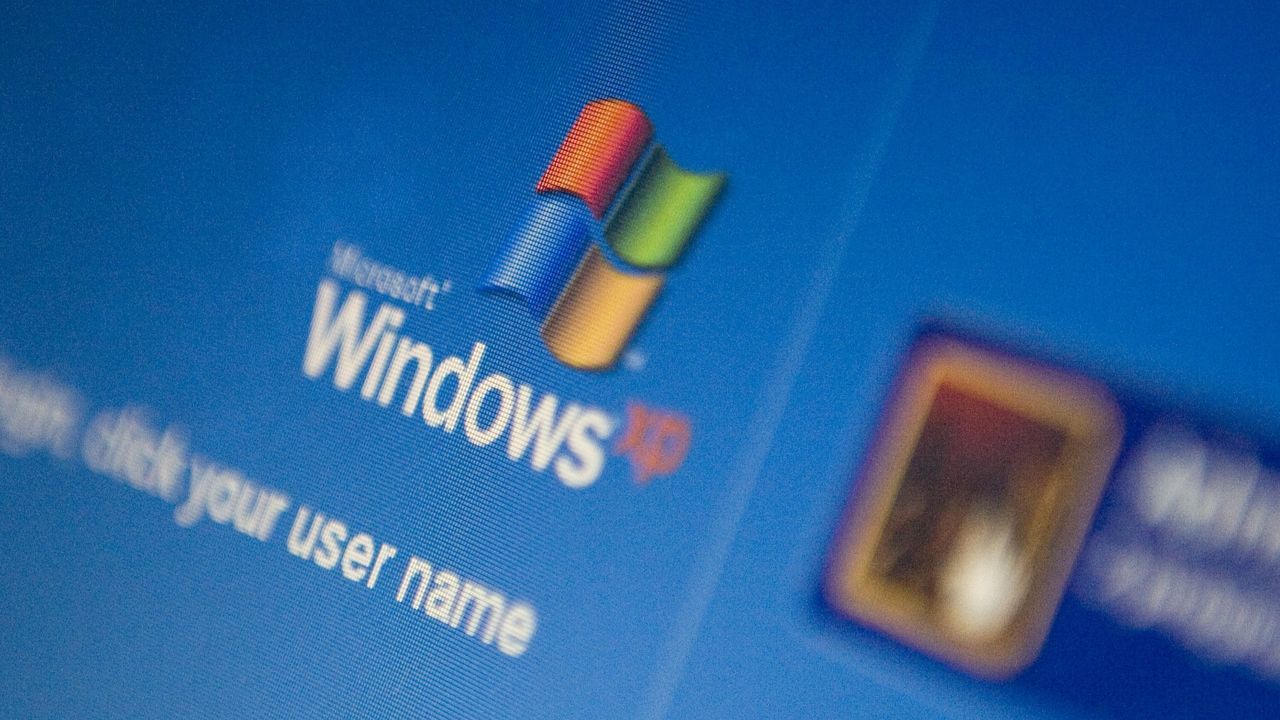
The OS That Changed Everything: How Windows XP Defined a Generation
On August 24, 2001, a moment etched into the history of personal computing: Microsoft released Windows XP to manufacturing (RTM). This wasn’t just a software update; it was a seismic shift, officially shipping the operating system to OEMs to kickstart its implementation across brand-new PCs. While general availability arrived later in October of that same year, the anticipation for this new era was already building.
Twenty-five years later, Windows XP’s influence is still deeply felt, not just in the architecture of modern computing, but in the cultural memory of the digital age. The operating system achieved a status that few operating systems ever reached, becoming the best-selling version to date and cementing a cultural footprint that continues to resonate globally.
The legacy of XP extends far beyond code and drivers. It has become a touchstone for shared experiences, spawning memorable cultural artifacts. Microsoft itself has occasionally leaned into this legacy, referencing the iconic aesthetic in everything from holiday sweaters to nostalgic wallpapers, reminding us of the era’s unmistakable style.
For many of us, XP was more than just a functional operating system; it was the gateway. For those transitioning from earlier systems like Windows 3.1, 95, and 98 SE, the leap to XP felt less like an upgrade and more like stepping into a completely new world. It fundamentally transformed the experience of owning a PC, elevating it from a simple word processor with games to a truly interactive platform.
The change was tangible. The introduction of Explorer, with its familiar teal desktop, replacing older paradigms, signaled a profound shift in user interface design. Suddenly, connectivity felt real. When we finally paid for home internet access, Windows XP wasn’t just managing files; it was connecting us to the world.
This new digital landscape introduced countless personal routines. MSN Messenger became the hub for family communication, allowing for personalized profiles, icons, and themes that allowed us to express ourselves online. It was the platform that bridged the gap between isolated desktop use and the sprawling digital community that emerged.
Those early days were filled with an earnest blend of exploration and creativity. There was a vibrant community centered around posting opinions on phpBB forums, diving deep into Macromedia Flash animations, and engaging with educational resources like Encarta. These were the formative years where the digital world was still being built, fueled by shared enthusiasm.
While nostalgia is a powerful emotion, it is important to recognize that this feeling is tied to the context of those formative years. Windows XP arrived at a crucial time, coinciding with our most formative experiences, making the memories feel particularly vivid. Today, we can look back at the system that laid the foundation for the modern internet and personal computing, recognizing its monumental achievement in connecting millions and shaping our digital lives.
Buy on Amazon
Credit