Xbox CEO challenges disc backlash: Helix plans
The gaming world is currently caught in a fascinating tension: the promise of next-generation hardware clashes directly with the enduring, nostalgic desire for physical ownership. As Microsoft looks toward its next console, the big question isn’t just about performance; it’s about where the next generation of gaming will live, and whether the legacy of physical media will survive the digital shift.
Microsoft’s recent attempts to reshape the gaming landscape have been a rollercoaster. While the company sought disruption, it also faced internal friction, impacting its own business and the ecosystem of third-party developers. This turbulence has been amplified by broader economic pressures, notably the AI-driven RAMpocalypse, which has caused consumer electronics prices to soar due to widespread memory shortages.
Steering this complex ship is the new CEO, Asha Sharma, who has been tasked with revitalizing Xbox gaming fortunes. Her immediate focus is bringing back fan-requested features and establishing a new direction, including revamping the exclusive game lineup, such as the highly anticipated Gears of War: E-Day.
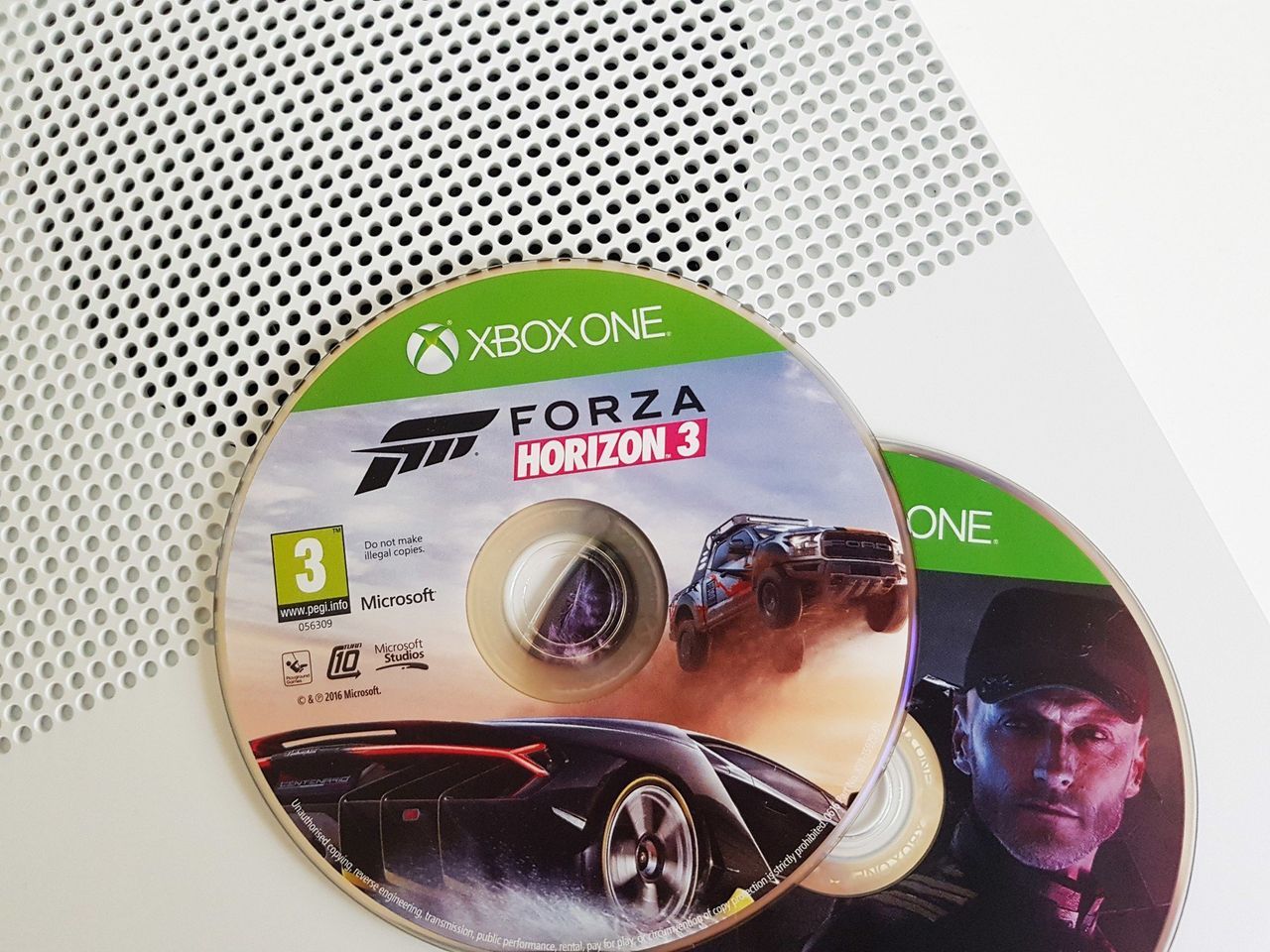
The most intriguing policy pivot, however, lies in how Xbox is handling the physical media debate. While rivals like PlayStation are exploring a gradual phase-out of discs entirely by 2028, Microsoft has opted for a hybrid approach. Today, Xbox discs will grant digital entitlements, linking physical media to access features like Xbox Cloud Gaming and Xbox Play Anywhere.
When asked about this move, Sharma acknowledged the deep appreciation players have for physical media. “I know players love physical media, and I know there’s a lot of benefits in digital media, and I want to make sure people have a choice,” she stated. The goal is to allow players to own up to 1,000 titles on physical discs while still enjoying the flexibility of digital access.
This push for hybrid ownership touches on a deeper hardware reality. The focus is less on the discs themselves and more on the collapsing supply chain of optical disc drives. Factories are shifting production towards more lucrative and scalable industries, such as camera lenses, as demand for traditional disc technology wanes.
This shift in manufacturing mirrors a broader trend in consumer habits. While digital content offers convenience, there is a growing recognition that physical media provides a tangible sense of ownership that digital files often lack. Physical games offer a unique participatory experience, making lending and sharing with family far more straightforward than managing a complex digital account.
Ultimately, the journey for the next-gen Xbox Helix will be defined by how it navigates this reality. It will need to balance cutting-edge performance and affordability with the emotional pull of owning something tangible. The debate over physical vs. digital ownership is far from settled, and it sets the stage for an exciting new era in how we define gaming assets.
Credit