
Xbox CTO explains Xbox Live downtime with transparency
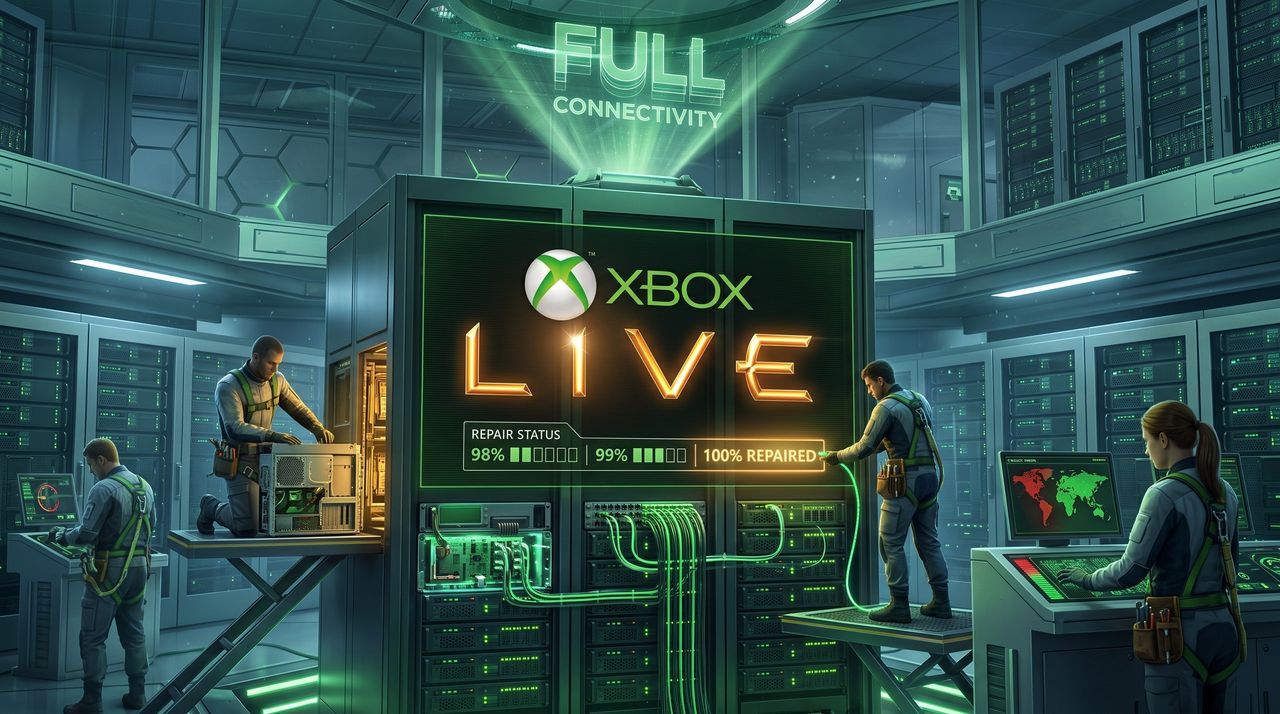
The Great Xbox Outage: When Digital Dreams Hit Pause
Just a few weeks ago, the Xbox community experienced what many are calling one of the most significant service disruptions in the brand’s recent history. For over a full day, players were locked out of essential online services, their game libraries—both digital and physical—and core applications became inaccessible.
The disruption was so profound that it even halted entitlement checks necessary for physical Xbox game discs to function. This massive failure highlighted the often-invisible complexity lurking beneath the veneer of a seamless gaming experience.
In the aftermath, the focus immediately shifted to transparency. The CTO of Xbox, Scott Van Vliet, stepped up to social media not just with an apology, but with a detailed explanation of how the disaster unfolded, what steps were taken to fix it, and what long-term strategies are being implemented to prevent such catastrophes from recurring.
The root cause of the chaos wasn’t a single glitch, but a collision of complex systems. The incident stemmed from an update deployed to an underlying service that manages critical functions, including Xbox Home Console sharing, purchased Xbox Game Pass content, and PC scenarios. While this update was underway, a bug within the client software stack caused other digital game license checks to fail, creating a cascading domino effect that brought all systems to an unresponsive halt.
To manage the fallout, Microsoft enacted immediate remedies. They are transferring ownership of the underlying licensing service directly to the Xbox team, allowing them to manage stability while their engineers focus on improving the robustness of Xbox Live’s services and infrastructure for future updates. Furthermore, a fix for the client software bug is scheduled to roll out in an update today, with mandatory installation required by August 17, 2026.
Looking ahead, Microsoft is committed to making these systems more stable through ongoing improvements. They plan to introduce new features and quality-of-life enhancements as they continue the work of fortifying their products and services.
While the technical fixes put the immediate crisis behind us, the event prompted a wider conversation about digital ownership and trust in the gaming ecosystem. For many users, it underscores the ongoing debate: is relying on complex online entitlements truly equivalent to owning a game?
Buy on Amazon
Credit