
Xbox fall vs PlayStation and Nintendo opportunity
Even the reigning king of console gaming, Xbox, is navigating some choppy waters. While many assume Microsoft’s gaming division is unstoppable, recent insights suggest that the industry and the company itself are facing significant headwinds, prompting a reevaluation of what truly keeps gamers engaged.
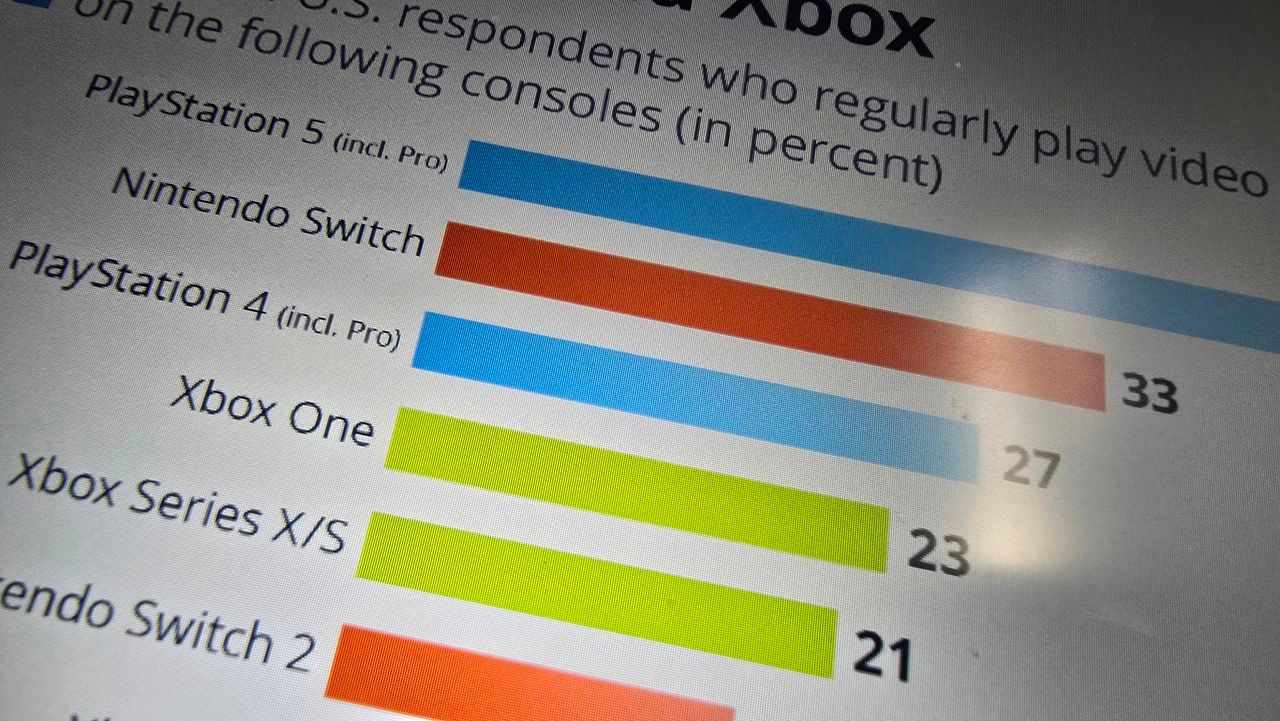
This sentiment isn’t just corporate talk; it’s backed by data. New research from Statista Consumer Insights has put common beliefs about Xbox’s performance to the test, revealing an uneven landscape for console platforms. The overall gaming world is grappling with a variety of pressures, from memory shortages and diluted attention spans to intense competition from non-gaming hobbies and the lingering influence of free-to-play giants like Fortnite.
At Microsoft specifically, the gaming sector has seen a dip. Last fiscal year, the division declined by 11%, largely influenced by performance in major titles like Call of Duty. This reality underscores a crucial point: relying solely on mega-games isn’t enough to sustain growth.
Looking at the broader console market among U.S. gamers, the competition is fierce. When surveying over 3,200 players, the data shows that PlayStation is leading the pack, beating both Nintendo and Xbox by a comfortable margin. The results suggest that while gamers love owning multiple systems, there’s a clear hierarchy in platform preference.
The statistics paint an interesting picture: some 85% of console players frequently gravitate toward PlayStation platforms, followed by 76% for Nintendo, with Xbox trailing at 58%. Yet, the enduring appeal of older consoles like the Xbox 360 remains potent, proving that deep engagement can persist even on aging hardware.
The challenge for Xbox now is figuring out how to motivate users to upgrade. While highly anticipated titles like Grand Theft Auto 6 are exclusive to the current-gen systems, enthusiasm might be muted if the barrier of entry is too high. This difficulty is compounded by practical issues, particularly sourcing memory for the Xbox Series X|S, which has become significantly more expensive than ever.
The path forward may lie not just in hardware cycles but in expanding the ecosystem. Microsoft has vast, untapped potential in areas like PC gaming and Xbox Cloud Gaming, services that are arguably still under-marketed despite their immense growth potential. Focusing investment here could offer an easy win for the struggling division.
As CEO Asha Sharma addresses this dynamic environment, the focus shifts to redefining Xbox‘s identity. With next-generation hardware like Project Helix on the horizon, and fierce competition pushing for more AI integration, the future hinges on Microsoft’s ability to balance legacy strengths with innovative service offerings. The ultimate test will be whether Xbox can find a winning formula in an ever-evolving entertainment landscape.
Buy on Amazon
Credit

