Xbox’s ‘games everywhere’ strategy redefined the brand
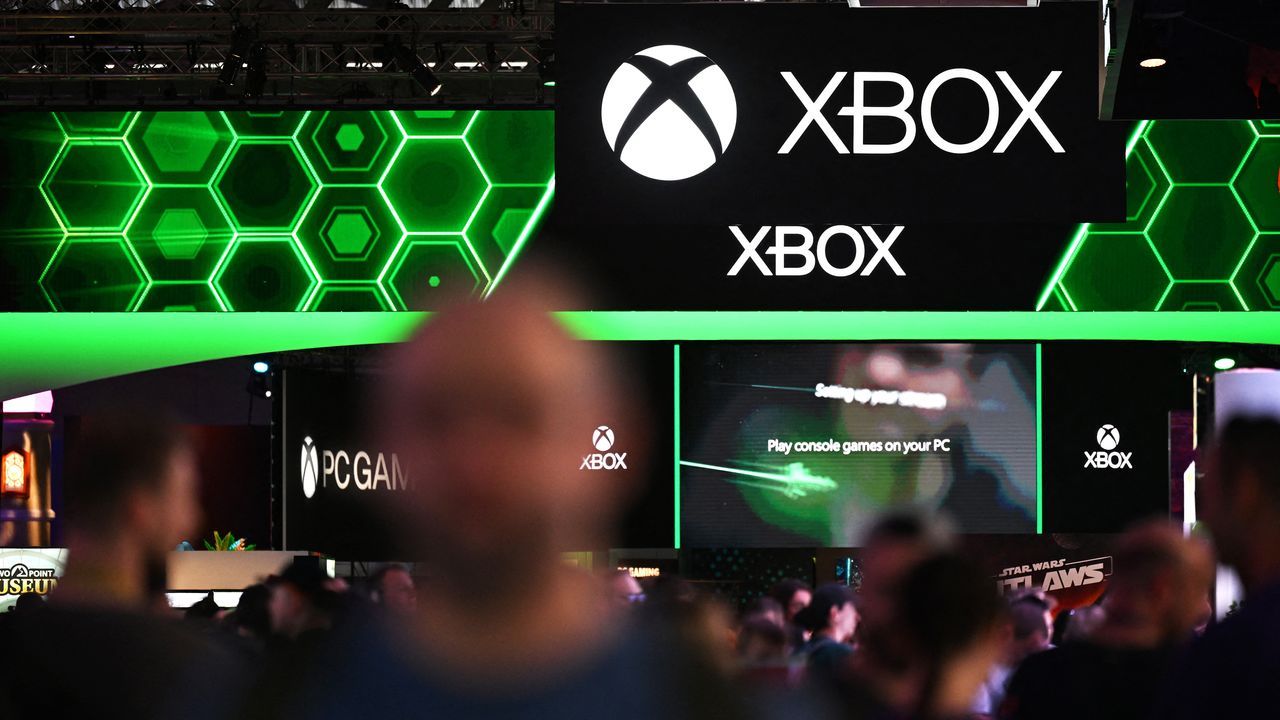
Eleven years ago, in August 2015, the gaming world was buzzing about a monumental idea: linking console, PC, and mobile gaming into a single, unified network. At the time, the “games everywhere” philosophy was framed as a massive industry shift, with Windows ironically acting as the central hub for synchronizing game libraries across all devices.
This initial push, however, was met with skepticism. Following the rocky launch of the Xbox One and controversial DRM policies, industry observers and players questioned whether Microsoft could truly deliver seamless cross-platform play and effective cloud integration. Yet, this foundational effort laid the groundwork for the modern Xbox business model.
Today, that original vision sits squarely at the center of Microsoft Gaming’s strategy. The narrative has evolved significantly. Under the leadership of Asha Sharma, Microsoft Gaming has successfully steered a course that prioritizes the platform and the experience above specific hardware campaigns. This shift involved pulling back on certain branding efforts and refocusing energy on concrete improvements, acknowledging a substantial list of things that needed fixing.
The core challenge—brand identity and hardware relevance—has not vanished, but the context has fundamentally changed. Looking back at the 2015 reports, it’s clear that the foundation for today’s integrated strategy was already being built, even if the execution took more than a decade to fully solidify.
Gamescom 2015 provided a strong glimpse into this potential. Despite the hiccups of the Xbox One launch, the ongoing trajectory under Phil Spencer demonstrated a clear direction. The message was clear: gaming is not just about a box; it’s about a system.
The real revolution began when Microsoft consciously decided that gaming was central to its mission. The concept grew beyond the console and extended across the entire digital ecosystem. This was solidified when the launch of Xbox on Windows 10 demonstrated the potential for true integration.
The vision quickly expanded: phones, tablets, PCs, consoles, and even technologies like HoloLens—Xbox was positioned to be everywhere. Cross-buy, cross-play, and game streaming became just the starting point for a much grander ambition.
As Phil Spencer noted in a recent interview, the focus was shifting away from singular devices toward the experience itself: I think when we look back on Xbox five years from now or so, I think Windows itself will be a critical component to the success I think we can realize of Xbox itself — and gaming will be a critical component of the success of Windows.
This philosophy was further demonstrated at events like Gamescom, where the physical space became a testament to this integration. Instead of consoles being isolated, the environment showcased games like Fable Legends and Gigantic playing together across different platforms. The only remaining difference was the preference for input—controller or keyboard.
This integration proved that the platform held greater power than the device. If the goal is to deliver Microsoft services, why focus solely on one console when the Xbox ecosystem is available on hundreds of millions of Windows 10 PCs globally? The Xbox One became simply one way to deliver Xbox gaming, much like a smartphone delivers Microsoft services to your pocket.
The long-term view is about transcending hardware limitations. While technical hurdles remain—such as the future of game streaming or the development of official peripherals—the trajectory is clear. The focus is moving toward a future where the distinction between Xbox games and Windows games blurs entirely. The ultimate goal is a future where there are simply Xbox games, everywhere.
Credit