Years of frustration built Windows 11 and Microsoft knows why
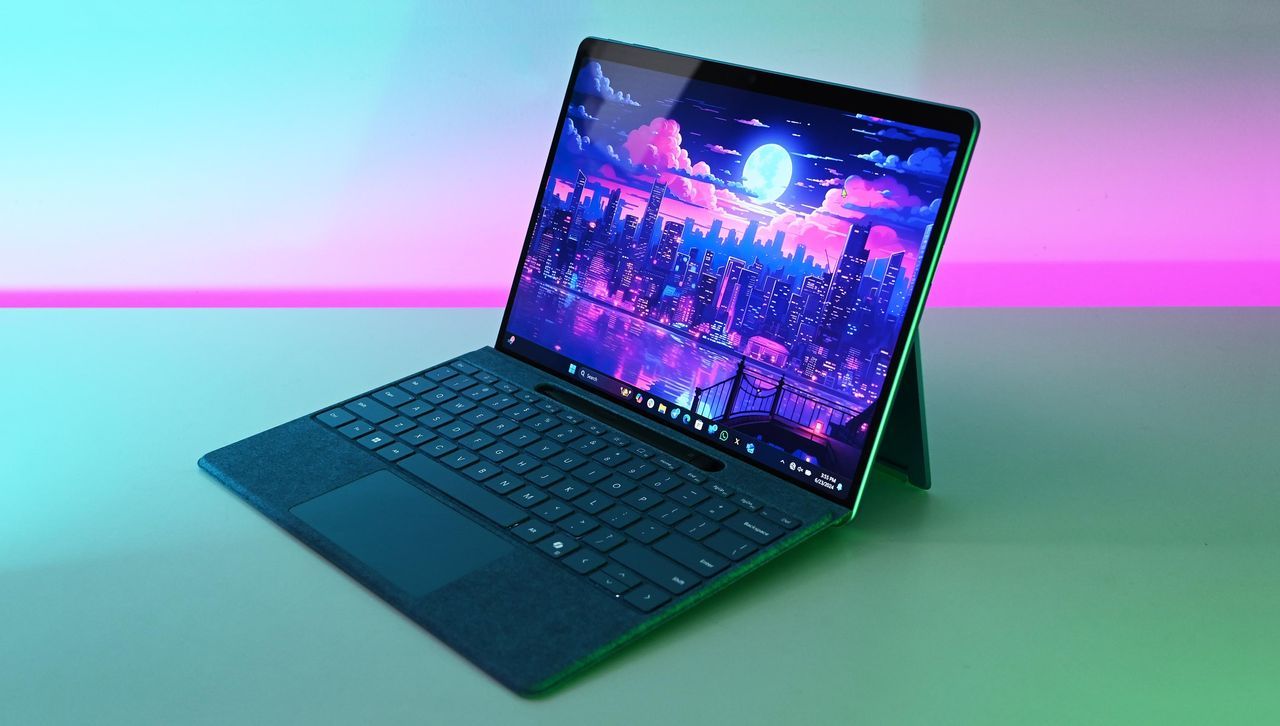
Windows 11 is slowly starting to catch up to the promises Microsoft has made over the last several months, though the most dramatic shifts remain confined to testing environments and mockups. While it is commendable that Microsoft is revamping the operating system, some of these crucial improvements arguably should have arrived years ago.
The current state of Windows 11 raises an interesting paradox: how do you manage significant operational upgrades while still respecting the vast legacy components and user expectations built over decades? The push for a truly modern OS inevitably bumps up against the reality of maintaining stability for enterprise users who rely on established, proven systems.
A key part of the recent effort involves updating several core elements of Windows 11 with WinUI. This architectural shift is designed to boost performance and allow the operating system to run more efficiently, even on systems with less available RAM. It’s a tangible step toward making the experience snappier, but it only highlights the complexity of integrating modern design with established infrastructure.
This transition forces us to ask a larger question: why did the pursuit of a unified and consistently updated operating system not become a core mandate from the very beginning? The decision-making process often involves balancing user feedback against critical needs, especially for large organizations that depend on stable legacy support.
For enterprise environments, maintaining compatibility with older code is non-negotiable. Removing or radically altering established elements risks disrupting vital workflows. This necessity means that while the goal of modernization is clear, delivering a completely unified experience requires a framework built from the ground up, rather than layered onto existing foundations.
The journey toward creating a truly modern operating system involves navigating complex technical and historical considerations. While some groundwork has been laid for these improvements, pushing large-scale architectural changes requires patience and a philosophy that values long-term stability alongside innovation. It takes time to harmonize decades of design choices into a cohesive, forward-looking experience.
In the meantime, those looking to enhance their gaming setups are finding practical upgrades. For Xbox owners, expanding storage is a common need, and accessories like the Seagate Storage Expansion Card offer a straightforward way to boost capacity for the Xbox Series X|S. Simultaneously, high-end computing enthusiasts continue to find fantastic value in premium machines; devices like the Dell XPS 14 remain celebrated for blending stunning design with serious performance.
Buy on Amazon
Credit