Z.ai powers 1GW AI center built entirely on Chinese chips
The Gigawatt Race: China’s Quest for AI Self-Sufficiency
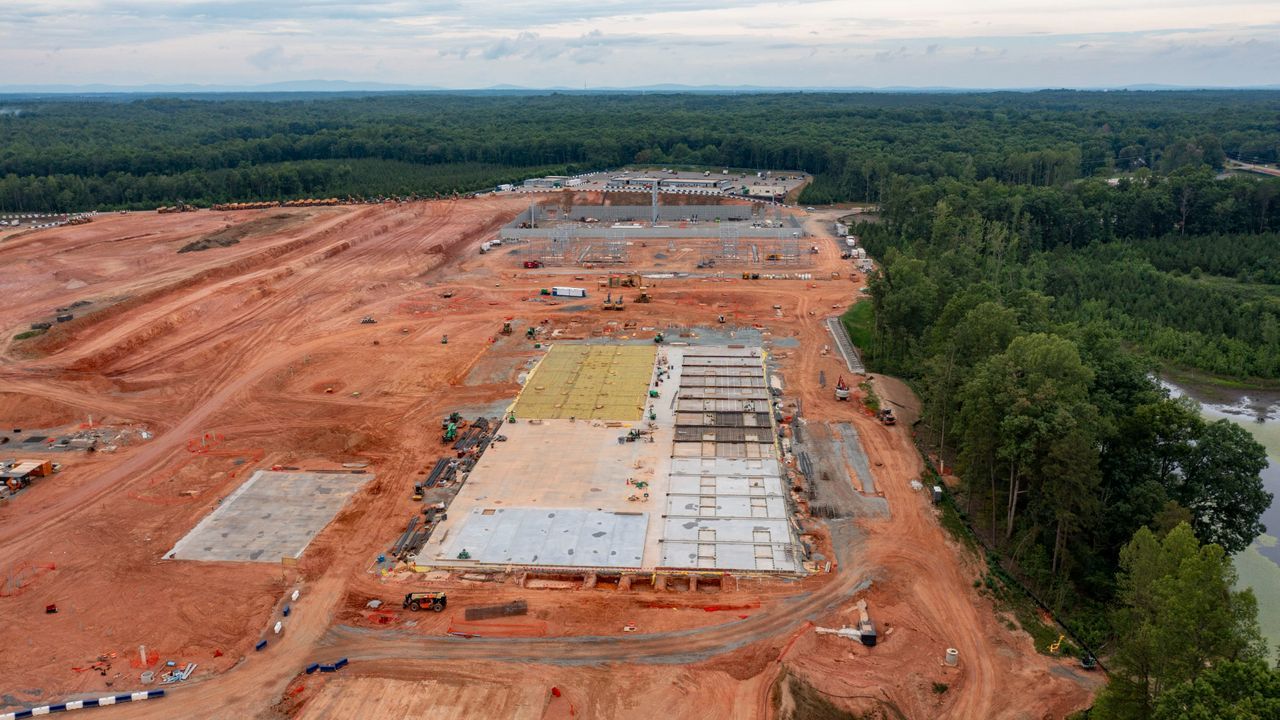
In the relentless global race for artificial intelligence supremacy, a new frontier is being forged in the heart of China: the quest for complete domestic technological self-sufficiency. Chinese AI developer Z.ai has taken a monumental step, not just in developing sophisticated models but in building the physical infrastructure required to train them—a massive 1GW data center stocked entirely with domestically manufactured chips.
This ambitious facility is more than just a pile of hardware; it represents an immense commitment to localized power and computation. A gigawatt of electricity can power roughly 750,000 homes, underscoring the sheer scale of this operation, which places Z.ai among the largest AI labs ever established in China.
The ambition behind this project is deeply rooted in supply chain independence. Z.ai’s work centers around its GLM model family, and they have leveraged domestically produced silicon to drive their research. This effort showcases a determination to move beyond reliance on foreign technology and secure a sovereign path for advanced AI development.
The technology driving this endeavor is already highly advanced. Z.ai recently achieved significant recognition by releasing the GLM-5.2 model, which was reportedly trained entirely on Huawei Ascend accelerators, deliberately bypassing Nvidia hardware. This achievement highlights the capability of domestic silicon to compete at the cutting edge.
However, the journey to fully realizing this vision is complex. While the physical scale of the data center is staggering, the path to supplying the necessary components faces inherent manufacturing hurdles. Scarce domestic High Bandwidth Memory (HBM) constrains how many Ascend-class accelerators can be assembled, and the capacity of chip fabrication—even at advanced nodes like SMIC’s 7nm-class process—is struggling to keep up with demand.
This tension between ambition and reality is echoed across the industry. Beijing is actively drafting a sweeping plan to establish a national grid of AI data centers, aiming to source at least 80% of the underlying technology from Chinese suppliers over the next five years, signaling a coordinated national push for hardware autonomy.
Furthermore, the geopolitical dimensions are clear. Z.ai’s status on the U.S. Commerce Department’s entity list since early 2025 restricts legal access to Nvidia silicon, forcing domestic players like Z.ai to rely exclusively on local supply lines. This creates a powerful incentive for localized innovation and production.
Despite these infrastructural challenges, the momentum in the AI space remains incredibly dynamic. While some competitors are adjusting their strategies—such as Moonshot suspending new subscriptions to prioritize compute for their Kimi K3 model—Z.ai continues its trajectory. The company is reportedly on track to achieve $1 billion in annual recurring revenue following its 2026 sales target.
Ultimately, the development of this massive data center and the surrounding ecosystem reflects a pivot point in the global technology landscape. It is a story not just of cutting-edge AI training, but of national industrial strategy, technological independence, and the intense competition required to bridge the gap between digital ambition and physical reality.
Buy on Amazon
Credit