Zach Cregger admits ‘I was naive’ for the Resident Evil film
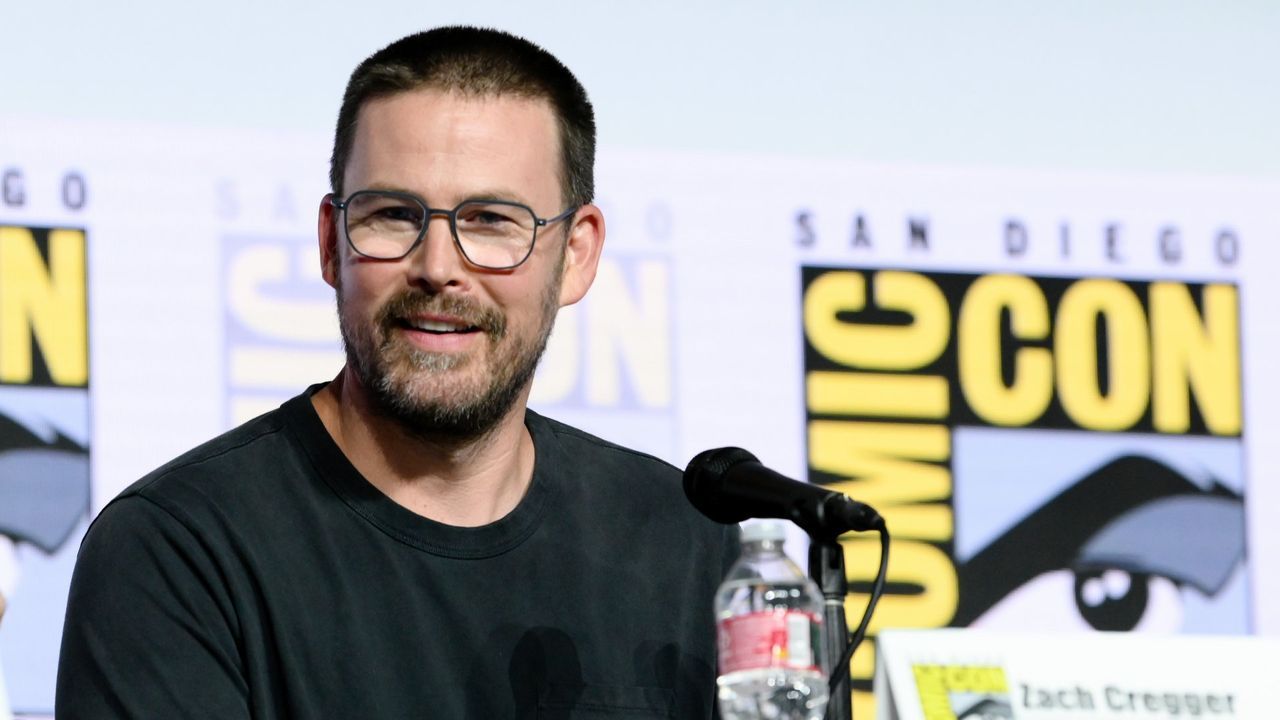
After months of online scrutiny, the internet finally broke Zach Cregger on the handling of his <Resident Evil> film. Facing months of complaints, Cregger offered a candid reflection on his creative choices and the often-turbulent relationship between creators and their audience.
In a recent interview, Cregger admitted that he was naive to expect universal excitement for the film. He apologized for not delivering the specific narrative vision some fans craved, clarifying that he leaned instead on his instinct as a director and writer—a necessary nerve in the process.
“I was naive,” Cregger stated. “I thought that fans of these games, like me, would be thrilled that somebody was coming along and turning <Resident Evil> into a survival horror movie.” While he acknowledged that some fans would be excited, he quickly pivoted to the reality of the digital landscape, noting that there is nothing on earth that can unite an internet full of bots, rage baiters, and those whose favorite hobby is simply being angry.
The core tension, however, revolved around the missing narrative centerpiece: Leon Kennedy’s story. Cregger acknowledged the frustration felt by fans who have waited for that particular narrative arc to be explored in a live-action format.
“I did not really appreciate the sentiment that [players] have been waiting forever for Leon’s story, and I appreciate that,” he said. “And I’m sorry that that’s not the story that I’m bringing here. I understand the frustration.”
Despite the desire to satisfy this longing, Cregger found himself grappling with the practical limitations. He expressed that it would be nearly impossible to find an actor who could successfully embody Leon Kennedy and gain acceptance from the dedicated community. If the goal was to bring more of Leon to the screen, Cregger suggested focusing on alternative mediums, such as animated series or new DLC and standalone games, where the fans could fully experience playing as Leon.
Cregger admitted that he was frustrated by fans who seemed to hold such strong opinions while simultaneously not having seen the earlier installments that informed the cinematic vision.
His ultimate hope, however, was for the audience to simply engage with the final product. He stressed that his intention was not merely to slap the <Resident Evil> franchise onto a budget, but to tell a genuine story. “My only hope is that they will see the movie, regardless of their skepticism or their disappointment, and that they will feel seen when they do watch the movie and they will recognize all of the love for the games that is in this movie. Because it is there, and this is not just me telling a story and slapping <Resident Evil> on it so I can get a budget. This is me telling a <Resident Evil> story.”
Ultimately, Cregger’s message underscored a key lesson for creators: while fan expectation is powerful, true artistic vision must navigate the complex, often chaotic, landscape of public opinion.
Buy on Amazon
Credit