Zach Cregger cut jokes in Resident Evil film due to screener feedback
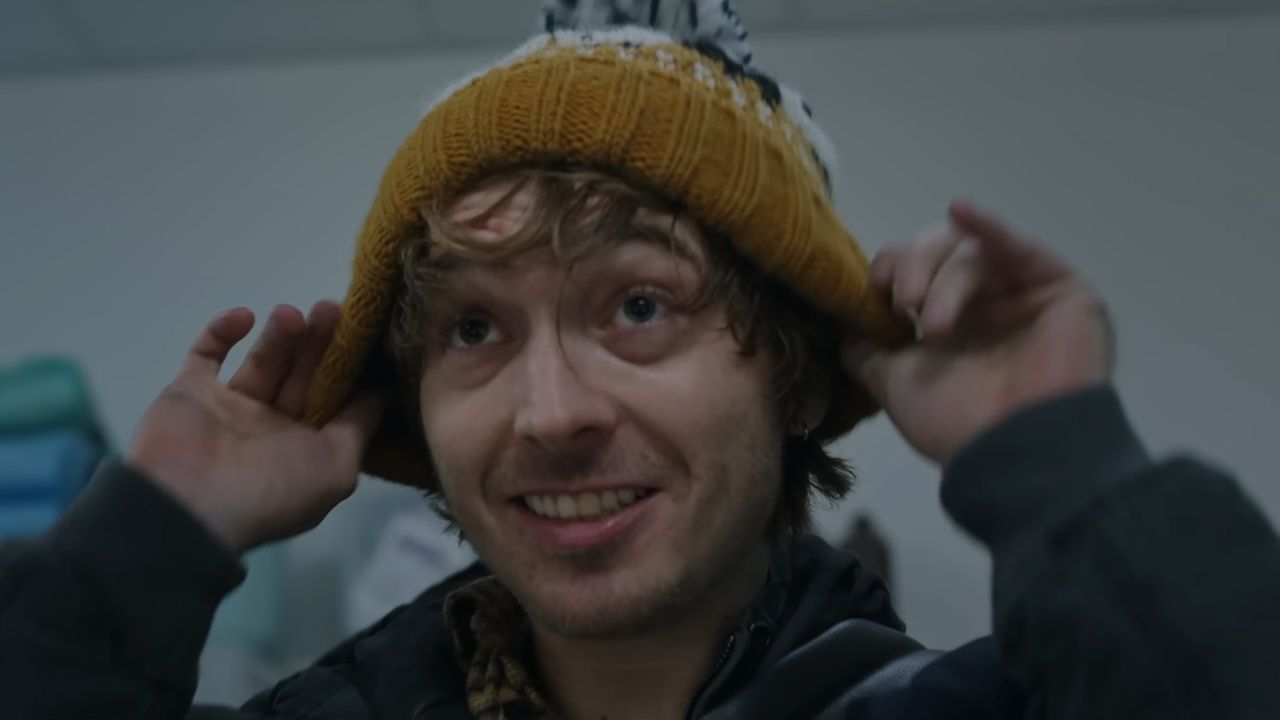
Horror cinema thrives on a fine line: the ability to be genuinely terrifying while simultaneously eliciting laughs. Director Zach Cregger has long mastered this duality, crafting films that manage to be both deeply unsettling and surprisingly hilarious. His previous work, such as Resident Evil and Resident Evil 4, demonstrated a knack for injecting levity into intense situations, making the experience more bearable for the audience.
However, achieving this delicate balance is a tricky art. In the world of horror, a well-placed joke is a delicate tool; it must serve the mood without undermining the core tension. Cregger recently faced a classic creative dilemma when developing his upcoming survival horror film, Resident Evil. Initially, the film featured a generous amount of humor, but post-test screenings revealed a different reaction.
Cregger learned that while the audience clearly enjoyed the film, they found the level of comedy to be too much. To refine the experience, he decided to strip back the jokes, dialing down the comedic elements during the testing phase. This decision highlighted a crucial truth about the role of humor in horror storytelling: it must be handled with extreme care.
The goal of injecting humor into a horror film is to provide a moment of comic relief—a temporary reprieve for viewers whose nervous systems have been stretched to their limits. It acts as a release valve, allowing the audience to breathe and settle their nerves just enough so they can return to the fear without completely shutting down. It is the comic relief that lets you keep the audience scared.
The challenge lies in the difference between a joke that serves the atmosphere and a joke that becomes a gimmick. When a film is already steeped in fantastical horror, adding an excessive number of jokes can dilute the atmosphere entirely. This is where Cregger’s adjustment paid off. By removing unnecessary comic beats, he ensured that the film maintained its visceral dread rather than becoming a series of jokes layered over fear.
The result of this creative calibration was twofold. Not only did the audience respond better to the revised narrative, but Cregger himself found that he enjoyed the final product much more. It underscores the idea that subtlety is key. The best horror films do not rely on excessive gags but rather on carefully managed moments where lightness meets darkness.
Buy on Amazon
Credit
