Zen 6 CPUs fix microstutters and boost game performance
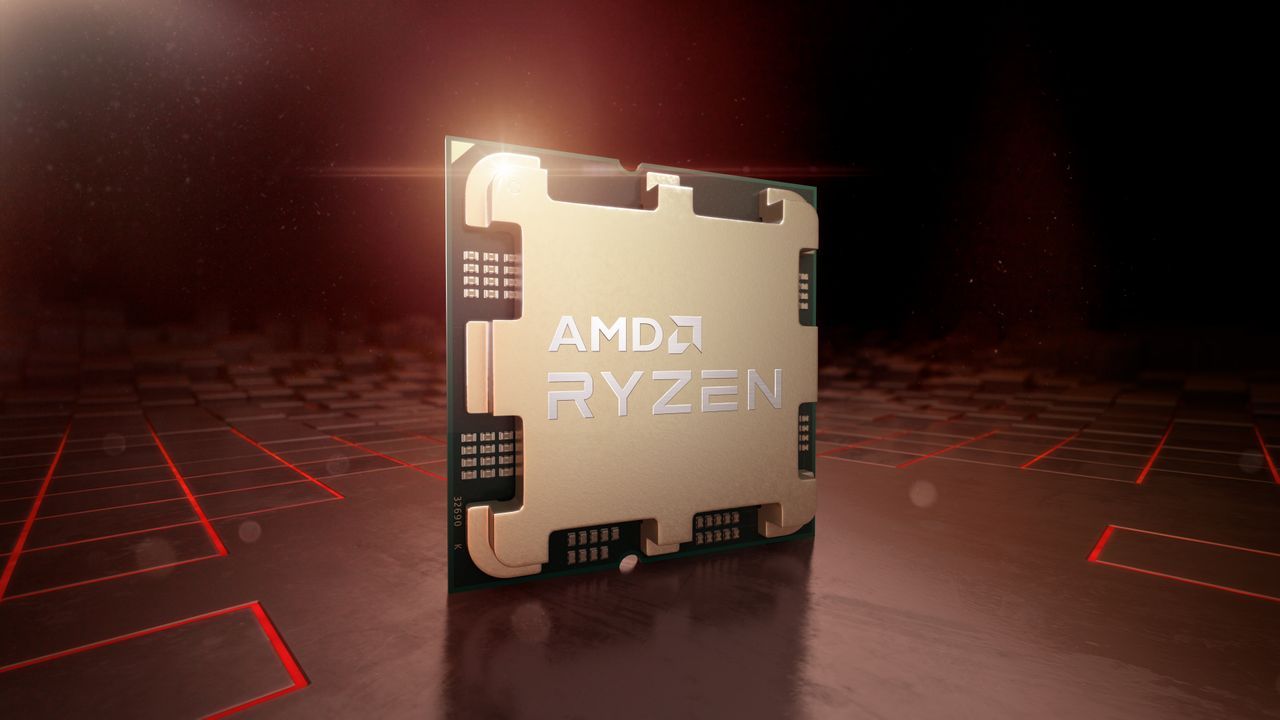
The Silent Revolution: How AMD is Fine-Tuning Zen 6 for Next-Gen Gaming
As the tech world gears up for the next generation of processing power, attention has been focused on the raw increases in IPC and clock speeds expected from AMD’s Zen 6 platform. But the real story isn’t just about bigger numbers; it’s about a revolution happening deep inside the silicon—a series of subtle, sophisticated optimizations designed to transform how your processor handles tasks, power, and thermal constraints. These under-the-hood changes promise to deliver a massive upgrade to the gaming experience.
AMD is rolling out a suite of innovations aimed at maximizing efficiency and ensuring that when you are playing a demanding game, nothing else gets in the way. The goal is simple: prioritize foreground performance while gracefully managing background processes, turning raw silicon into an intelligently managed powerhouse.
One key development is CPPC Performance Priority, which stands for Collaborative Processor Performance Control. This feature allows the system firmware to manage the performance of individual cores independently, coordinating seamlessly with the operating system. While this capability has existed in earlier generations, Zen 6 introduces crucial fixes and enhancements to make these core management decisions even smarter.
To handle thermal challenges more effectively, AMD has introduced FloorPerf. This acts as a dynamic power delivery system that establishes a minimum clock speed for all cores when the CPU begins to throttle due to heat. Instead of indiscriminately slowing everything down, FloorPerf intelligently targets background tasks first, ensuring that foreground applications—like your game—maintain peak performance and stability.
Building on this prioritization is HighestFreq, which gives the operating system access to more granular chip data. This allows OSs to make truly informed decisions, identifying exactly which cores are running demanding tasks and assigning them the highest possible clock speeds for the longest duration. This means your main rendering threads can instantly secure the fastest resources.
Further enhancing efficiency is the per-core EPP boost, or Energy Performance Preference. This feature addresses long-standing issues with core parking—the momentary slowdowns that occur when a CPU waits for GPU rendering to complete. EPP boost ensures active cores remain in high-performance mode, eliminating frustrating wait times and allowing instantaneous responsiveness.
Finally, AMD is tackling memory bottlenecks head-on with PQOS Global Bandwidth Enforcement and an updated IBS Memory Profiler. These systems work together to manage RAM usage by allocating resources appropriately for foreground tasks, ensuring background applications stay within their limits. Furthermore, the memory profiler actively limits L3 cache access for slower processes when they begin to impede frametime consistency in games.
In essence, these optimizations are designed to harmonize the entire system. They work together to maximize the potential of the silicon, creating a processor that is not just faster, but smarter. While some features may be segmented across different product lines, this relentless focus on internal efficiency signals an exciting battle for the ages between the current and future architectures.
Buy on Amazon
Credit
