Zork on Steam Controller hardware is a risky feat
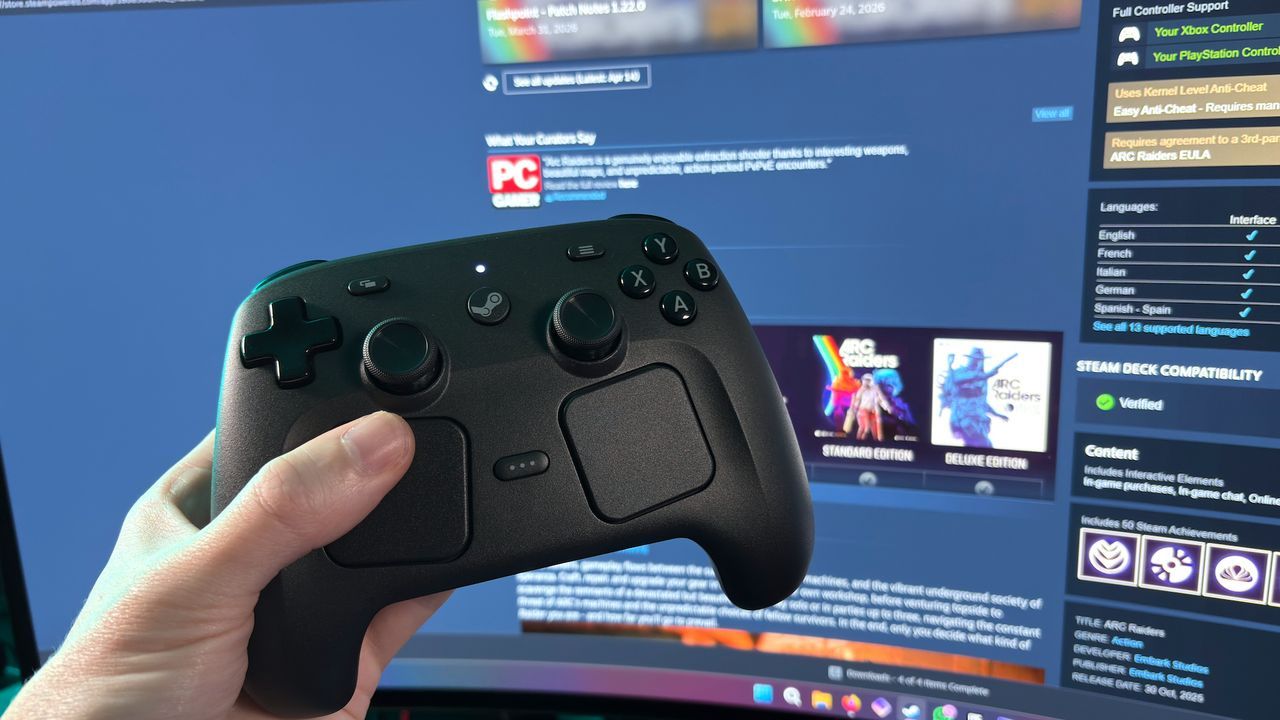
The world of DIY hardware hacking is a playground for the truly curious, and few projects capture this spirit quite like the relentless pursuit of pushing consumer electronics to their absolute limits. When Valve releases a new piece of hardware, the community immediately turns its attention to reverse engineering it, seeking to unlock hidden potential. This dynamic energy is perfectly exemplified by creator Owen Feldman, who has taken the seemingly simple Steam Controller and turned it into a miniature, self-contained computer.
Feldman’s ambition wasn’t just about tinkering; it was about achieving the impossible: running classic software on proprietary hardware. His project sought to bring the spirit of nostalgic text adventure games, like the legendary Zork, directly onto the controller’s internal processor. This endeavor, while deeply technical, quickly became a fascinating collision between high-end gaming peripherals and vintage computing.
The journey, however, was anything but smooth. The initial attempt to manipulate the controller’s firmware proved to be a high-stakes operation. An internal tool discovered within a Steam hardware updater folder was the key to flashing the firmware, but the process carried a serious risk: the possibility of bricking the device entirely.
After a close call, Feldman had to navigate the recovery process, demonstrating the inherent danger in deep-level hardware modification. But the quest for computational freedom led to an even more creative solution. Instead of brute-forcing a full firmware rewrite, the team opted for a clever emulation strategy. They developed a custom Rust-based program designed to emulate an Intel 8080 CPU and run the venerable CP/M-80 operating system directly on the controller’s internal processor.
Since the device lacked a traditional screen or keyboard, the ingenious approach involved using the built-in USB connection for I/O streaming, effectively turning the controller into a dedicated, albeit very niche, input/output device. To load the game, a simple floppy disk copy of Zork was utilized via an external drive, bringing the whole process full circle.
The result is a remarkable feat of digital alchemy. Feldman describes the process of creating the custom software as a marathon of experimentation, a process involving thousands of lines of code. Yet, the payoff is immense: a Steam Controller rig that functions as a fully operational, self-sufficient computer. It’s the PC hardware equivalent of a magic trick, proving that even seemingly closed systems can be coaxed into performing astonishing feats.
While the technical hurdle is overcome, Feldman remains grounded. He cautions that the experience of flashing hardware carries genuine risk, especially given the cost of the kit. Ultimately, the lesson isn’t just about flashing firmware; it’s about the boundless creativity found at the intersection of hardware, software, and sheer, unadulterated curiosity.
Buy on Amazon
Credit
