ZTE buys Nvidia H200 AI chips joining Alibaba and Tencent access
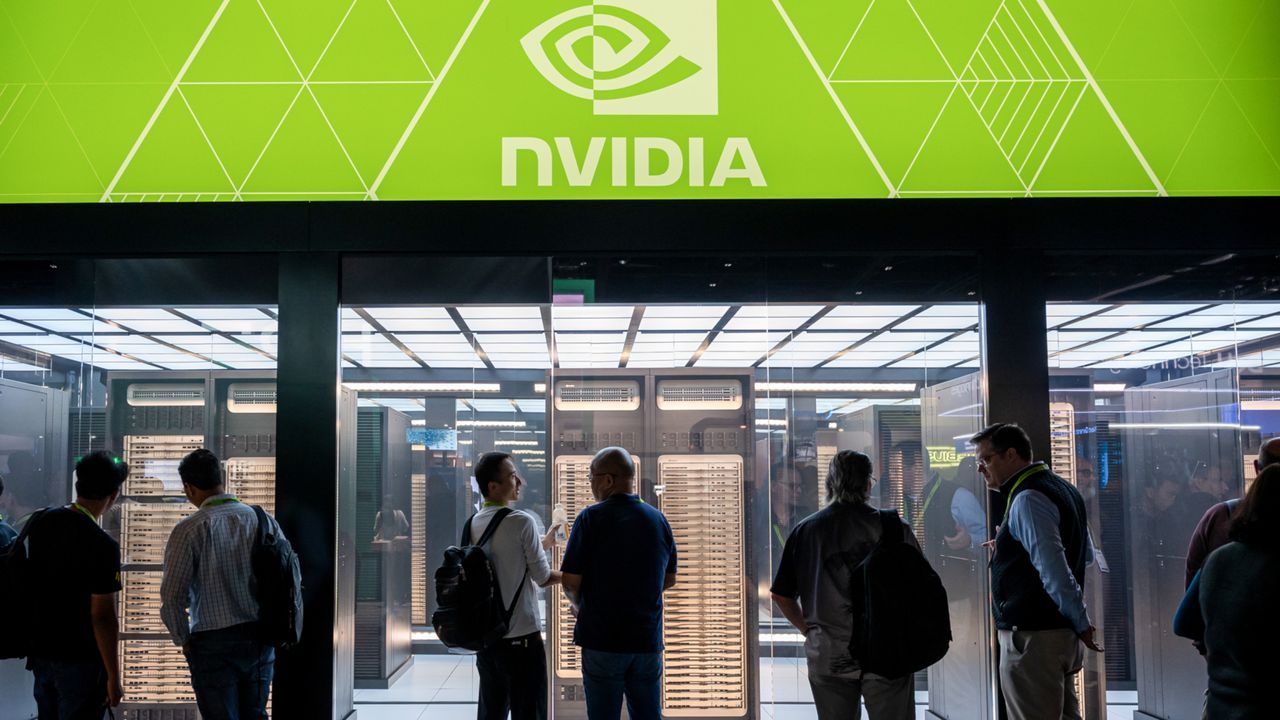
The global race for artificial intelligence is not just a battle of algorithms; it is a high-stakes geopolitical game played on the silicon front. The ongoing chip wars between the United States and China have morphed into a complex negotiation where access to cutting-edge technology dictates trade policy and technological dominance.
Despite the tensions, specific deals are being struck, demonstrating that flexibility exists within the regulatory framework. For instance, major Chinese entities have recently secured U.S. clearance to purchase advanced chips. This includes the telecommunications giant ZTE and server firm Maginfra, who received approval to acquire Nvidia’s last-generation H200 “Hopper” chips. Furthermore, a subsidiary of Kingsoft Cloud also gained authorization to purchase AMD accelerators equivalent to the high-performance Nvidia Instinct MI300X class chips.
This activity places these companies in an exclusive club, alongside giants like Alibaba, Tencent, ByteDance, and JD.com, highlighting how technology access is being leveraged as a tool for economic engagement.
On the other side of this dynamic, Beijing is pursuing a parallel strategy focused on self-sufficiency. Amidst global restrictions, Chinese authorities have adopted a protectionist stance, actively discouraging firms from purchasing foreign technology and channeling resources toward developing homegrown accelerators. Huawei, in particular, has capitalized on this push, making significant strides both technologically and financially by focusing on domestic AI hardware development.
Yet, even with these ambitious domestic production initiatives, the appetite for advanced AI silicon remains insatiable. Six months ago, reports indicated that Chinese technology firms had placed over two million orders for H200 chips—a staggering demand far outpacing immediate supply and suggesting that the hunger for this technology has barely subsided.
ZTE, as one of China’s largest telecommunication conglomerates, is deeply invested in the cloud computing and AI revolution, necessitating powerful accelerators to realize its global ambitions. This need drives their focus on securing access to the latest processing power.
The current situation in the AI chip trade is a careful balancing act. The U.S. policy allows Chinese firms to acquire AI chips up to the Hopper family, though this comes with a 25% export tariff and requires case-by-case approval. While Beijing plays its cards close to the table regarding import and export rules, other interested parties have navigated these waters through creative means, securing access to components like Blackwell chips through various channels.
Ultimately, whether these regulatory shifts will translate into massive shipments of H200 accelerators into Chinese data centers remains uncertain. As noted by a U.S. trade official during a recent congressional hearing, very few shipments against licenses for H200s and equivalents have occurred, suggesting that while the demand is enormous, the flow of chips remains tightly controlled.
Credit
