
Access full Windows desktop via GeForce NOW file swap
Cloud gaming has revolutionized how we consume entertainment, and Nvidia’s GeForce NOW service offers a tempting way to play demanding titles on the go without the hassle of owning expensive hardware. But what happens when you push that cloud experience beyond its intended boundaries? For some, the answer lies not in clicking buttons, but in exploiting the very architecture of the system.
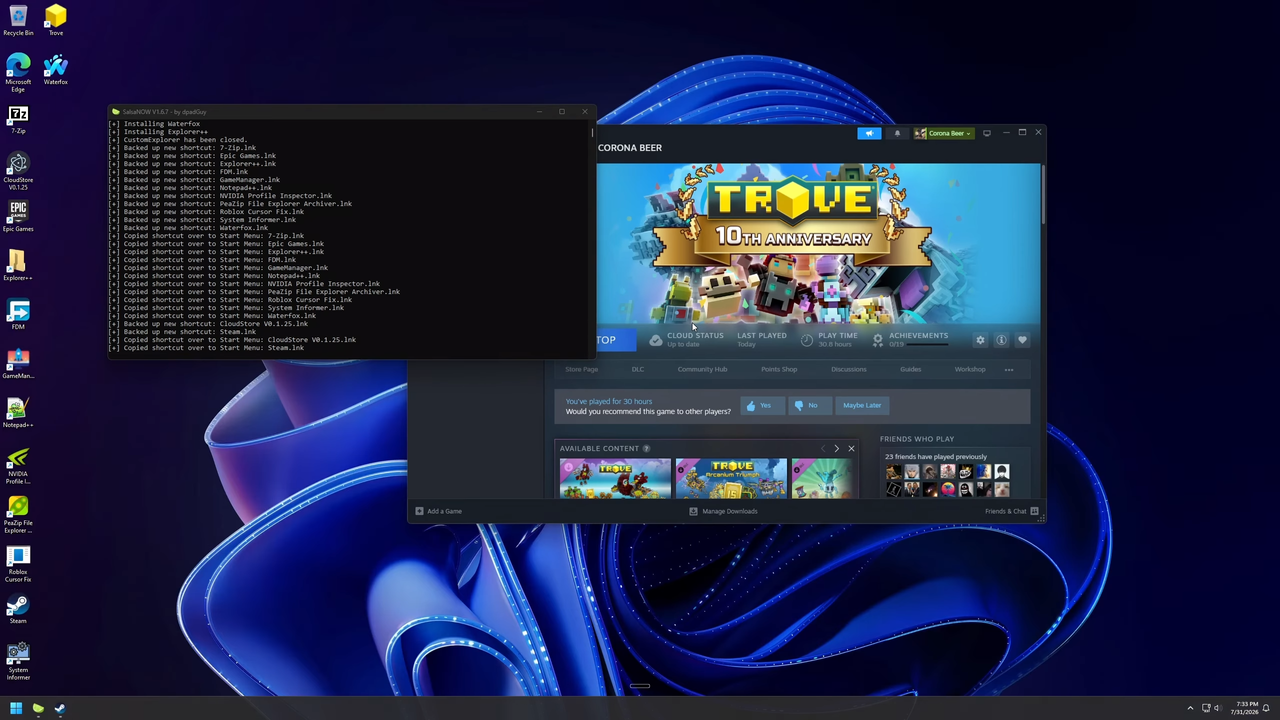
The pursuit of this boundary-pushing freedom recently led modder Zortos to achieve something quite ambitious: gaining full access to a Windows desktop environment inside GeForce NOW. This seemingly impossible feat opened up a unique opportunity—using the cloud not just for gaming, but as a platform to run powerful local applications, including complex AI models.
Of course, this path walks a fine line. GeForce NOW is designed strictly for gaming; it is not advertised as an all-purpose streaming service like Shadow PC. Operating outside these guidelines puts users in a precarious position, risking account sanctions if they stray too far from the terms of service. Yet, there is an undeniable ethical argument: if you are paying for rented hardware, exploring its full potential is within your own moral latitude.
The technical journey began with an I2P game downloaded from Steam. The method involved a clever manipulation of the application environment. By interacting with certain files and directories, Zortos was able to hijack the system’s index. This process allowed for the replacement of the standard executable file with a modified version crafted by another modder, dpadGuy. This modification served as a decoy, tricking Steam into thinking it was launching the game while, in reality, it was initiating a full desktop session.
Once inside, the user found themselves in a unrestricted Windows environment. This granted access to powerful resources, particularly when utilizing higher-tier subscriptions. The Ultimate tier provided significant advantages, including access to 48GB of VRAM via hardware like the RTX Pro 6000D, making it viable for running resource-intensive tasks such as local AI models.
While not without bumps—some users have reported that GeForce NOW sessions automatically close when File Explorer is opened, or that file downloads are blocked—Zortos insists the exploit remains functional. The persistent nature of the modification means access could theoretically remain active between sessions. This setup highlights a fascinating tension: while the technical means exist, the restrictions inherent in cloud services create significant hurdles for maximum performance.
This exploration demonstrates that the line between legitimate usage and creative hacking is often blurred by technological possibility. It showcases how users can push the limits of cloud computing, transforming a gaming service into an unconventional sandbox for advanced development and experimentation.
Buy on Amazon
Credit

